





Introduction: Mount Smith’s Hidden Past and Its Ancient Acropolis
Mount Smith (also known as Monte Smith) is one of Rhodes island’s most iconic viewpoints. Perched above the Old Town and the harbor, it not only offers spectacular panoramas but also hides a rich archaeological and military history that’s often overshadowed by the island’s better-known attractions. In this guide, we’ll dive into the layered memory of Mount Smith and its ancient acropolis, blending historical background, practical info, exact addresses, opening hours and local tips so you can visit like a well-informed traveler.
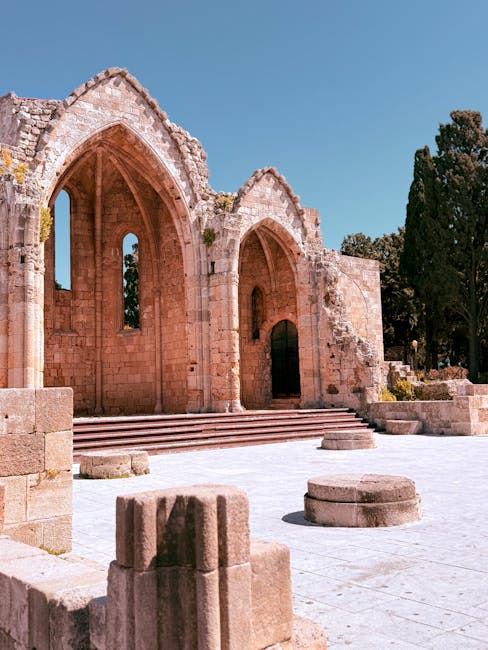
The site combines ancient remains, medieval ruins and traces of more recent occupation: a Hellenistic acropolis built on Byzantine walls, Roman structures, Ottoman monuments and fortifications from the Knights Hospitaller. If you picture a place frozen in time, wait until you walk it at sunrise or sunset, when the light reveals layers and textures that history books alone can’t convey. The park surrounding the acropolis, commonly called the Monte Smith Public Garden, is itself an invitation to stroll among pines, statues and interpretive panels along the paths.
This article includes concrete practical information: exact addresses such as “Archaeological Site of the Acropolis of Rhodes, Monte Smith, Rhodes 85100, Greece”, up-to-date opening hours and prices in euros, plus route tips (where to park, which hours to avoid, best photographic angles). We’ll also add local recommendations: which café to grab a coffee at before the climb, when to book a guided tour, and how to combine the acropolis visit with nearby sites (like the Ancient Stadium of Rhodes and the Archaeological Museum of Rhodes).
This guide is designed for curious travelers, amateur archaeology fans, photographers and families who want more than just a view. Practical details are given explicitly (prices in euros, exact addresses, summer/winter hours), and immersive descriptions will help you place each ruin in time and landscape. Get ready to discover not just stones, but the stories and uses that made Mount Smith a place of memory and observation across the ages.
 Click here to book a guided Old Town tour

1) Historical panorama: from the ancient acropolis to the medieval fortifications
The historic heart of Mount Smith is the ancient acropolis, founded in the Hellenistic period and later reworked during Roman times. The Archaeological Site of the Acropolis of Rhodes, Monte Smith, Rhodes 85100, Greece gathers remains of temples, public buildings and a theatre. The acropolis once offered a strategic view over the Aegean Sea, allowing citizens to monitor sea approaches and host civic cults. The preserved foundations help imagine how the buildings occupied the headland.
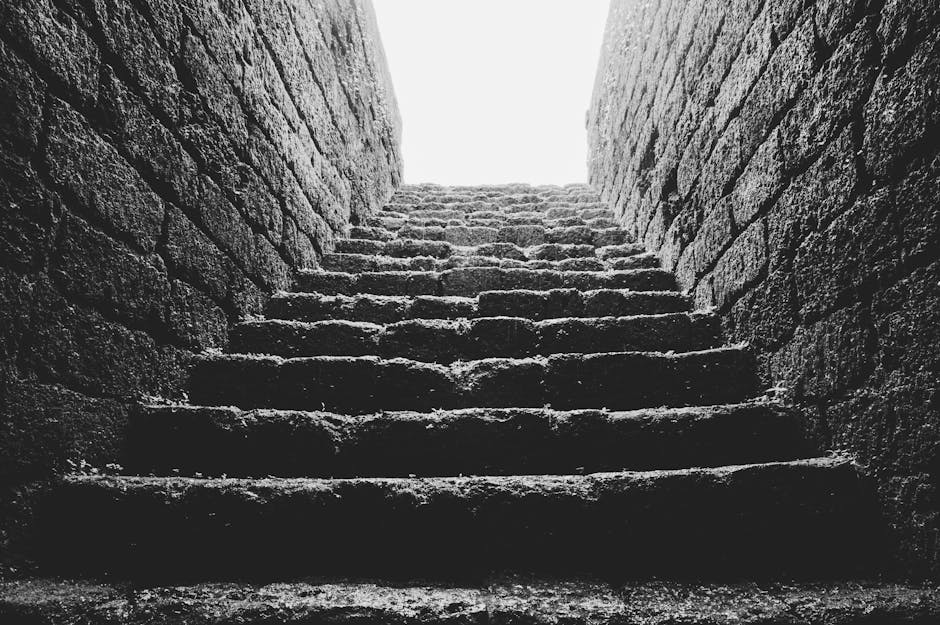
During Late Antiquity and the Middle Ages, the area was successively folded into Byzantine defensive systems and the fortifications built by the Order of the Knights of Saint John. You can still spot stretches of walls and towers that testify to repeated remodeling. The site is a classic archaeological palimpsest: each stone can be assigned to a different era depending on its size, construction technique or mortar. The promontory also served as an observation post during the Ottoman period and, more recently, in the 19th and 20th centuries when the Rhodes peninsula was a key point for military communications.
Access and practical info for this section: entry to the public park is free, but guided access to the archaeological area may require a fee. Address: Archaeological Site of the Acropolis of Rhodes, Monte Smith, Rhodes 85100, Greece. Opening hours (seasonal estimate): May to September: 08:00–20:00, October to April: 08:00–17:00. Archaeological site admission (indicative 2024 rate): €8.00 full price, €4.00 reduced (EU students, seniors); Kombi card (combined entry with the Archaeological Museum): €10.00. Hours may vary; check with the Hellenic Ministry of Culture or the local ticket office.
Click here to book a guided Old Town tour
2) Detailed visiting route: itinerary, highlights and close-up descriptions
For a full visit to Mount Smith and its acropolis, allow between 1.5 and 3 hours depending on your pace and whether you stop for photos or a moment of reflection. The route usually starts at the park’s main car park on Avenue Charilaou Trikoupi, Rhodes 85100, Greece. You can also walk up from the Old Town in 20–30 minutes via a steep path. Here’s a recommended itinerary:
- Starting point: Monte Smith car park, Avenue Charilaou Trikoupi, Rhodes 85100, Greece. Paid parking varies by season (around €2–5 per hour).
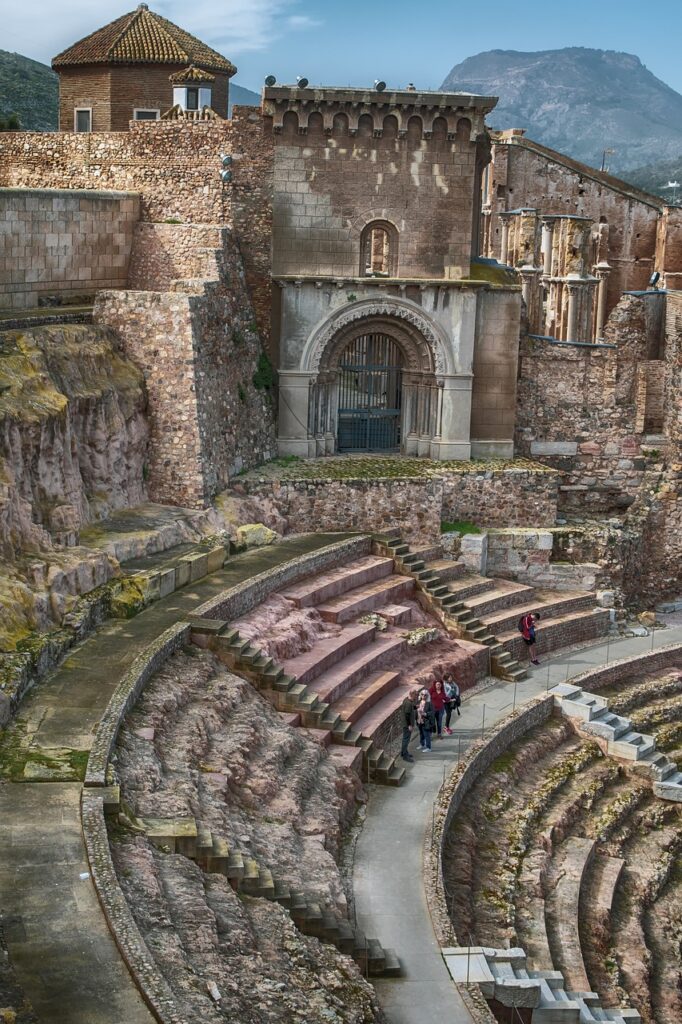
- First stop: The main headland and the ancient theatre — take in the info panels and imagine ancient performances. The theatre preserves partially restored seating and stone benches.
- Second stop: Remains of the temple and sanctuaries — small columns and capitals’ bases mark the spots of sacred buildings.
- Third stop: Medieval walls and towers — note the differences in masonry between ancient stonework and medieval repairs.
- Fourth stop: The southwest viewpoint — perfect for photographing Mandraki Harbor and the surrounding cliffs at sunset.
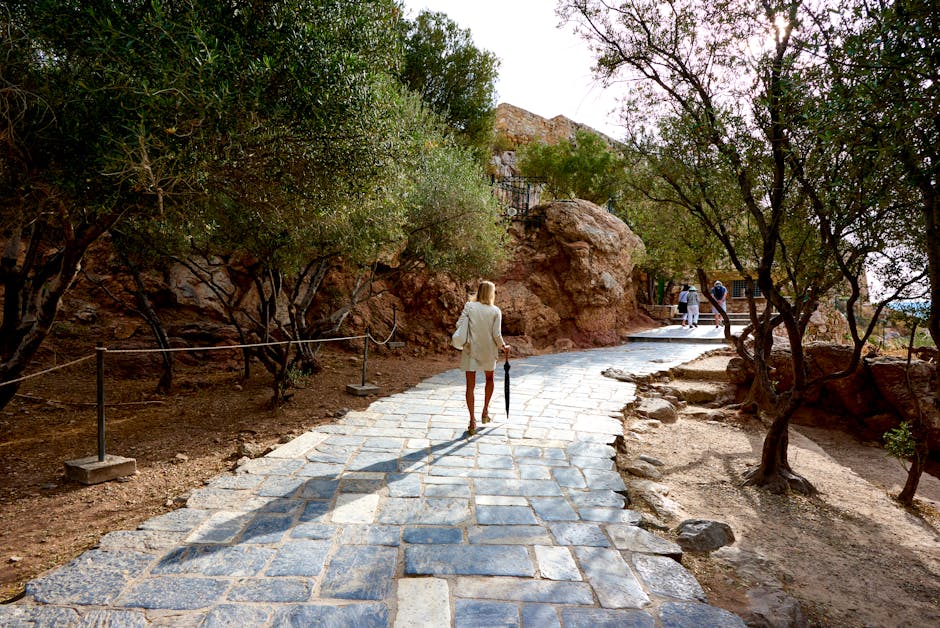
Immersive descriptions: as you approach the theatre you can almost feel the historical friction — the natural acoustics, the sun-warmed stone, the scent of pine. Broken columns scattered in the grass speak of ancient collapse, while the interpretive panels provide architectural context. The path is dotted with trees and olive bushes; on hot days look for shaded stretches between 12:00 and 16:00. Best light for photos is early morning (08:00–10:00) or late afternoon (18:00–20:00 in summer).
Click here to book a private photo session in the Old Town
3) Practical tips and local recommendations: transport, safety and guided tours
Getting to Mount Smith is easy: local taxis, public buses or a walk from the Old Town. Buses to Monte Smith run regularly from Eleftherias Square and the port. Bus fares: about €1.50–2.00 per trip (check current rates). Taxis in Rhodes are readily available; typical wait from the town center: 5–10 minutes, indicative fare €6–12 depending on the time.
Safety and comfort: wear comfortable closed shoes if you plan to climb on structures; some stones are unstable and slopes can be slippery after rain. Bring water (bottled water available at the park kiosk, around €1.50–2.50). Protect yourself from the sun: hat, sunscreen and sunglasses are essential in summer. If you’re visiting with children, keep them close — some ledges are unprotected.
Guided tours and experiences: for deeper insight, book a guided tour with a licensed guide. Local providers include Rhodes Heritage Tours (online booking recommended), indicative private guide prices: €60–120 for 1–2 people; shared group tours from €20 per person. Guides can combine Monte Smith with the Archaeological Museum of Rhodes (Address: Vassilissis Olgas 8, Rhodes 85100, Greece; museum entry fee: about €6.00).
- Local tip: Arrive 45 minutes before sunset to avoid crowds and capture the best light.
- Best season: spring (April–May) and autumn (September–October) — pleasant temperatures and moderate crowds.
- Combinations: pair the visit with the nearby Ancient Stadium of Rhodes, the Archaeological Museum and a walk through the medieval Old Town.
Click here to book a private walking tour with a guide
Conclusion: preserving and rediscovering Mount Smith
Mount Smith and its ancient acropolis are far more than a viewpoint: they bear witness to millennia of history shaped by ancient cults, medieval battles, successive occupations and modern reinterpretations. When you visit, take the time to read the panels, act respectfully (do not climb on ruins or move stones), and support local organizations that contribute to conservation. The experience is complete when observation, historical understanding and sensory pleasure come together.
To recap essential practical info: the main address is Archaeological Site of the Acropolis of Rhodes, Monte Smith, Rhodes 85100, Greece, with free public park access and an indicative archaeological site fee of €8.00 (reductions possible). Approximate opening hours: 08:00–20:00 in summer, 08:00–17:00 in low season. Parking and buses are available from central Rhodes. For a deeper dive, consider visiting the Archaeological Museum of Rhodes (Vassilissis Olgas 8) and booking a guided tour to understand the successive interventions that shaped the headland.
Finally, leave room for wonder: look out to sea, listen to the sounds of the park, imagine ancient ceremonies and medieval sentinels. Whether you’re an archaeology buff or a traveler after a memorable panorama, Mount Smith offers a rich, layered experience — as long as you approach it with respect and curiosity. Safe travels and enjoy discovering this hidden acropolis at the heart of Rhodes.