





Introduction — From the Shine of Bronze to the Shapes of Ceramics: Why Rhodes Captivates
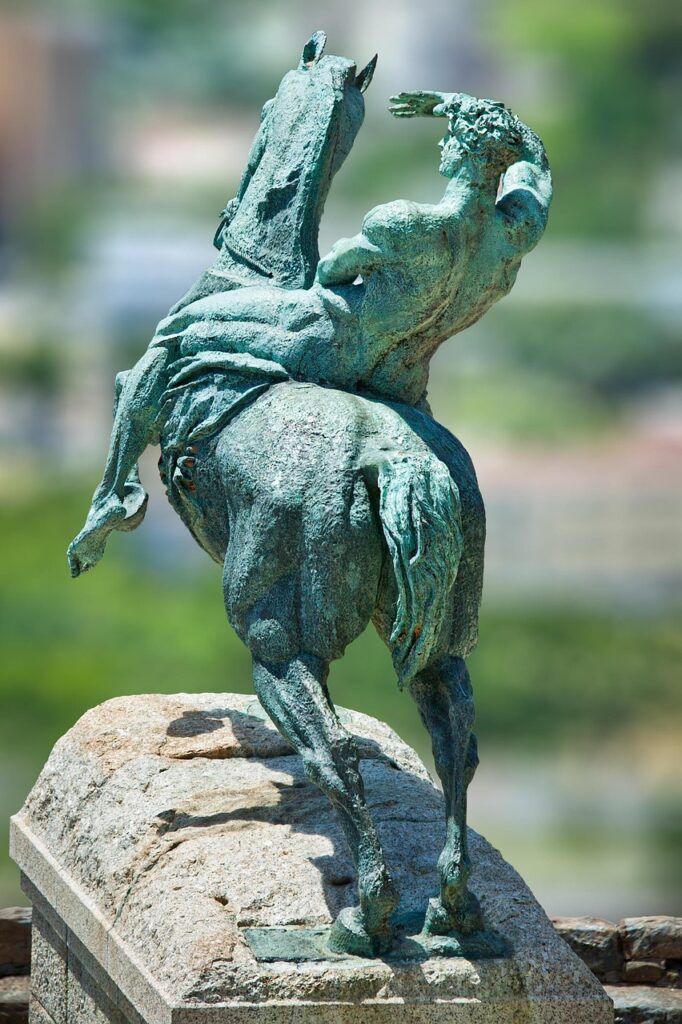
An island at the crossroads of East and West, Rhodes offers a material history that’s as rich as it is varied: ancient bronzes unearthed in digs, Byzantine mosaics, popular pottery, and contemporary studios. In this guide we highlight the unmissable pieces to see on Rhodes, covering not only the museums and archaeological sites that display remarkable bronzes, but also the workshops and shops where local ceramics keep evolving. Whether you’re an archaeology buff, a curious collector, an interior designer, or a traveler hunting for authentic objects, the island maps a complete journey from metal to fire — from cast bronze to glazed earthenware.
We’ll start with the places to admire historical pieces — museums and archaeological sites — giving addresses, opening hours and prices so you can plan your visits. Then we’ll head into town and out to the villages (Lindos, Kallithea, Filerimos) to discover studios, potters and specialist shops. Each section offers immersive descriptions: how objects are displayed, which techniques you can observe, and practical tips for buying, bargaining, or photographing without disturbing.
Rhodes is easy to explore on foot, by bike or by car; always keep small change (€) for modest entrance fees and check closing days — some museums or workshops close one day a week or change their hours by season. We also provide exact addresses and prices in euros so your itinerary is ready to go. Finally, you’ll find local recommendations: best times to visit (sunny mornings for outdoor sites, late afternoons for workshops), nearby cafés, and tips for taking your purchases home safely (bubble wrap, certificates of authenticity when available).
Get ready to follow the thread of time: from sanctuary bronzes to painted plates and glazed jars from contemporary studios, Rhodes reveals the continuity of a craft that has reinvented itself. Every piece bears the mark of place and hand: here the strength of metal, there the sensuality of clay. Let’s begin with the major stops — museums and sites — before diving into the lively present of Rhodes’ ceramic workshops.
 Click here to join the seaside mosaic workshop
1) Essential Museums to See Bronze: Locations, Hours and Prices
Archaeological Museum of Rhodes — Hospital of the Knights (Hospital of the Knights), Ippoton Street, Rhodes 85100: one of the first stops for any bronze enthusiast. Exact address: Hospital of the Knights, Ippoton (Street of the Knights), Rhodes 85100. Opening hours: high season (April–October) 08:00–20:00, low season (November–March) 08:00–15:00. Admission: around €8 full price, €4 reduced (students/65+), free for under 6s. Description: housed in the medieval Hospital of the Knights building, the museum displays a collection of artifacts from the Geometric through the Roman periods; you’ll see small bronze statuettes, tools, and fibulae. Local tip: arrive at opening to avoid tour groups and photograph bronzes without reflections.
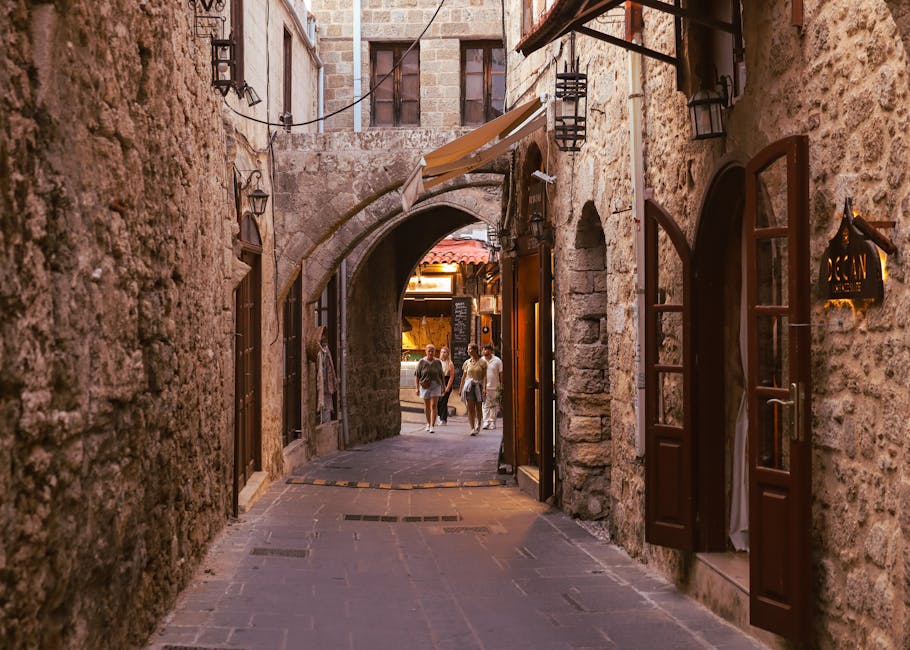
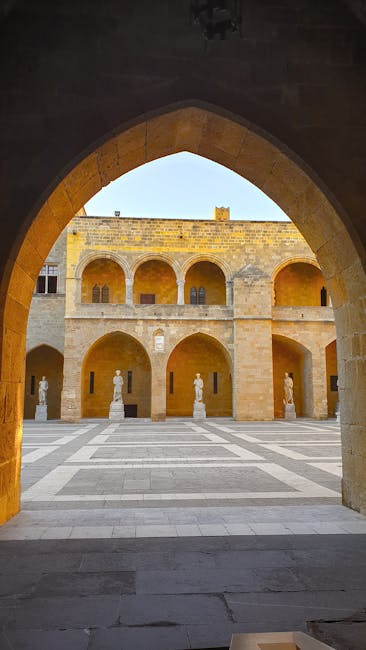
Palace of the Grand Master of the Knights of Rhodes (Palace of the Grand Master), Platia Ippokratous, Rhodes Old Town, 85100. Hours: 08:00–19:00 (seasonal), closed on some public holidays. Price: about €6–10 depending on temporary exhibitions. Description: this medieval Gothic building also contains relics and some metal objects linked to the history of the knights — a good stop to place Greek bronzes into a broader historical narrative. Tip: buy a combined ticket when available to save on entry to other Old Town museums.
Museum of the Ancient Agora (site & artifacts), Plateia Ippokratous, Rhodes 85100. Hours: 09:00–17:00 (check seasonality). Price: generally €4–8. Description: wandering the site you’ll find fragments of bronze from excavations, displayed with explanatory panels. Tip: bring a paper or digital guide to help place the pieces in their archaeological context.
2) Archaeological Sites and Villages: Where Bronze Was Found — Addresses, Hours, Prices
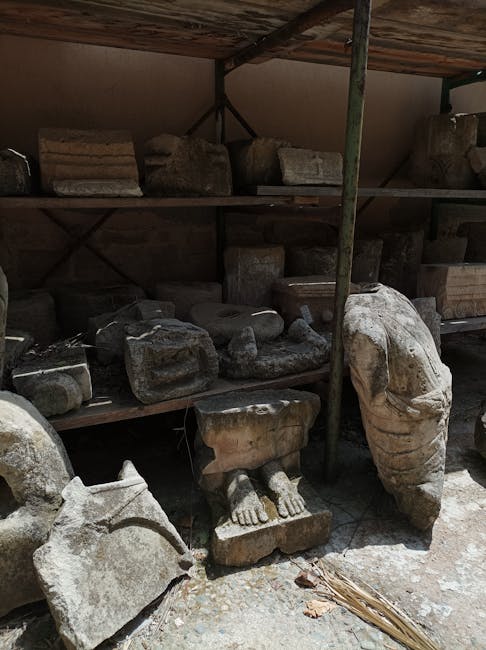
Acropolis of Lindos (Acropolis of Lindos), Lindos 85107. Address: Acropolis of Lindos, Lindos, Rhodes 85107. Hours: 08:00–19:00 in summer, reduced hours in winter. Price: around €12 full price, €6 reduced. Description: the climb up to the Acropolis reveals spectacular views over the bay and architectural remains; bronzes and metal objects from excavations are sometimes displayed locally or presented at the archaeological museum. Tip: head out early to avoid heat and crowds, and wear non-slip shoes for the limestone steps.
Valley of the Butterflies (Petaloudes), Valley of the Butterflies, Rhodes 85101. Address: Petaloudes Valley, Rhodes 85101. Hours: 09:00–18:00, seasonal. Price: about €3–5. Description: more than an archaeological site, this spot delights with its natural atmosphere; nearby you can find small digs and local objects, including glazed pottery inspired by traditional patterns. Tip: don’t miss the artisan shops at the entrance — they sell decorative ceramic reproductions made locally.
3) Ceramic Studios and Shops: Exact Addresses, Typical Prices, Hours and Buying Tips
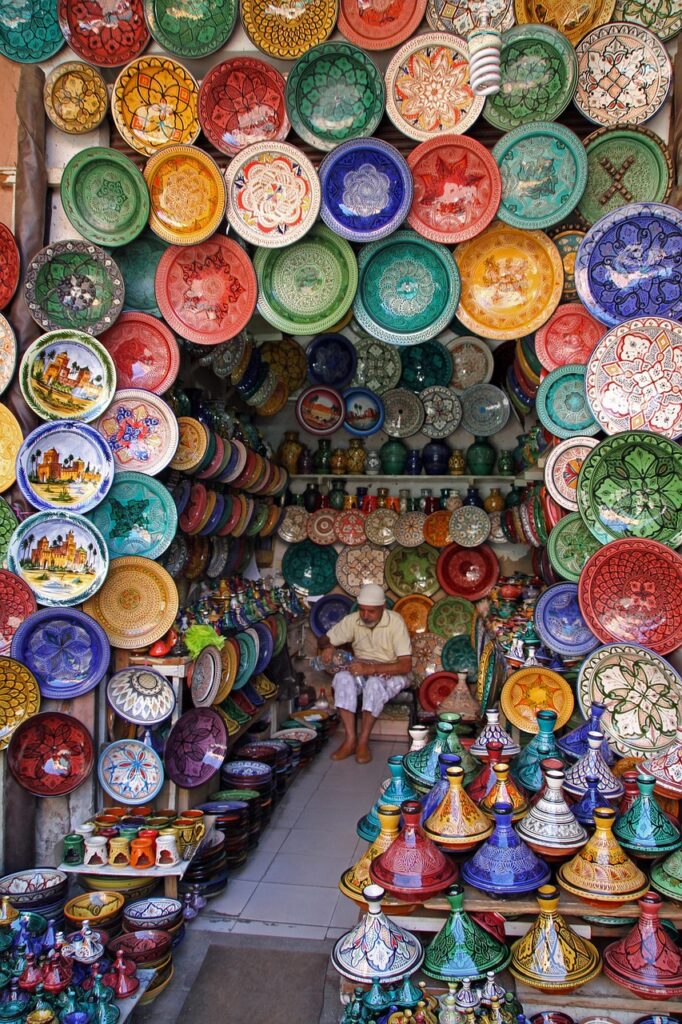
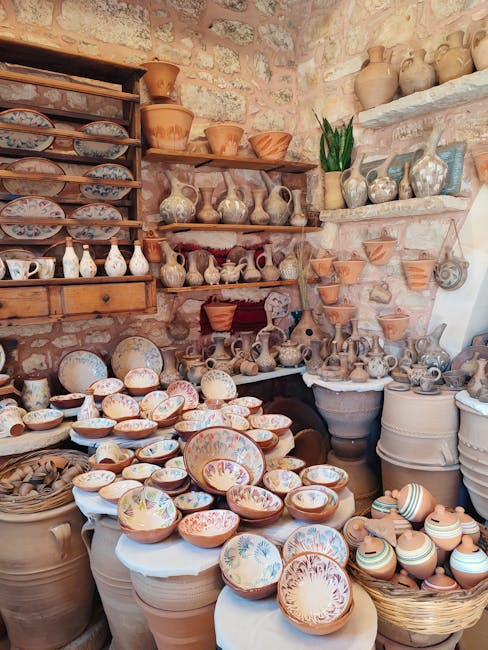
Rodos Ceramics Studio, Rhodes Old Town — Address: Eleftherias 14, Old Town, Rhodes 85100. Hours: 10:00–18:00 (closed Tuesdays). Products and prices: small decorative plates from €12, painted mugs €8–20, large amphorae or unique pieces €80–250 depending on size and finish. Description: a studio-shop where local artisans work clay using traditional and modern recipes; you can watch potters shape, glaze and fire. Tip: ask for the technical sheet (clay type, firing temperature) if you plan to pack the piece in your luggage.
Click here to paint your own ceramic mug in Rhodes
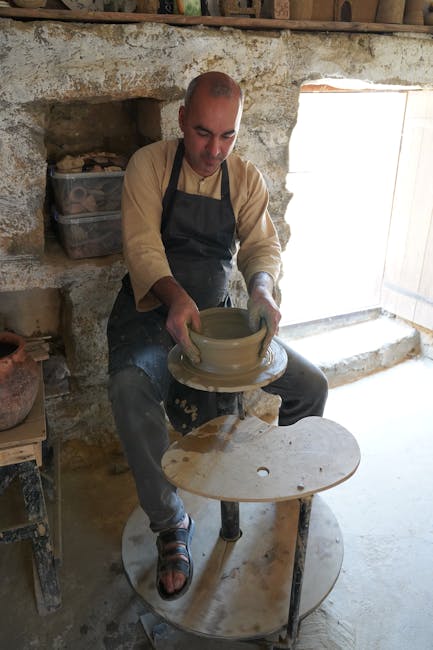
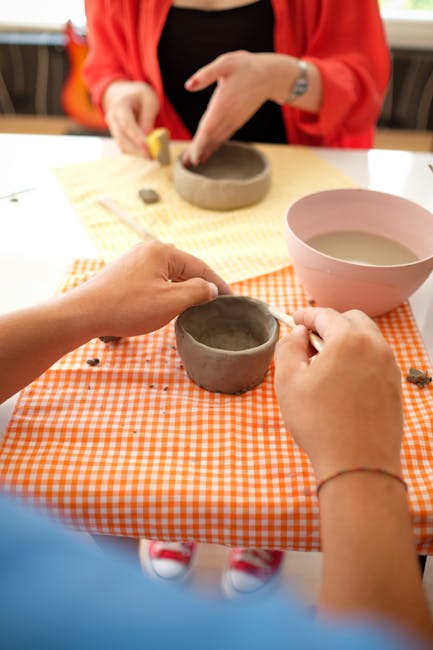
Lindos Pottery Workshop, Lindos village — Address: Vlahaki Street 22, Lindos 85107. Hours: 09:30–17:30. Products and prices: simple souvenirs €5–15, painted tiles €25–60, serving dishes €40–120. Description: a small family team producing pieces with Mediterranean motifs; introductory workshops available (typically €25–45 for a 1–2 hour session). Practical tip: if you join a workshop, book ahead in high season and specify if you want your pieces shipped (additional cost).
Keramos Gallery — Address: Mandraki Harbor, Mandraki 85100, Rhodes. Hours: 11:00–20:00. Products and prices: designer pieces €50–300, artworks €150–900. Description: a gallery-shop specializing in contemporary ceramics, showcasing Greek and international artists. Tip: ask for an authenticity label for high-value pieces and request professional packaging for transport.
Click here to attend a master pottery class
4) Expert Tips: Transport, Conservation and Haggling for Bronzes and Ceramics
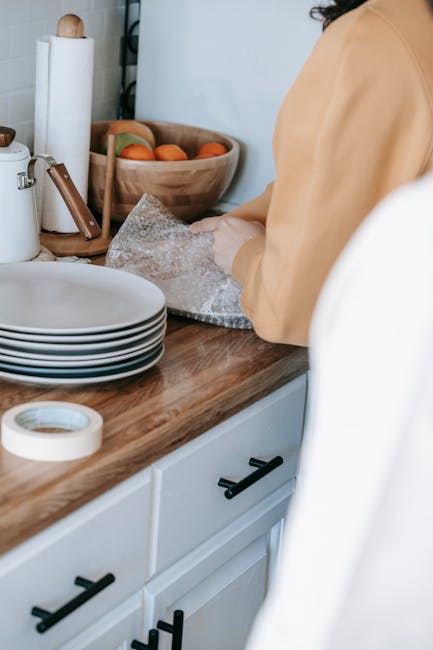
Transport and packing: for ceramic pieces, ask the studio or shop for bubble wrap and sturdy boxes; some shops offer insured international shipping (check rates and timing). For heavy bronzes or objects, consider a specialized transport service via your hotel or a local company (expect fees over €50 depending on distance and weight).
Conservation and paperwork: ancient bronzes must be handled with care — avoid humidity and prolonged skin contact. Always request a certificate of origin for antiquities (export of cultural goods is strictly regulated in Greece). If a seller cannot provide legal documentation, refrain from buying.
Bargaining: haggling is common for handcrafted items. Start by offering 10–20% below the asking price, especially out of season. For gallery pieces the room for negotiation is usually limited, but buying multiple items can often earn a discount. Local tip: carry small bills (€) to make transactions easier in small shops.
Conclusion — Between Preservation and Renewal: Bringing a Piece of Rhodes Home
Rhodes is a place where traces of the past mingle with contemporary craft: bronzes, witnesses to ancient offerings and daily life, converse with today’s ceramics, which borrow motifs and techniques to reinvent them. Visiting museums (Archaeological Museum of Rhodes, Palace of the Grand Master, sites like the Acropolis of Lindos) gives you historical context; exploring studios and shops (Rodos Ceramics Studio, Lindos Pottery Workshop, Keramos Gallery) lets you appreciate the continuity and creativity of today’s artisans.
Practically speaking, keep these simple rules in mind: check seasonal hours and prices (budget about €6–12 for main museums, €3–12 for local archaeological sites), favor purchases from recognized workshops to ensure quality and transport options, and always request certificates and professional packing for fragile or valuable objects. Locals are proud of their material heritage; a polite, curious exchange will often open doors to behind-the-scenes insights and technical explanations — how to recognize a specific glaze, why a particular clay is used, or which patina signals a restoration.
Finally, leaving Rhodes with a piece (a plate, a small amphora, or a reproduced statuette) is like taking a tangible story with you: of metal melted and shaped, of clay kneaded and fired. Whether you bring back a decorative keepsake or a more substantial piece, take the time to learn its origin and how it was made: that way you’ll not only keep a beautiful object, but also the memory of an island craft passed down through generations.