





Introduction — Museum walk and archaeological route through Rhodes Old Town
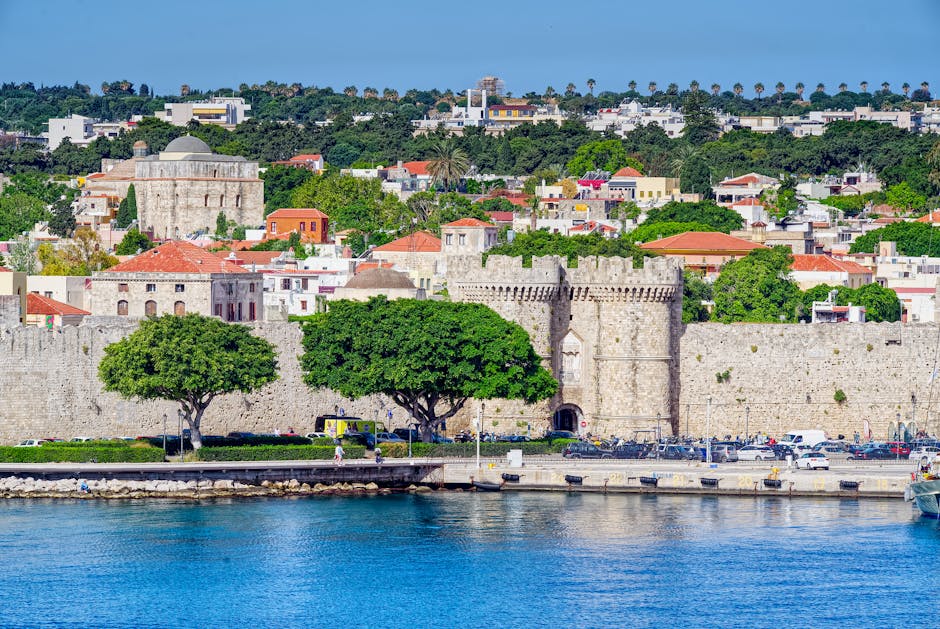
Rhodes Old Town is one of Europe’s best-preserved medieval complexes: a maze of cobbled lanes where ancient, Byzantine, medieval and Ottoman layers overlap. A museum walk here isn’t just a string of sites to tick off; it’s a full sensory immersion: sun-warmed stone walls, carved arches, inner courtyards echoing with footsteps, display cases holding millennia-old ceramics and weathered mosaics. This guide lays out a detailed, practical archaeological route for curious travelers who want to understand Rhodes’s long, layered history while enjoying useful on-the-ground tips (exact addresses, opening hours, prices in euros and local advice).
We start right in the heart of the Old Town at the building that houses the Archaeological Museum of Rhodes (housed in the Knights’ Hospital), then move on to key spots like Ippoton (Street of the Knights), the Square of the Palace of the Grand Master and a few peripheral archaeological sites that add context — such as the Acropolis of Rhodes (Monte Smith) and the ancient city of Kamiros (a half-day excursion). Each stop includes an evocative description of the collections and remains on display, the exact address to help with geolocation, ticket prices in euros (full and reduced where available), seasonal opening windows and practical tips (best times to visit, how to skip queues, nearby cafés, recommended footwear).
This route is modular: it can be done as a focused half-day stroll or stretched into a relaxed full-day outing with food breaks. Local tips will help you get the most from every visit — for example avoiding the hottest hours in summer, checking for closures (some museums close Mondays off-season) and opting for combined tickets where offered to save money. Suggested images embedded in the text (marked where indicated) will help you picture the sites and plan your shots.
Main route: from the Archaeological Museum of Rhodes to the Street of the Knights
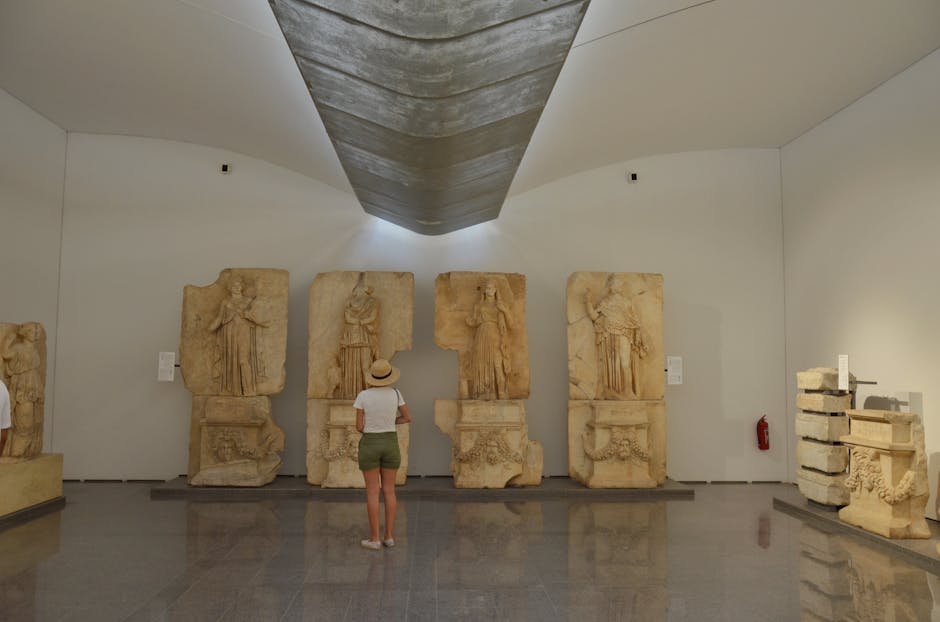
Recommended starting point: Archaeological Museum of Rhodes — located in the former Hospital of the Knights, a striking Gothic building. Address: Archaeological Museum of Rhodes, Hospital of the Knights, Odos Ippoton 2, 85100 Rhodes, Greece. Price: €6.00 (full), €3.00 (reduced for EU students and seniors). Seasonal hours: April–October 08:00–20:00, November–March 08:00–16:00 (check the official site before you go). The collection includes Hellenistic sculptures, inscriptions, mosaics and island finds: marble funerary stelae, Roman-era bas-reliefs and votive objects from local sanctuaries.
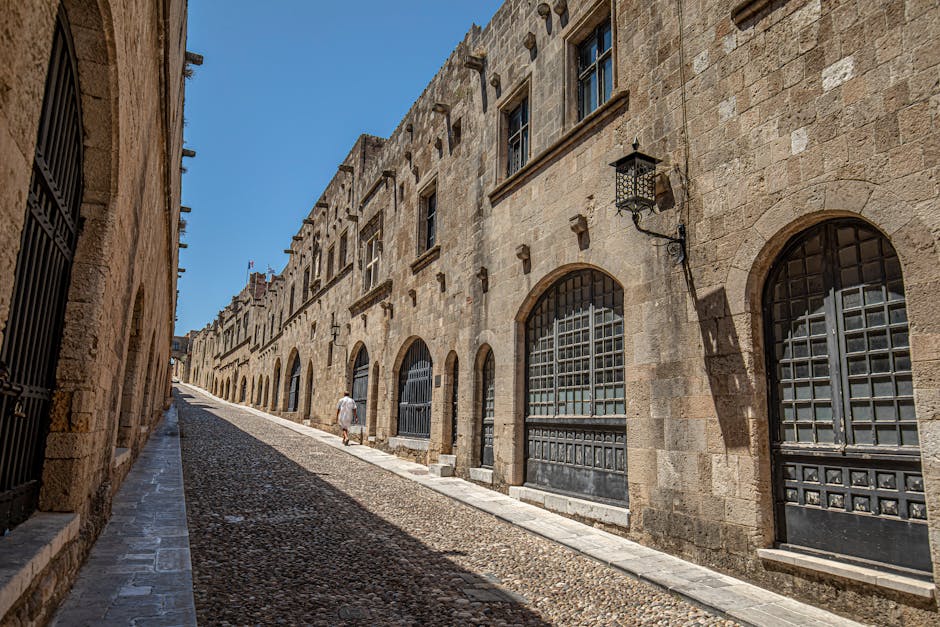
When you leave the museum, head onto Ippoton (Street of the Knights), one of the island’s most photogenic lanes, lined with medieval inns and knights’ houses bearing coats of arms. There’s no admission fee — the street itself is an open-air museum where every façade tells a chapter of the Knights’ military and hospitaller history. Halfway down, look out for small plaques indicating the original “languages” (orders) of the knights — clues to which buildings belonged to groups like the Auvergnats, the French, and others.
Practical tips for this section: wear sturdy, closed shoes (the paving is uneven), carry water in summer, and budget 60–90 minutes for the museum plus 30–45 minutes to stroll Ippoton with photo stops. Take a break at the cafés around the Palace Square for a strong Greek coffee. Visitors wanting more can request audio guides at the museum or download the multilingual brochures available on site.
Museums and highlights: what to see in detail
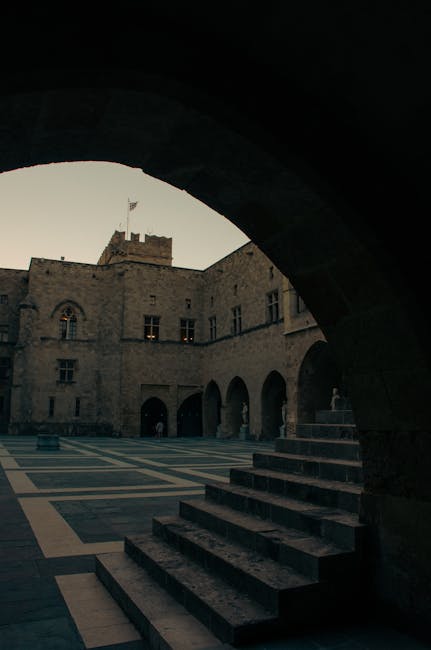
After Ippoton, make your way to the Square of the Palace of the Grand Master, home to the Palace of the Grand Master of the Knights of Rhodes. Address: Palace of the Grand Master, Platia Ippodamou, 85100 Rhodes, Greece. Price: €10.00 (full), €5.00 (reduced). Opening hours: April–October 08:00–19:00, November–March 08:00–15:00. The palace, rebuilt after 20th-century damage, houses displays on Rhodes’ medieval era, with vaulted rooms, tapestries and silverware. The feel is dramatic: shadowed corridors, broad stone staircases and views over the walls that invite quiet reflection.
Just a few minutes’ walk away is the Kahal Shalom Synagogue, one of the oldest synagogues still standing in Greece. Address: Kahal Shalom Synagogue, Sokrates Street (Sokratous) 1, 85100 Rhodes, Greece. Visiting hours are generally 09:00–13:00 and 17:00–19:00 depending on the day; entry is sometimes free but leaving a small donation is recommended (suggested €3–€5).
Don’t miss the small but rich Museum of Ancient Rhodes (sometimes presented as part of the Archaeological Museum or in other sections during temporary exhibitions), which shows finds from the excavations at Monte Smith and Kamiros: geometric pottery, gold jewelry and architectural fragments. For archaeology fans, seeing the museum collections alongside in-situ remains (walls, foundations, ruins) gives a full picture of the island’s material history.
Detailed hour-by-hour itinerary and nearby archaeological excursions
Suggested full-day itinerary (start 09:00): 09:00–10:30 Archaeological Museum of Rhodes (Hospital of the Knights, Odos Ippoton 2) — visit the main galleries, inscriptions and mosaics. 10:45–11:30 Street of the Knights — photos and spotting the knights’ ‘languages’. 11:45–12:45 Palace of the Grand Master (Platia Ippodamou) — interior visit and walk on the ramparts. Lunch break 13:00–14:00 on Ippokratous Square or at a local taverna (typical dishes: moussaka, dolmades; budget €10–18 per person).
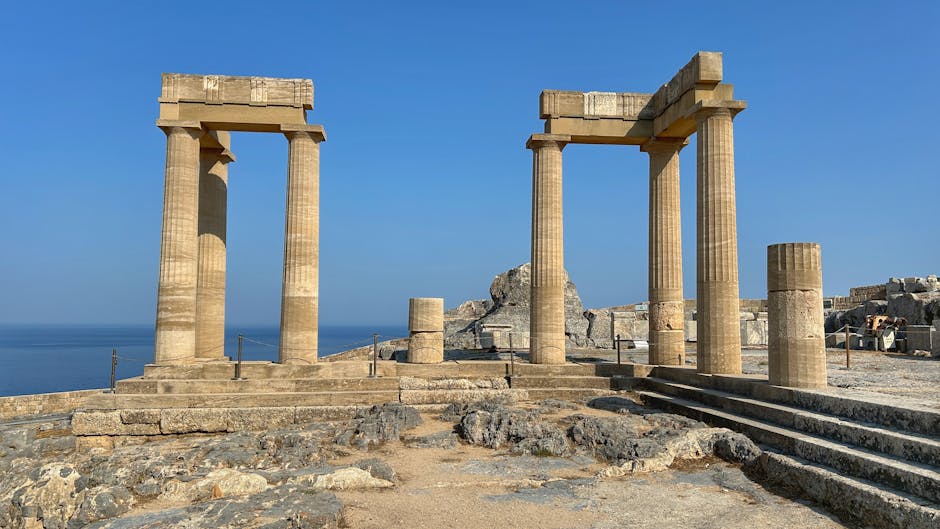
Afternoon: 14:30–16:00 Monte Smith (Acropolis of Rhodes, Monte Smith, 85100 Rhodes) — address: Monte Smith, Rhodes 85100. Entrance fee: €6.00. Hours: usually 08:00–19:00 in summer. The acropolis offers sweeping views over the bay and features the remains of an ancient theatre and temples. 16:30–18:30 Optional excursion: Ancient Kamiros (Archaeological Site of Kamiros, Kamiros 85105) — allow 30–45 minutes travel by car or bus. Entrance fee: €6.00. The largely open-air site reveals ancient streets, houses and irrigation systems — ideal for imagining daily life in the Hellenistic era.
Logistics tips: for Kamiros bring a hat and water — shade is scarce; check local bus schedules (KTEL Rhodes) or book a taxi to save time. In high season expect queues and aim to arrive at museums early. Consider combined tickets where offered (sometimes Archaeological Museum + Palace) to save a few euros and simplify entry.
Practical tips, recommended spots and local recommendations
Before you set off, a few local tips to make your archaeological walk richer and more enjoyable: check for museum closures (some close Mondays off-season), download offline maps of the Old Town (many lanes have poor mobile reception), and favor mornings or late afternoons for softer light and cooler temperatures.
Useful addresses and suggestions: for a traditional coffee after your visit try Café Elli (address: Leoforos Andrea Papandreou 14, 85100 Rhodes) — drinks €2.50–4.50. For a typical meal, the taverna To Marouli (address: Fabrika Square, Old Town, 85100 Rhodes) serves local dishes for €10–18 per person. If you want an English-speaking (or French-speaking) local guide for a narrated tour (recommended to deepen archaeological context), expect private guide rates of €60–120 for 2–3 hour tours.
Safety and heritage advice: don’t touch sculptures or mosaics on display, respect barriers at archaeological sites and avoid flash photography where prohibited. Ask staff about photo rules before photographing interiors — some museums allow photos without flash. Support the sites by buying a guidebook or a postcard at the museum shop: these small purchases help conservation efforts.
Conclusion — Why this museum walk matters
Rhodes Old Town offers a unique archaeological narrative: every stone, corridor and display case contributes to the island’s complex story. This museum walk — focused around the Archaeological Museum of Rhodes (Hospital of the Knights, Odos Ippoton 2, 85100 Rhodes), Ippoton Street, the Palace of the Grand Master (Platia Ippodamou, 85100 Rhodes), and rounded out with visits to Monte Smith and Ancient Kamiros — lets you read Rhodes’ history at multiple scales, from everyday objects to major public and religious structures. The addresses, hours and prices given (Archaeological Museum €6/€3, Palace €10/€5, Monte Smith €6, Kamiros €6) help you plan without financial surprises.
Beyond numbers and opening times, this walk puts you face-to-face with the materiality of history: mosaics worn by centuries of footsteps, inscriptions frozen in time, and rampart vistas looking out over the Aegean. Local tips — when to go, where to eat, how to avoid crowds — complete the experience and let you approach these monuments with the curiosity and respect they deserve. Remember that conservation also depends on visitors: follow the rules, support the museums and consider guided tours to help preserve Rhodes’ cultural heritage for future generations.
Happy archaeological travels in Rhodes: take your time, let the little details surprise you, and don’t hesitate to return — each visit reveals new fragments of a vast, fascinating history.