





Introduction — Ancient sculptures: a route through the Archaeological Museum of Rhodes
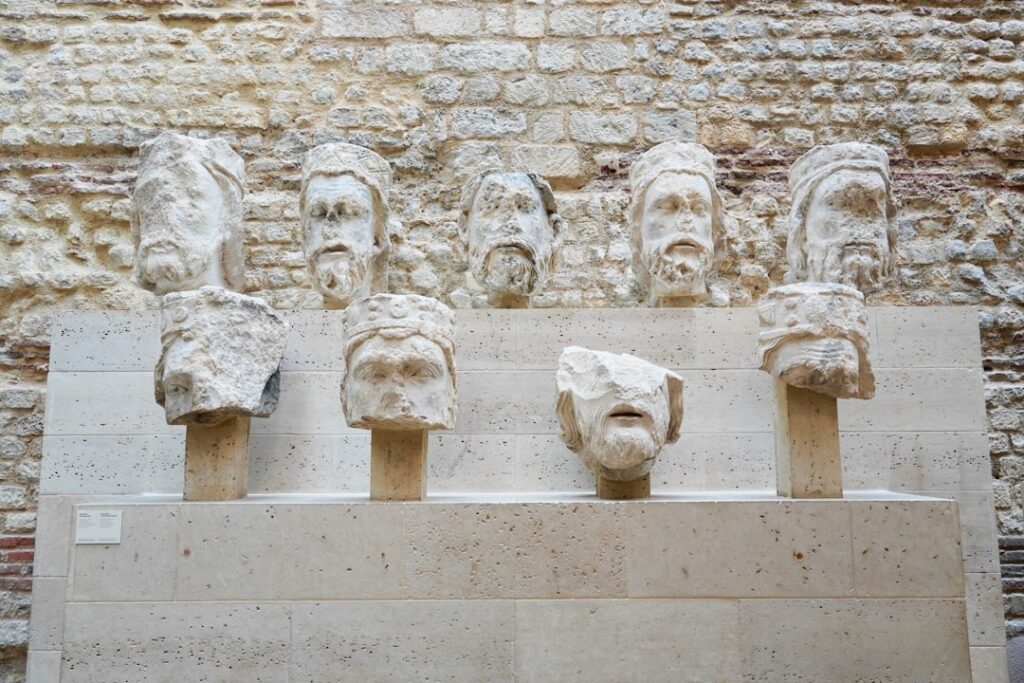
Rhodes, a crossroads island in the eastern Mediterranean, hides a treasure at the heart of its medieval Old Town that many beach-bound visitors miss: the Archaeological Museum of Rhodes. Housed in the impressive Hospital of the Knights building, this museum showcases a remarkable collection of ancient sculptures — from Hellenistic portraits to classical funerary reliefs, temple fragments and votive statues. For the curious traveler, a visit here is not just a catalogue of objects but a walk through the island’s multi-millenary history, where Greek, Roman and eastern influences collide.
This article lays out a detailed itinerary aimed at art and archaeology fans, so you can make the most of a visit to the Archaeological Museum of Rhodes. You’ll find essential practical info — exact addresses, opening hours, current prices in euros — alongside immersive descriptions of the highlights and local tips to save time: how to dodge the crowds, where to eat nearby, which pieces you must see and how to situate them in their historical context. The approach mixes sensory description (how a statue occupies the museum space), practical data (access, fees, audio guides) and technical tips (best times to photograph, conservation etiquette).
This route suits both the casual visitor and the seasoned enthusiast: it covers the major sculptures (colossal heads, reinterpreted kouros and kore figures, funerary reliefs) as well as lesser-known fragments whose careful reading reveals daily life in Rhodes 2,000 to 3,000 years ago. Following these suggestions you’ll learn to read stone, recognize stylistic periods (Archaic, Classical, Hellenistic) and understand iconographic subtleties — divine attributes, ritual gestures, legible inscriptions — that turn a statue into a living historical document.
Finally, a visit to the Archaeological Museum of Rhodes fits neatly into a wider itinerary: Monte Smith (Acropolis of Rhodes), the Street of the Knights, Ancient Kamiros and the Acropolis of Lindos are all sites you can combine with the museum visit to get a full picture of ancient art and urbanism on the island. Throughout this article you’ll find precise addresses and practical tips to plan a compact cultural day in Rhodes.
 Click here to visit Kameiros and Kallithea on a guided tour
Click here to visit Lindos and its Acropolis with a guide
Visiting the Archaeological Museum of Rhodes: overview, access and practical info
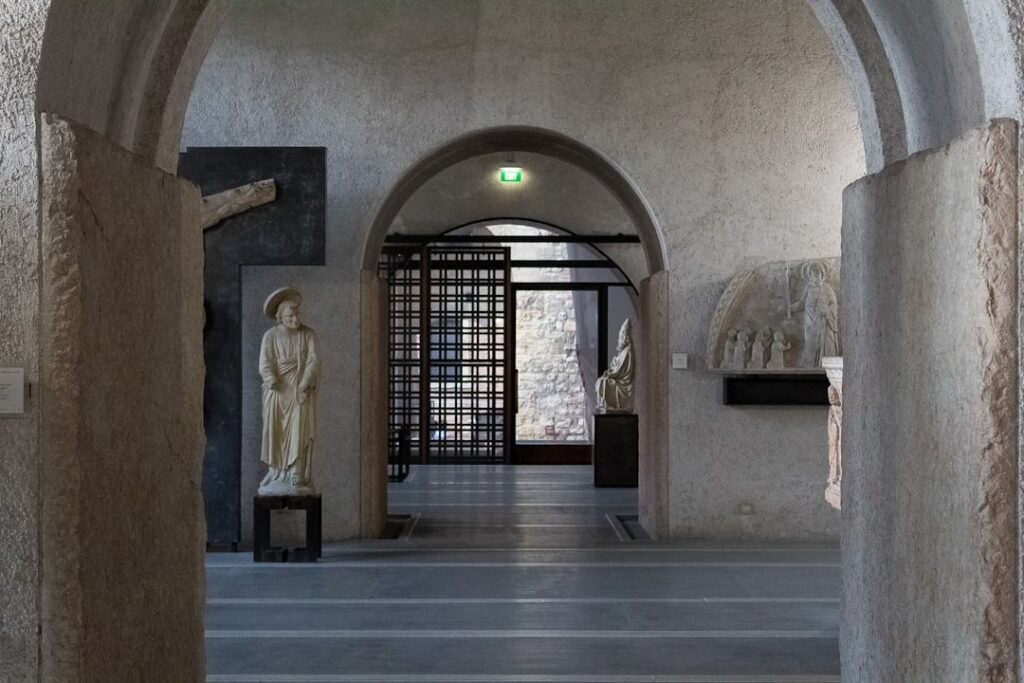
The Archaeological Museum of Rhodes is located within the Hospital of the Knights complex in Rhodes’ medieval Old Town. Address: Odos Ippoton 1, Medieval City, Rhodes 85100, Greece. The building itself, with vaulted rooms and a central courtyard, is integral to the museum experience — the medieval architecture provides a solemn frame for the ancient sculptures on display.
Opening hours (check before you go as times vary by season): typically 08:00–20:00 in high season (April to October) and 08:00–15:00 in low season (November to March). The museum may close for certain national holidays; confirm on the official site or with the Rhodes tourist office. Approximate admission fees: €6 for a standard ticket, €3 reduced for students and European seniors with ID; combined tickets with other Rhodes archaeological sites are sometimes offered for around €12–15.
Getting there: from Mandraki harbor, it’s a 10–15 minute walk through the Old Town. The nearest bus stop is Medieval City (Old Town); taxis usually drop off along the Street of the Knights. If you arrive by car, parking inside the Old Town is limited — use an outer lot like the Gate of Amboise public car park and walk in.
Facilities: the museum generally provides labels in Greek and English and sometimes a multilingual audio guide (additional cost ≈ €3–5). The shop sells specialized books, reproductions and postcards. Restrooms and water points are available on site. Accessibility: some rooms and corridors can be narrow or have steps; ask at reception about disabled access and available alternative routes.
- Crowd tip: arrive at opening (08:00) or late afternoon (around 17:00 outside peak season); cruise ship passengers and tour groups often arrive midday.
- Recommended visit length: 1.5–2 hours for a focused look at the sculptures and reading the labels.
- Tickets online: if offered, buy in advance to skip queues and secure entry during busy summer months.
Standout sculptures and their stories: must-see works
The museum houses several key pieces that trace Rhodes’ long history. Don’t miss:
- Colossal head of Helios (fragment) — While the famous Colossus of Rhodes is gone, the museum preserves fragments and monumental heads associated with the cult of Helios. The piece shows Hellenistic portrait treatment: uplifted gaze, stylized hair and a solemn expression. The weathering helps you imagine how such statues once faced the sea.
- Marble statue of Apollo or Hermes — Often late-Classical in style, these statues display balance and proportion: contrapposto stance, careful anatomy and visible tool marks. Surviving fragments like sandals or scepters help identify the deity.
- Reused Kore and Kouros — Use the chance to compare an Archaic kouros (nude youth, arms at sides) with a kore (clothed young woman) to understand stylistic shifts from the 6th to the 5th century BCE. Draped korai reveal mastery of folds and depth in depicting garments.
- Rhodian funerary reliefs — Stelae and reliefs depict daily scenes, funeral processions and bilingual inscriptions (Greek and sometimes Lycian). These works are essential for grasping the social fabric of Rhodian cities: family structures, trades and trading networks.
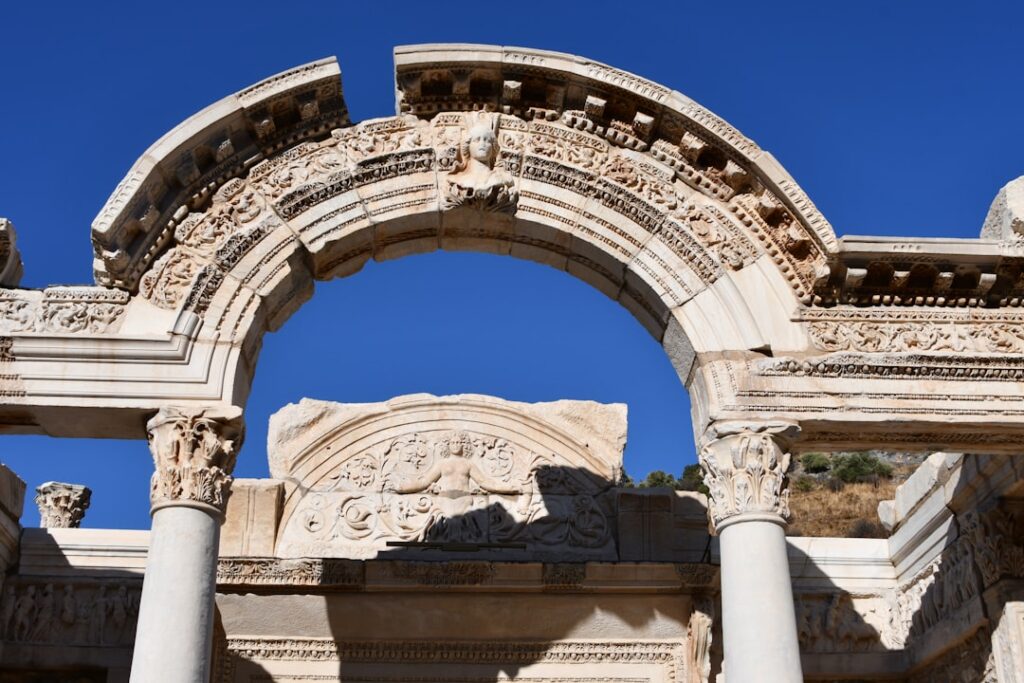
- Architectural fragments and Ionic capitals — Examining an Ionic or Corinthian capital reveals the decorative richness of Rhodian temples and local adaptations of Greek architectural orders.
Each label notes the presumed origin (excavation site: e.g. Ancient Kamiros, Ialysos, Lindos), dating (e.g. 5th century BCE; Hellenistic period 3rd–1st century BCE) and material (Pentelic marble, local limestone). Understanding these details places the sculptures within broad movements of ancient art: the rise of realism, the use of imported marble and the maritime trade that made Rhodes an artistic hub.
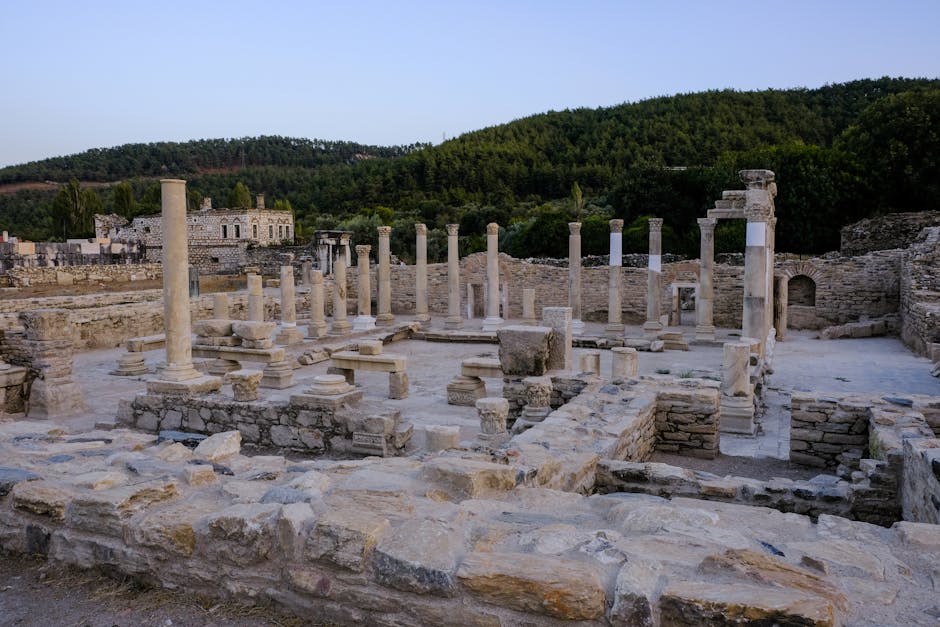
Recommended route inside the museum: a step-by-step guided walk
For an efficient visit, follow this chronological and thematic route designed to highlight sculptures by function and aesthetics:
- Entrance hall and orientation (10–15 minutes) — Start with the welcome panels: museum map, room plan and notes on conservation. Locate exits and the shop. Spend a moment in the central courtyard to put the building into context.
- Archaic section (20–30 minutes) — Head to the kouroi and korai. Take time to study the Archaic facial features (Archaic smile, frontal composition) and read the funerary inscriptions. This is a good moment to use an audio guide for stylistic analysis.
- Classical section (25–35 minutes) — Apollo, Hermes and classical reliefs show the move toward realism. Study drapery treatment and movement; compare the naturalism of limbs with the idealized body canon.
- Hellenistic and Roman section (30–40 minutes) — Expression becomes stronger here: more individualized faces, dynamic poses and sculpted group interactions. Look for remnants of polychromy (preserved pigments) and imagine these originally colored statues.
- Finish in the inscriptions room (15 minutes) — End with the epigraphic bases: laws, public decrees and votive inscriptions that explain the role of monuments and patrons.
Total recommended time: 1 hour 45 minutes to 2 hours 30 minutes depending on your pace. Take breaks in the courtyard to absorb what you’ve seen and appreciate the lighting that brings out the reliefs’ depth. If you’re with a local guide (bookable via the Rhodes tourist office), ask for a focus on religious symbolism and restoration techniques; experienced guides often share excavation anecdotes and topographical links between displayed pieces and their original sites (e.g. Lindos, Kamiros, Ialysos).
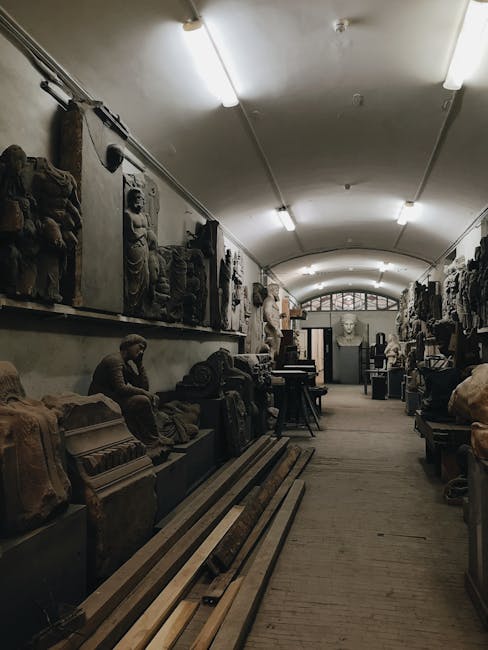
Local practical tips: transport, food, photography and respecting the works
Being prepared helps you get the most from your visit. Here are concrete local tips:
- Transport: From Rhodes bus station (KTEL), take the line heading to the Old Town (Medieval City). On foot from Mandraki harbor: walk along the waterfront then enter through the Sea Gate (Epta Piges path is an option); allow 10–20 minutes depending on where you start. If driving, park at the Gate of Amboise car park and continue on foot.
- Where to eat: After your visit, several tavernas and cafés in the Old Town serve local dishes. Recommendations: Taverna Socrates, Plateia Ippoton 3 (classic Greek plates, meze to share) or Cafe Meze 2, Odos Sokrates 5 for quicker options. Typical meal price: €12–20 per person excluding drinks. For a quick break, go for a frappé coffee or a fresh pomegranate juice in the pedestrian lanes.
- Photography: Greek museums generally allow photography without flash; check the signs at the entrance. Use a standard 35–50mm lens for isolated sculptures and a moderate wide angle (24–35mm) for rooms and ensembles. Respect barriers and no-go areas; small LED lamps can damage conservation if used improperly.
- Respect and conservation: never touch the sculptures — skin oils accelerate decay. Keep heavy bags away from display cases and don’t place items on pedestals. With children, explain the fragility of the works and turn the visit into a themed scavenger hunt (detail-based) to keep them engaged without contact.
- Shopping and souvenirs: the shop stocks English-language catalogues and limited reproductions. For higher-quality items, visit specialist bookshops in the Old Town; avoid uncertified “antique” jewelry at souvenir stalls.
- Safety and health: summers can be hot — bring a water bottle (you can refill at outdoor water points) and sun protection between stops. Pharmacies are marked with green signs and operate on a rota; keep digital copies of documents and tickets.
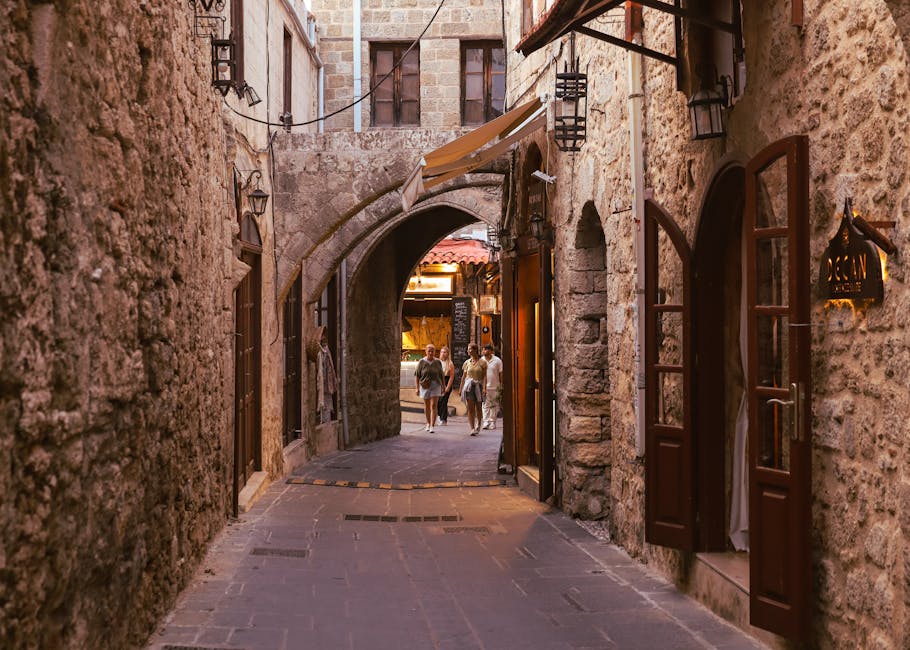
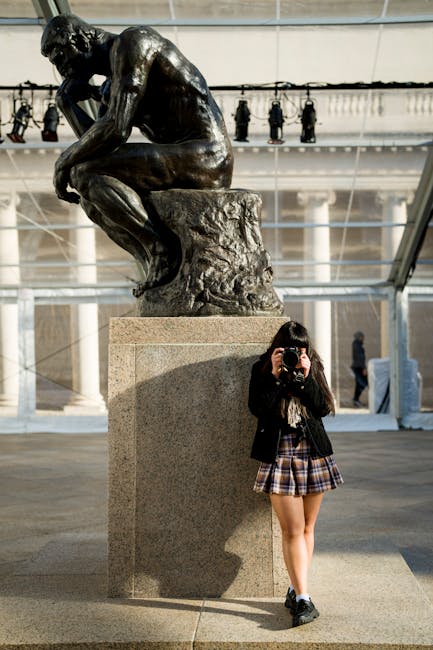
Conclusion — Why you should include the Archaeological Museum of Rhodes in your route
Visiting the Archaeological Museum of Rhodes is a leap back in time that sheds light on every stone of the island. The ancient sculptures, displayed within the solemn setting of the Hospital of the Knights (Hospital of the Knights, Odos Ippoton 1, Medieval City, Rhodes 85100), testify to intense cultural exchanges and a high level of artistic production that resonated across the Mediterranean. Spending 1.5–2.5 hours here — preferably in the morning or late afternoon to avoid groups — will give you a solid understanding of Archaic, Classical and Hellenistic styles, and of the religious and funerary uses of the works.
The practical info above — generally open 08:00–20:00 in high season, entry around €6 with reductions available — will help you plan. Pair the museum with other archaeological sites in Rhodes, such as the Acropolis of Lindos (Acropolis of Lindos, Lindos 85107), Ancient Kamiros (Kamiros, Rhodes) and Monte Smith (Acropolis of Rhodes, Monte Smith, Rhodes) to see the sculptures in their original context. Follow the photography, conservation and refreshment tips to turn a straightforward museum visit into a full cultural experience.
Whether you’re an art history buff, a curious traveler or with family, this itinerary will help you approach Rhodes’ ancient sculptures with method and sensitivity: recognize stylistic markers, understand inscriptions and, above all, feel the presence of stones that were looked at and venerated millennia ago. Don’t leave Rhodes without stepping through the gates of the Hospital of the Knights and taking the time to admire these silent witnesses of an island at the crossroads of civilizations.