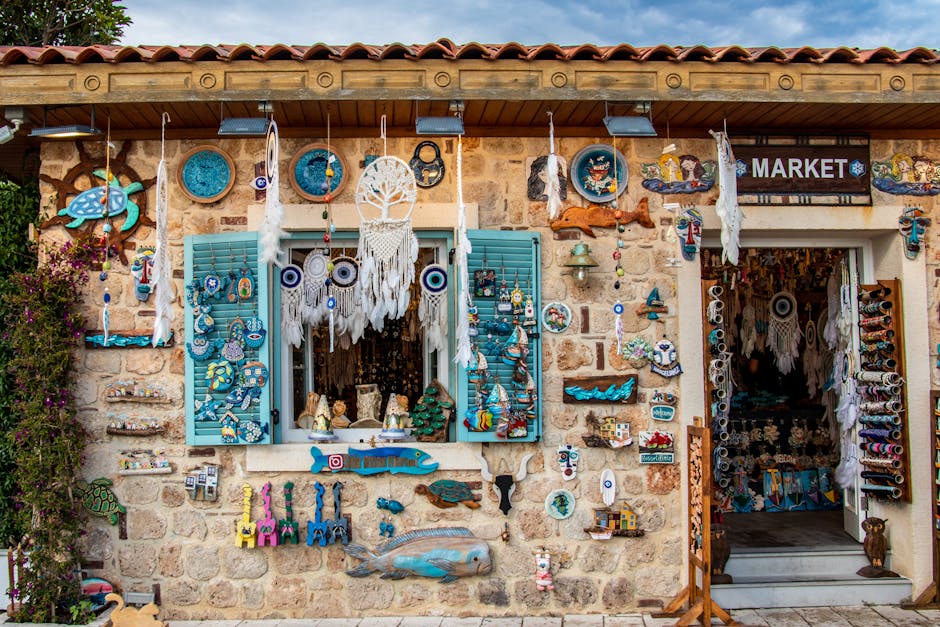






Introduction: Authentic Keepsakes and Rhodes Workshops — why choose local craftsmanship
Rhodes, a Dodecanese island bathed by the Aegean Sea, is far more than a beach destination: it’s a crossroads of history where Byzantine, Ottoman, Italian and Greek influences meet. In the cobbled lanes of the Medieval Old Town and on the sunlit markets along the east coast, local artisans keep age-old crafts alive — pottery, weaving, leatherwork, silver jewelry, olive oil production and natural cosmetics — each one telling a piece of the island’s soul. Bringing home an authentic souvenir is like taking a slice of that history with you: an object full of scent, texture and human stories. This guide is a practical, immersive resource to help you identify, choose and bring home the best souvenirs made in Rhodes by local hands.
More than a simple purchase, visiting a workshop is an experience: hearing the potter’s wheel squeak, touching a leather bag still warm from the craftsman’s hands, watching a cloth being dyed under a shaded terrace, or tasting cold-pressed olive oil straight from the producer. These moments feed the story you’ll carry home — and often the artisan will share tips on care, a family tale or the technique used. This guide helps you spot must-see places (with addresses and opening hours), understand typical prices in euros, and navigate the many options so you can shop thoughtfully and responsibly.
We’ll cover where to find artisans and workshops around Rhodes (Old Town, Mandraki, the New Port, Lindos), which kinds of souvenirs to favor based on your taste (ceramics, textiles, jewelry, olive oil, laurel soaps, faux coral items, wood engravings), detailed portraits of recommended workshops and shops, and practical tips for buying, packing and transporting your finds. The addresses, hours and price ranges listed are for guidance only, based on the most recent local information and common practices; seasonality (peak tourist season from May to September) can affect opening times.
Whether you’re hunting for a meaningful gift or simply want to bring back a piece of the Mediterranean, this guide will point you to truly Rhodian souvenirs — made by hands that know the island — and help you avoid mass-produced traps. Let’s take a sensory stroll through Rhodes’ workshops and shops, from the shaded alleys of the Old Town to the hills of Olympos and the coves of Lindos.
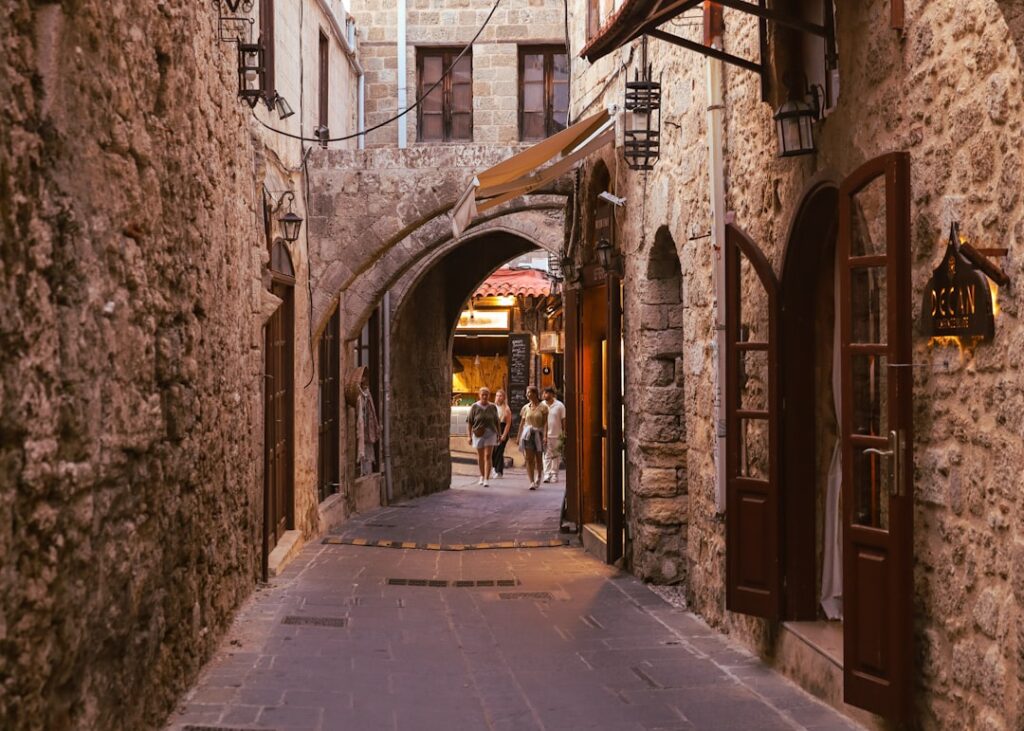
Where to find artisans and workshops: neighborhoods and not-to-miss addresses
The Medieval Old Town of Rhodes (Medieval City of Rhodes, Old Town, 85100 Rhodes) is the historic heart where many artisan workshops are concentrated. Strolling down Ippoton Street (Street of the Knights) and its surroundings will lead you to silver jewelry shops, mosaic studios and icon-restoration ateliers. Most streets in the Old Town are pedestrian-friendly and shops tend to open continuously; shops generally open between 10:00 and 13:30 then from 17:00 to 21:30 in low season, and may stay open later in July–August. Example iconic location: Medieval City of Rhodes, Street of the Knights (Ippoton), 85100 Rhodes — pedestrian area, free access.
Mandraki Harbour (Akti Miaouli, 85100 Rhodes), just north of the Old Town, is a lively spot with wood workshops, marine-themed souvenir makers and a few jewelers inspired by the sea. Address: Akti Miaouli, Mandraki Harbour, 85100 Rhodes. Port stalls and workshops are often open from 09:00 to 21:00 in high season, and 10:00 to 18:00 off-season.
Lindos (Lindos Village, 85007 Rhodes) is worth a visit for its weavers and traditional textile workshops. The narrow streets around the main square (Plateia) host studios selling hand-embroidered tablecloths, shawls and handmade sandals. General address: Lindos, 85007 Rhodes (village center, near the Acropolis of Lindos). Artisans often work early morning and late afternoon to avoid the heat; shops typically open from 09:00 to 20:00.
The island’s rural areas — villages like Koskinou (village of Koskinou, 85100 Rhodes) and Archangelos (Archangelos, 85100 Rhodes) — host clay workshops and olive oil producers. A stop at a local agricultural cooperative often allows you to taste the oil and buy bottles directly from the producer: pricing and quantities are usually displayed on site. Example: Cooperative Olive Oil Mill, Archangelos, 85100 Rhodes — typically open 08:00 to 15:00 on weekdays during harvest season.
Finally, for visitors interested in contemporary workshops, the modern area near Rhodes’ port (New Port Area, Akti Kountourioti) houses small galleries and artist studios blending tradition with modern design. Indicative address: Akti Kountourioti, 85100 Rhodes. Hours vary, often 11:00–19:00.
 Click here to discover Rhodes with olive oil and wine tasting
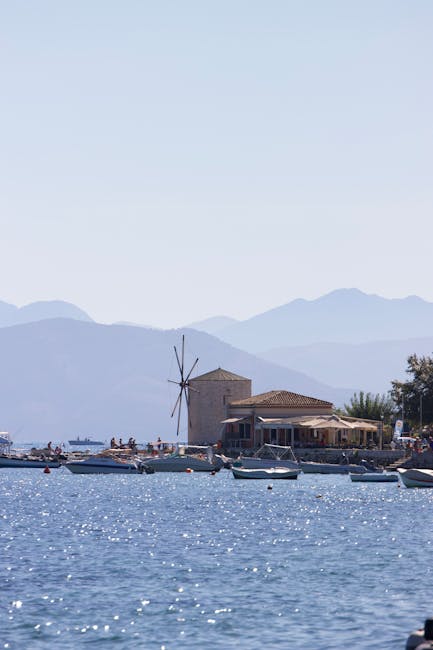
Traditional souvenirs to bring home: descriptions, prices and buying tips
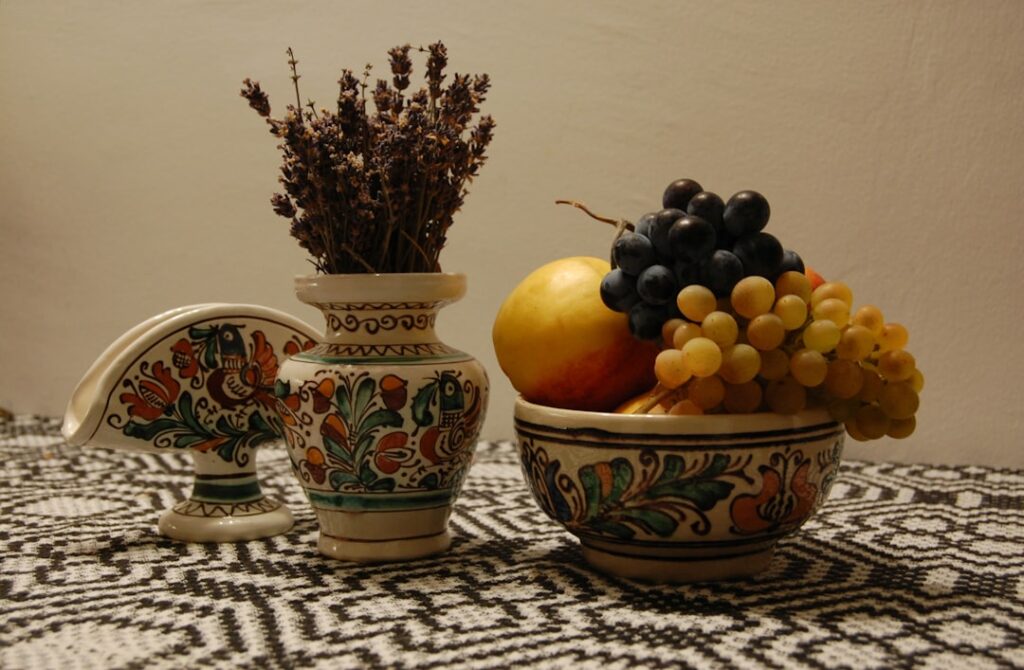
1) Ceramics and pottery — Rhodes’ pottery tradition offers bowls, modern amphorae and glazed cups inspired by Byzantine and Mediterranean motifs. Expect to pay around €8–25 for small artisan cups or bowls, €30–80 for medium decorative pieces and €120+ for larger or signed works. Where: workshops in the Old Town (Medieval City of Rhodes) and villages like Archangelos and Koskinou (Archangelos Pottery Workshops, Archangelos, 85100 Rhodes). Hours: 09:00–14:00 and 17:00–20:00. Tip: check sturdiness carefully and ask whether the piece is dishwasher-safe.
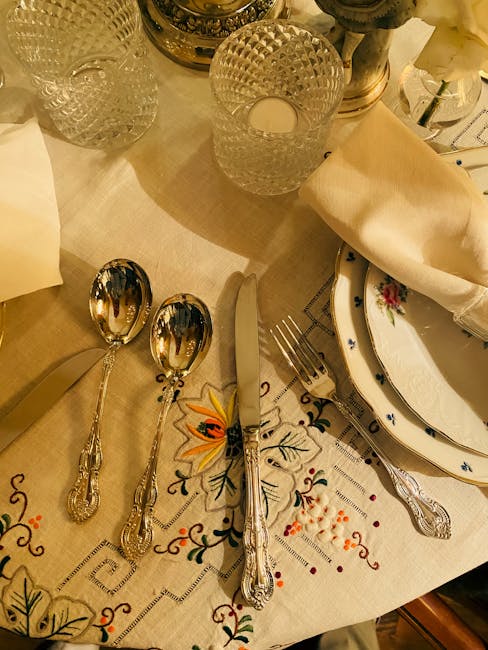
2) Textiles and embroidery — Hand-embroidered tablecloths, napkins and bed covers are often woven in local linen or cotton with floral and geometric patterns. Price: embroidered napkins €12–35, tablecloths €40–150 depending on size and complexity, shawls €25–90. Where: Lindos workshops (Lindos Textile Workshops, Plateia, Lindos, 85007 Rhodes) and shops in the Old Town (Sokratous Street area). Hours: 10:00–19:00. Tip: ask about fabric composition and care instructions (cold wash recommended for embroidered linen).
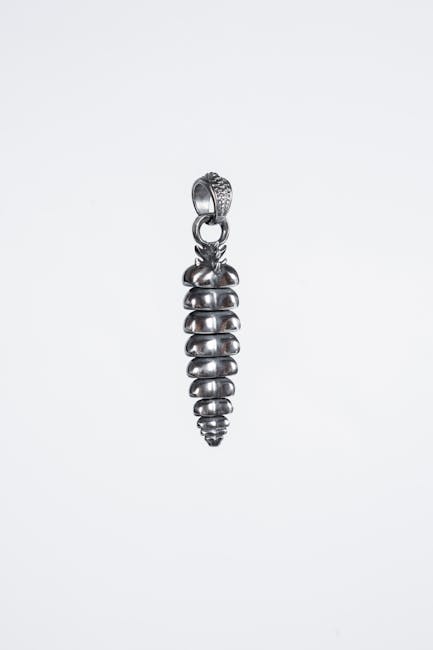
3) Silver and vermeil jewelry — Local jewelers often work with sterling silver (925) featuring Byzantine influences: ornate crosses, filigree pendants, bracelets and rings set with semi-precious stones. Typical prices: pendants €25–80, bracelets €30–150, rings €40–200 depending on stone and craftsmanship. Where: Ippoton Street (Street of the Knights), Old Town, shops around Sokratous Street (Sokratous). Hours: 10:00–22:00 in high season. Tip: ask for a 925 stamp and a certificate for gemstones if the price is high; bargain lightly in shops but respect artisanal work.
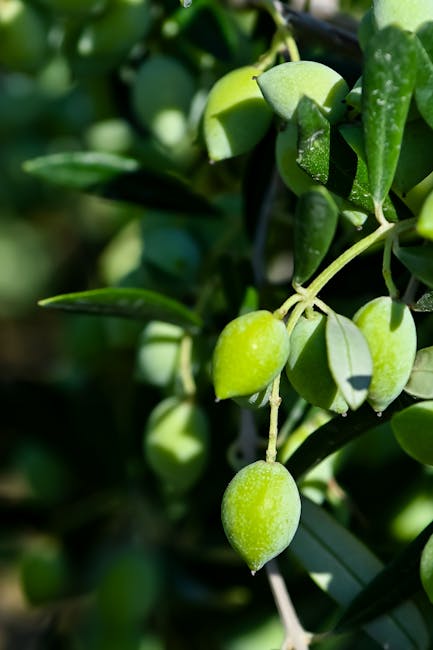
4) Olive products: oil, soaps and cosmetics — Local extra virgin olive oil (single estate) is a must. Prices: 250 ml bottles €7–12, 500 ml €12–20, collector bottles 500 ml–1 L €25–60 depending on organic certification and packaging. Laurel and honey soaps: €3–8 per bar. Where: Archangelos Agricultural Cooperative (Archangelos Cooperative Olive Mill, Archangelos, 85100 Rhodes) and specialty shops at the port (Akti Miaouli). Hours: cooperatives typically 08:00–15:00; shops 09:00–20:00. Tip: ask for the pressing date and favor oil sold in opaque or metal containers to preserve quality.
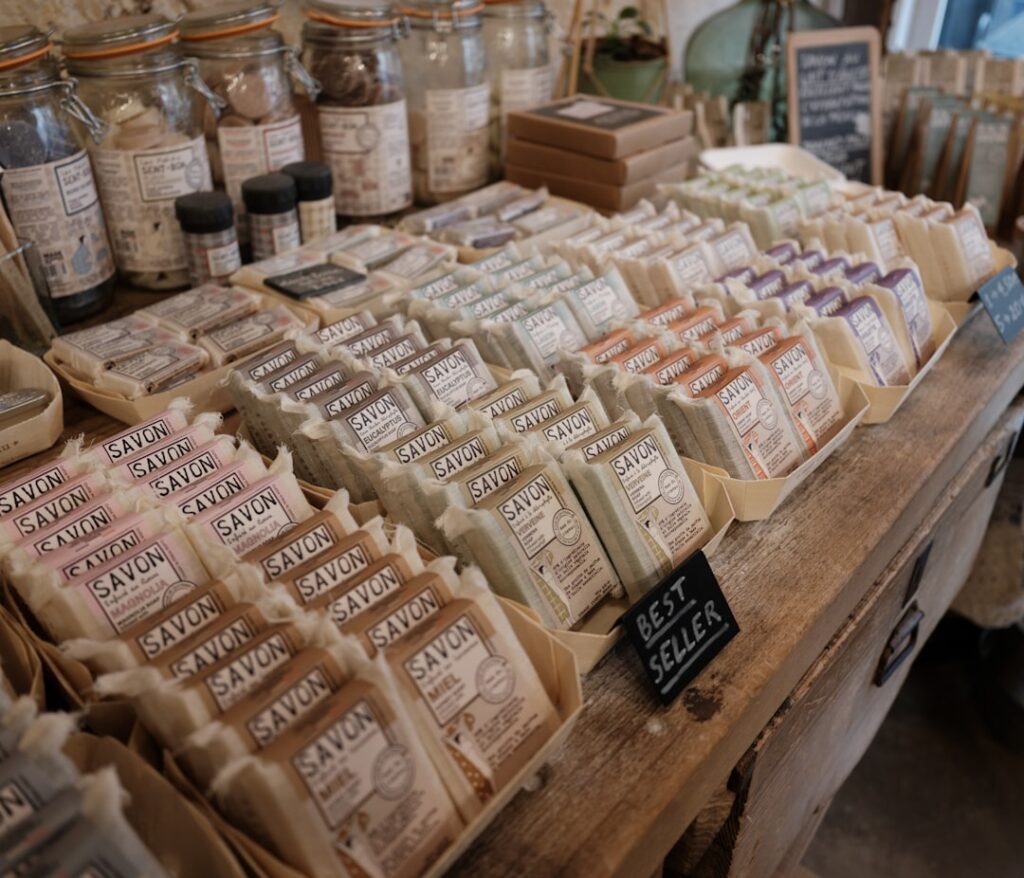
5) Laurel soap (Laurus nobilis) and handmade cosmetics — Natural products made from laurel, honey, olive oil and lavender, sold in small decorative boxes. Prices: soaps €3–8, creams €10–25. Where: craft shops in the Old Town and stalls in Mandraki Harbor (Akti Miaouli). Tip: check ingredient lists if you have sensitive skin.
6) Woodwork, mosaics and icons — Pebble mosaics, inlaid wooden boxes and hand-painted religious icons. Prices: small mosaics €15–40, icons €30–200 depending on size and gilding. Where: sacred art workshops around the Old Town (Hospital of the Knights area). Hours: 10:00–18:00. Tip: for icons, ask whether the work is painted in tempera on wood and if an atelier certificate is available.
Click here to paint your own ceramic cup in Rhodes
Click here to join a mosaic workshop in Rhodes
Click here to taste local olive oil, olives and wine
Click here to take a cooking class with tasting
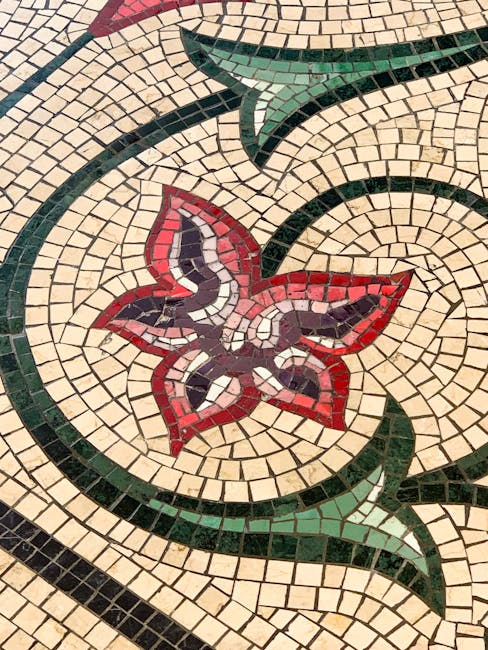
Featured artisans and must-visit shops (addresses, hours, prices and atmosphere)
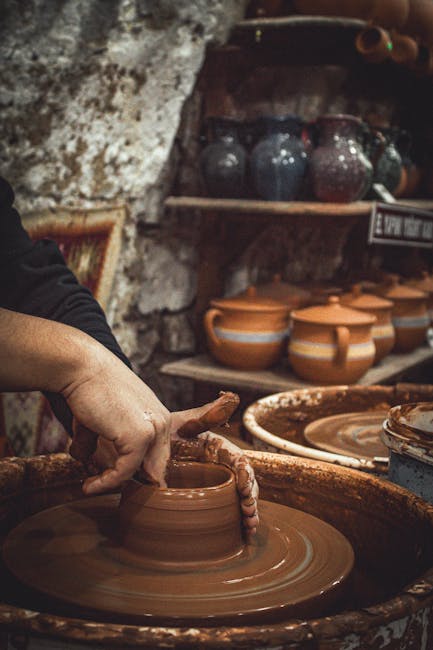
1) Pottery workshop « Rodi Ceramica » (example) — Address: Sokratous 18, Old Town, 85100 Rhodes. Hours: 09:30–13:30 and 17:00–20:30 (high season). Description: A family-run studio where traditional ceramics meet contemporary lines. The potter demonstrates electric kiln firing and explains local slips and glazes. Prices: small cups €10, decorative vases €35–120. Tip: if you find a fragile piece, ask for reinforced packaging for air travel.
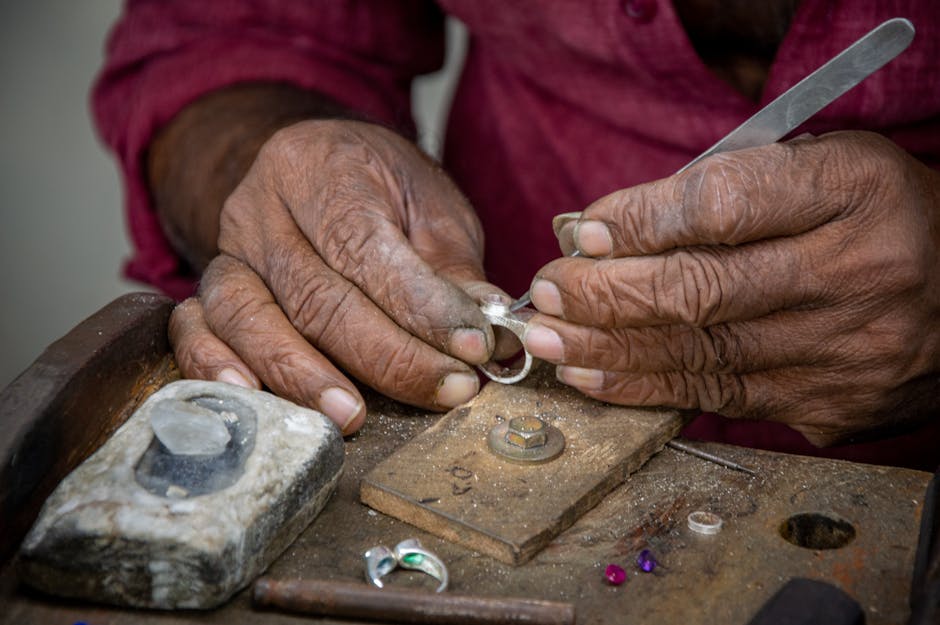
2) Jewelry house « Byzantine Silver Atelier » — Address: Ippoton 12, Street of the Knights, Medieval City, 85100 Rhodes. Hours: 10:00–22:00 in summer, 10:00–18:00 off-season. Description: Atelier-shop specializing in silver filigree and Byzantine motifs. The master goldsmith exhibits reinterpreted historical pieces. Prices: pendants €30–90, rings €50–220. Tip: ask about the design’s history and prefer stamped pieces for guaranteed quality.
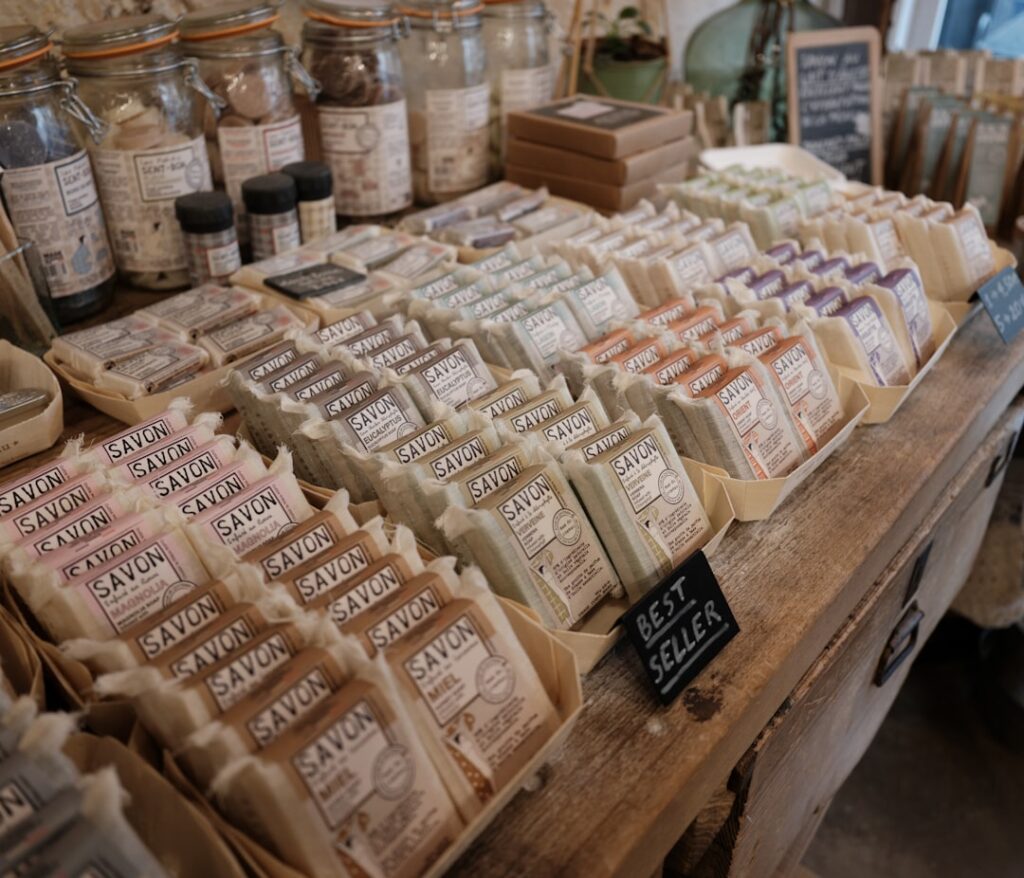
3) Artisan soapery « Laurel & Olive » — Address: Akti Miaouli 5, Mandraki Harbour, 85100 Rhodes. Hours: 09:00–20:00. Description: A small creative soapery selling laurel soaps, massage oils and honey creams. Fragrance sampling allowed and packaging with typical Greek style. Prices: soap €4–7, gift sets €15–30. Tip: choose unscented soaps if you have allergies and ask for samples before buying a large set.
4) Lindos weavers « Lindian Looms » — Address: Plateia, Lindos Village, 85007 Rhodes. Hours: 09:00–20:00. Description: A collective of women weavers producing traditional tablecloths and embroideries. You can often watch the looms in action and learn a few stitches. Prices: small napkins €15–35, large tablecloths €60–180. Tip: if you buy a large tablecloth, negotiate the price and ask for a fabric carrying bag.
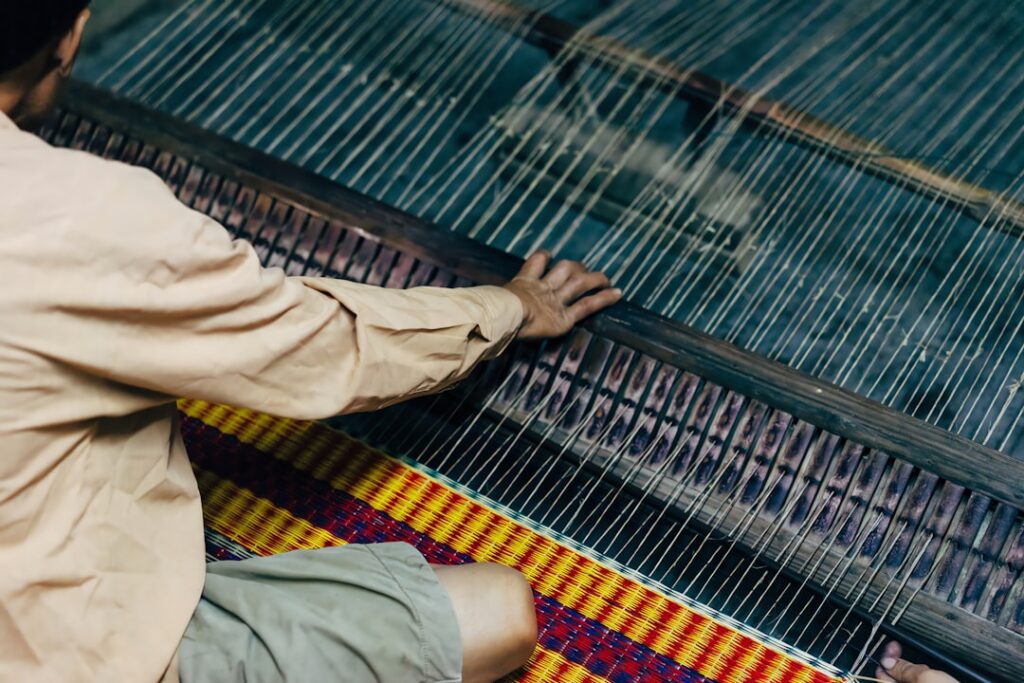
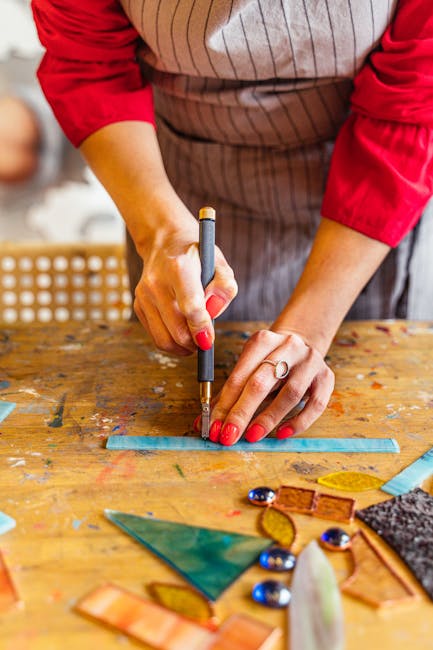
5) Mosaic studio « Mosaic Studio Rhodes » — Address: Hospital of the Knights area, Old Town, Medieval City, 85100 Rhodes. Hours: 10:00–17:00. Description: Mosaics, often inspired by Byzantine pavements, are made to order. Small plaques €20–60, larger wall pieces from €150 depending on complexity. Tip: order in advance if you want a custom piece and ask for photos of the process.
Click here to take a master pottery class
Click here to book a private photo session in the Old Town
Practical local tips: bargaining, packing, customs and care
Bargaining and respect: Bargaining with artisans should be done tactfully. In small family-run shops it’s frowned upon to push for steep discounts; instead, ask if a small cash discount is possible or if there’s a better price for multiple items. At markets and tourist stalls, negotiating 5–15% is common, especially off-season. Respect the artisan’s work: always ask about materials’ origin and how the item was made.
Payment methods and proof of purchase: Many shops now accept cards, but small workshops often prefer cash. Carry euro notes and coins for small purchases. For higher-value items (jewelry, large ceramics, artworks), insist on a receipt or detailed invoice listing the place, artisan and price — handy for customs or potential returns.
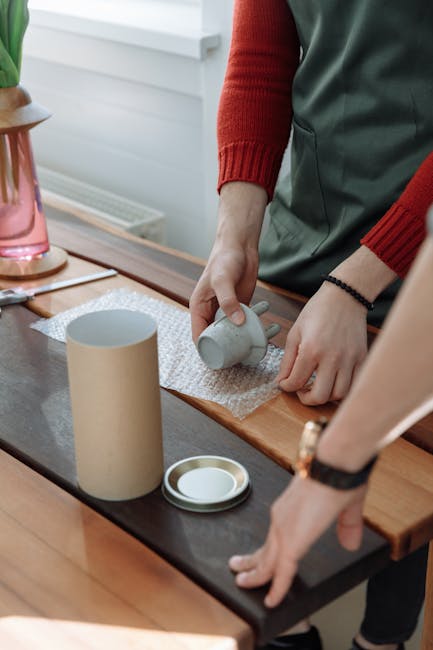
Packing and transport: For ceramics and fragile items, request professional packing (bubble wrap, reinforced boxes). Some ateliers offer international shipping with insurance; compare shipping costs to the price of the item. For air travel, pack fragile objects in your checked luggage with plenty of padding, or choose special “fragile” packaging if you need them in cabin baggage. Soaps and liquids must comply with cabin liquid rules (<100 ml); it’s often better to buy olive oil in sealed bottles and pack them in checked luggage.
Customs and export rules: Some natural objects (coral, certain exotic woods) may be restricted. Avoid buying natural coral — opt for synthetic or certified pieces. For antiques and art, request an export certificate if the item exceeds a certain value or is old (rules vary under Greek law). For olive oil and food products, check your country’s import rules (personal vs commercial quantities).
Product care: Olive oil should be stored away from light in an opaque bottle at cool temperatures. Embroidered textiles should be hand-washed or machine-washed on a delicate cycle and ironed at low heat. Silver jewelry needs a soft cloth and, if tarnished, a gentle metal-cleaning bath. Glazed ceramics are often dishwasher-safe, but always confirm with the artisan.
Visiting tips
- Visit early in the morning: Workshops are often less crowded, the air is cooler and artisans are more available for demonstrations (ideal between 09:00 and 11:00).
- Learn a few Greek words: « Kalo ergo » (good work) and « Efcharistó » (thank you) open doors and smiles.
- Bring a reusable bag: Handy for purchases and appreciated by local sellers.
- Think about sentimental value: Invest in a piece that tells a story, not just a decorative object.
Conclusion: bring back the spirit of Rhodes, not just things
Bringing home an authentic souvenir from Rhodes is more than adding an item to a shelf: it’s preserving a sensory memory — the texture of pottery, the softness of an embroidery, the aroma of fresh olive oil — and supporting families and local traditions. In the alleys of the Old Town (Medieval City of Rhodes, Old Town, 85100 Rhodes), on the quays of Mandraki Harbour (Akti Miaouli, 85100 Rhodes) and in villages like Lindos (Plateia, Lindos, 85007 Rhodes) and Archangelos (Archangelos, 85100 Rhodes), you’ll meet artisans proud of their heritage and willing to share their know-how. Choosing island-made products supports a sustainable local economy and ensures you return with objects full of history and emotion.
This guide has given you practical reference points: addresses, general opening hours, price ranges and tips on bargaining, packing and caring for your purchases. Keep in mind that hours and availability can vary with the tourist season; it’s often wise to call or message the workshop to confirm before you go, especially if you want to see a demonstration or order a custom piece.
Lastly, let curiosity lead: talk to the artisan, ask how they learned their craft, and if they agree, take a photo. Those interactions turn a simple purchase into a living memory. Bring back the spirit of Rhodes — its flavors, textures and stories — and share those encounters with loved ones; that’s the real treasure you take home when you choose authentic handmade crafts.