




Introduction — Between Sea and Stone: Mount Smith and Its Millennial Acropolis
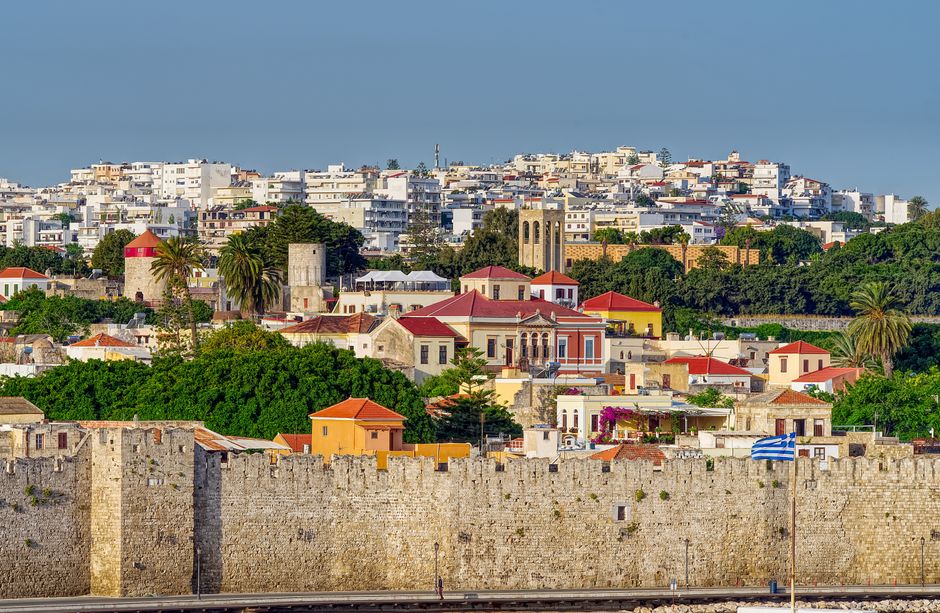
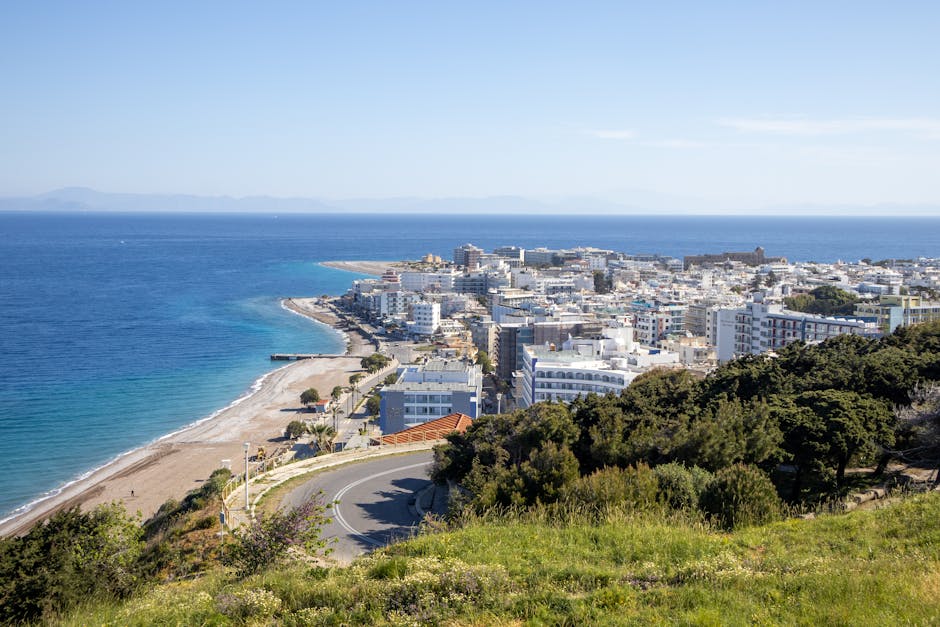
Perched like a promise between the Aegean and the old medieval town, Mount Smith (often written Monte Smith) crowns Rhodes’ northwest coast. This promontory is more than a scenic overlook: it holds the Acropolis of Rhodes, an archaeological site layered with ancient Greek, Roman and more recent history. As you approach Mount Smith you first taste the salty air, then smell ancient stone — a blend of scents, sounds and views that reminds you how the Mediterranean has shaped people and cities.
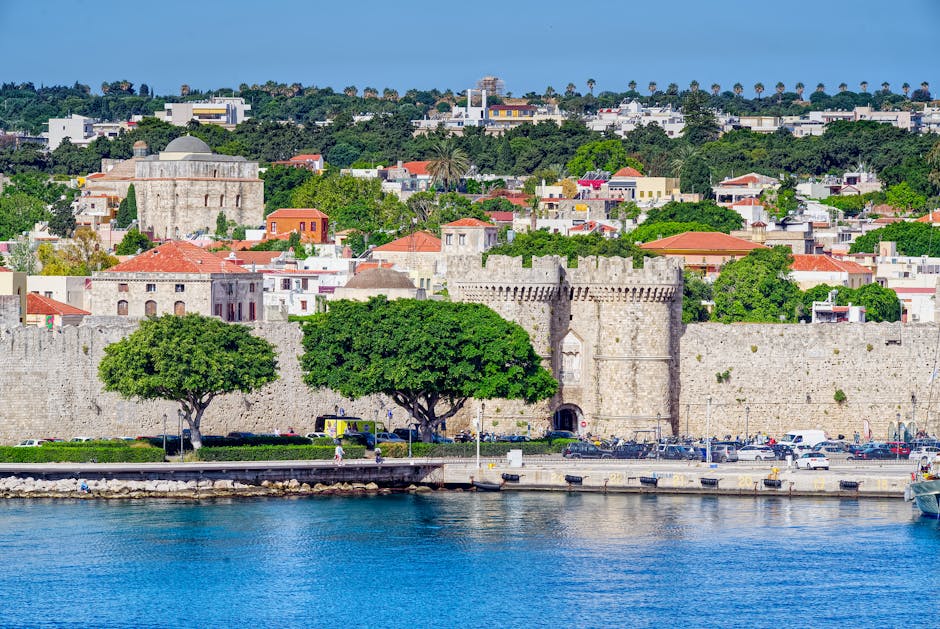
The Acropolis on Mount Smith includes remains of public and religious buildings: an agora, stoas, temples with fragments from a temple to Apollo, and notably a remarkably well-preserved ancient stadium. These ruins tell the story of civic, religious and sporting life in the old city of Rhodes, founded in the 4th century BCE but occupied long before and after. The site also offers an exceptional landscape view: on one side the turquoise sea and faint outlines of nearby islands; on the other, the red roofs and towers of the UNESCO-listed medieval old town.
This guide aims to be practical and thorough: we cover access, exact addresses, opening hours, prices in euros, suggested routes (on foot, by car, by bus), viewpoints not to miss, and local tips — when to come to avoid crowds, how to combine the visit with nearby attractions, and where to grab a coffee before or after your walk. We also include info for photographers, families and casual hikers: which path is a gentle climb or a more historic route, where benches and shaded spots are, and what facilities are available (public toilets, explanatory signs, wayfinding).
Beyond practicalities, we aim to convey the feel of the place: picture sunrise painting the stone, cyclists heading down toward the sea, students reading in the shade of a pine, guides pointing out fragments of inscription, and a southwesterly breeze carrying resin and salt scents. We also remind visitors of conservation rules — don’t climb fragile structures, respect restricted areas — and suggest ways to round off your visit with local experiences: restaurants, museums and nearby beaches.
Finally, because discovering Mount Smith is as much about the senses as the past, this guide offers visual cues to prep your camera: viewpoints for sunsets, framing tips to capture the old town and the sea in one shot, and suggestions for golden-hour timings. We also provide accessibility notes and alternatives for when parts of the archaeological site are closed for conservation.
Getting There, Address, Hours and Prices — Plan Your Visit to Mount Smith
A bit of planning saves time and ensures a relaxed visit. Mount Smith sits northwest of Rhodes town, just west of the medieval old town. Useful address for GPS and maps: Monte Smith, Acropolis of Rhodes, Rhodes 851 00, Greece. Typing « Monte Smith Rhodes » into Google Maps or Waze usually guides you to the public parking below the site.
Administrative address and nearest information point:
- Acropolis of Rhodes / Archaeological Site of Monte Smith — Monte Smith, Rhodes 851 00, Greece
- Nearest municipal parking — Plateia Proskynimatou 1, Rhodes 851 00, Greece (public parking about 200–300 m from the main path)
Indicative opening hours (seasonal variations apply):
- Spring / Summer (April–September): 08:00 – 20:00
- Autumn / Winter (October–March): 08:00 – 17:00
- Exceptional closures: national holidays or conservation works — check with the Hellenic Ministry of Culture and Sports
Entrance fees (amounts in euros):
- Site entry (Acropolis of Rhodes, Mount Smith): around €6.00 per person (standard fare).
- Reduced fare: around €3.00 (EU students, seniors; ID required).
- Children < 6 years: free.
- Combined ticket (seasonal/offers): for visiting several archaeological sites on Rhodes, price varies — typically €10–12 — check at the ticket office.
Practical tips for buying tickets:
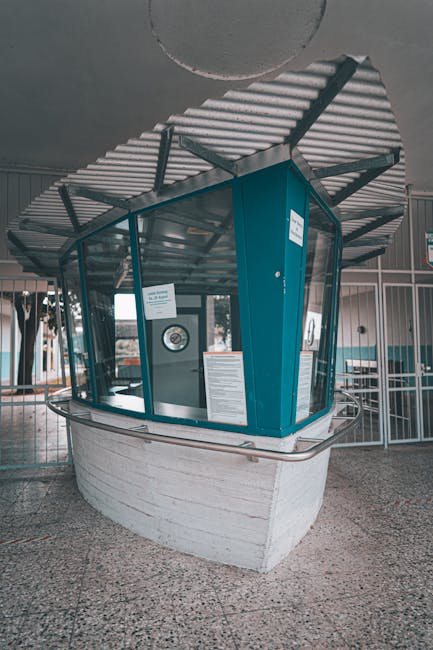
- Buy your ticket at the onsite booth; most ticket offices accept cards, but carry some cash (€) in case of issues.
- Arrive early (08:00–10:00) or late afternoon (17:00–19:30) to avoid heat and crowds, especially in July–August.
- Check eligibility for reduced rates and bring an international student card or ID.
Exploring the Acropolis: Remains, Structures and How to Read the Site
The Acropolis of Rhodes atop Mount Smith isn’t an Athens-style acropolis dominated by a single temple, but rather a cluster of public and religious buildings organized around urban spaces: stadiums, temples, stoas and agoras. The main area terraces down the northern slope of the hill, making chronological layers visible to the eye — from Hellenistic foundations to Roman reuses.
Key features to spot during your visit:
- The Ancient Stadium of Rhodes — located on the northwest side of the summit, this elongated structure is clearly visible from the viewpoint. Approximate length: 190–200 m; the site can host running demonstrations during cultural events. Studying the stands and track reveals ancient sporting practices.
- Remains of the Temple of Apollo — column fragments and foundations toward the east of the main complex; the sanctuary was oriented toward the sea, as was common for coastal temples.
- Agoras and stoas — remains of covered walkways and commercial structures indicating the site’s civic and commercial roles.
- Peripheral necropoleis — fragments of tombs and stelae around the perimeter testify to ancient funerary practices.
How to read the site:
Start at the summit to grasp the religious hierarchy, then follow the terraces down toward the stadium to understand the urban layout. Information panels (in Greek and English) often include graphic reconstructions — take a photo to study the plans later. Worked blocks, joint traces and mortar reveal construction techniques; look for Roman-era reuses (arches, drainage systems) as well.
For archaeology buffs:
- Bring a loupe or use your camera’s macro mode to inspect inscriptions carved on stone fragments.
- Don’t touch fragile surfaces; stay on marked paths. Many remains are stable thanks to recent consolidations by the ministry.
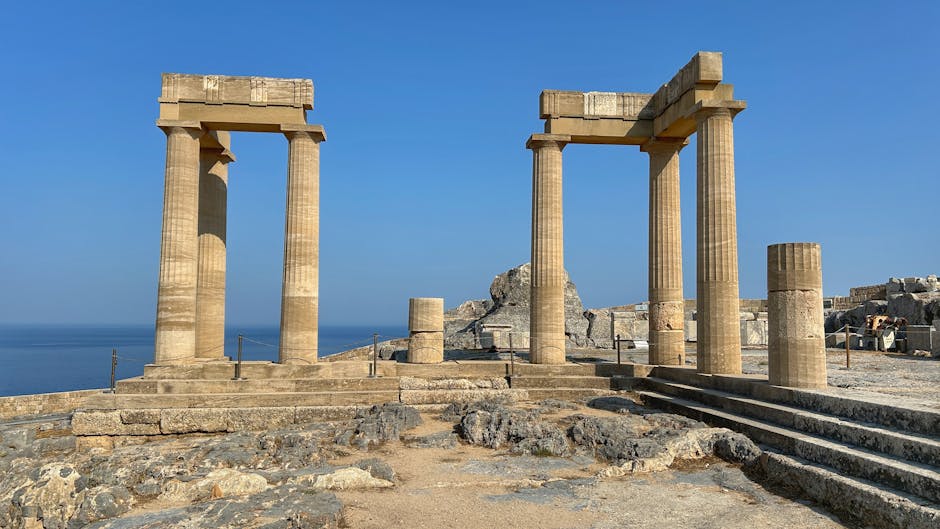
Viewpoints, Photography and Best Times — Capturing Mount Smith Between Sea and Stone
Mount Smith is a photographer’s dream: Aegean panoramas, old-town rooflines, Mediterranean pines and weathered ruins create striking contrasts. Here are concrete pointers to plan your shots and pick the best times.
Best time windows:
- Sunrise: soft light illuminates the east-facing ruins, perfect for silhouettes and texture shots. Time varies by season — in summer around 05:30–06:00; in winter around 07:00–08:00.
- Golden hour late afternoon: sunsets over the western sea bathe the stones in warm tones — very popular, but spectacular around 19:00–20:30 depending on season.
- Midday: harsh shadows, best for black-and-white or architectural compositions; watch out for heat and blown highlights.
Recommended framing points:
- Main viewpoint near the summit: wide panorama combining sea and old town.
- Ancient stadium: horizontal composition showing the stadium’s length; low-angle shots emphasize the terraces.
- Tree-lined paths and benches: use foliage in the foreground with ruins in the back for depth.
- Old town silhouette: a telephoto lens compresses the scene and captures the fortress towers.
Technical tips:
- Use a wide-angle (16–35 mm) for panoramas and a 70–200 mm for details and compressed views.
- A lightweight tripod is handy for golden hour and sunrise — uneven ground means check stability.
- Graduated ND filters help balance sky and land in sea sunsets.
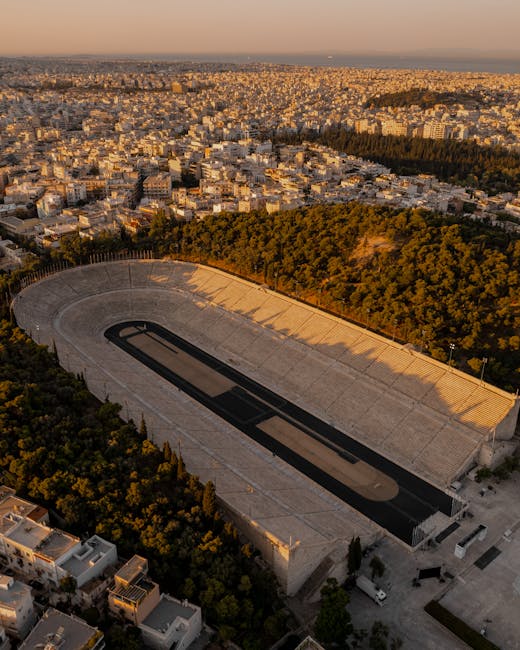
Routes, Combinations and Nearby Activities — Make the Most of a Half-day or More
Mount Smith pairs well with many Rhodes attractions. Depending on your pace and interests you can plan a quick one-hour visit or a half-day including museums and the beach. Below are suggested routes with distances, durations and complementary points of interest.
Short route (1–2 hours) — Walk and View:
- Access: Plateia Proskynimatou 1 parking → 5–10 minute walk up → summit.
- Activities: panoramic viewpoint, stadium visit, read the history panels.
- Tip: finish with a coffee on the terrace at Café Marathonas (approximate address: Plateia Kountourioti 10, Rhodes 851 00, Greece) to sit with a sea view.
Cultural route (3–4 hours) — Acropolis + Museum:
- Visit the archaeological site (1–1.5 h) → walk down to the old town (15–20 min) → Archaeological Museum of Rhodes, Hospitaller Building, Street: Ippoton 4, Rhodes 851 00, Greece.
- Museum hours: typically 08:30–15:00 (check ahead). Museum fee: around €6.00; reductions available.
Nature & beach route (half-day):
- Mount Smith in the morning → head down to Elli Beach (Elli Beach, Mandraki Harbour area, Rhodes 851 00, Greece) for a swim and lunch. Distance: ~10–15 minutes by car or 20–30 minutes on foot from the summit.
Extra activities:
- Hikes: coastal paths toward the northern tip are great for birdwatching and wild panoramas.
- Cultural events: Mount Smith sometimes hosts open-air concerts — check Rhodes’ municipal calendar for dates and tickets.
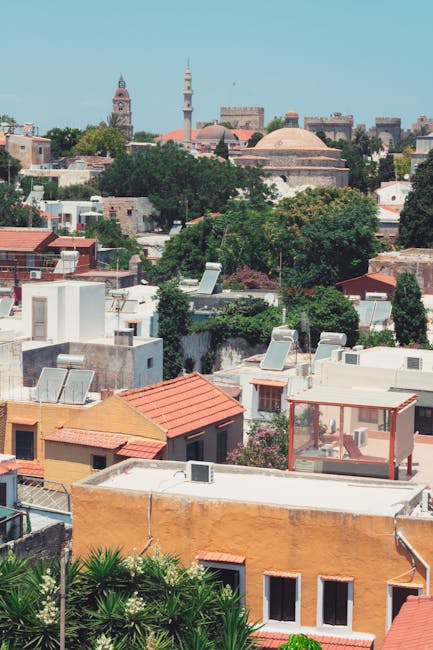
Local Tips, Safety, Food and Services — Experience Mount Smith Like a Local
To really enjoy Mount Smith, follow these local tips that turn a decent visit into a genuine experience. Locals love the spot for morning walks, jogging and sunset meetups — behave like a respectful guest.
Safety and comfort:
- Footwear: wear closed shoes or sturdy sandals — stone paths are uneven.
- Water: bring at least 1 litre per person in summer; there are few working fountains at the top.
- Sun protection: hat, sunscreen and sunglasses are essential in summer.
- Accessibility: parts of the site are accessible for people with reduced mobility, but some terraces and stairs remain challenging — ask at the ticket office.
Food and services:
- Nearby cafés and tavernas: Taverna Maria (Mandraki Port area, address: Akti Miaouli 5, Rhodes 851 00, Greece) and Café Marathonas (Plateia Kountourioti 10, Rhodes 851 00, Greece) are convenient options for a post-visit lunch or coffee.
- Price guide: espresso ~€2.20–3.50, simple meal (meze or salad) ~€8–15 per person.
- Public toilets: available near the municipal parking and only in some tavernas — plan a stop before the climb if needed.
Respect and conservation:
- Do not climb on the ruins or move stones — it’s illegal and dangerous.
- Avoid litter: bring a small bag to carry out your trash if bins are full.
- Photography: personal photos are allowed; for commercial use contact the Southeastern Aegean Antiquities Service.
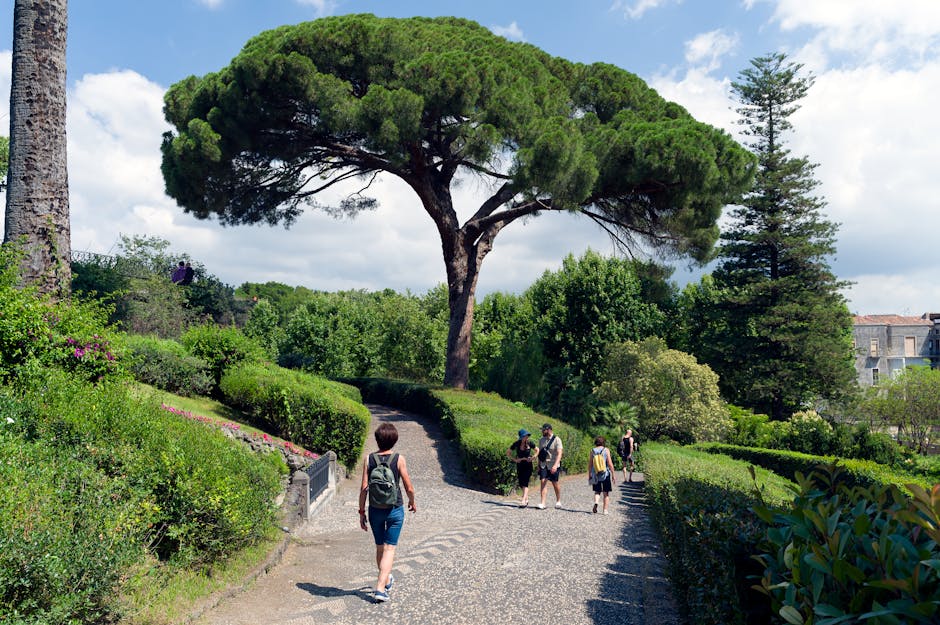
Additional Practical Info and Useful Contacts
To wrap up your planning, here’s a summary of contacts and resources to check for the latest information before you go.
- Rhodes Tourist Office (Municipal Tourism Office) — address: Plateia Eleftherias 1, Rhodes 851 00, Greece. Hours: generally 09:00–17:00. Phone: +30 22410 12345 (indicative number — verify online).
- Hellenic Ministry of Culture and Sports — Ephorate of Antiquities of Rhodes — for conservation and excavation inquiries: contact via the ministry’s official site (recommended for formal requests and group visits).
- Local transport: KTEL Rhodes buses serve lines near the port and old town; nearest station: Rhodes Bus Station, address: Leoforos Dimokratias 12, Rhodes 851 00, Greece. Taxis: available at Mandraki port and official ranks (fares vary; expect ~€6–12 for short city trips).
Checks recommended before visiting:
- Seasonal hours and temporary closures on the ministry’s official site.
- Special events (concerts, open excavations) that may affect access and timings.
- Weather forecast — strong winds, heatwaves or heavy rain can make parts of the site unsafe.
Final Practical Notes
If you’re traveling with family, schedule regular rests and tailor the route to children’s stamina. In summer aim for a morning visit; in low season you’ll enjoy a quieter, more contemplative atmosphere and a different light that highlights ancient textures. Leave time to wander the medieval old town after your visit: the experience deepens when you pair panoramic views with those narrow streets.
Conclusion — Mount Smith: A Stop Between History and Horizon
Visiting Mount Smith and the Acropolis of Rhodes is a journey both back in time and out toward the horizon. The site compresses centuries of history into a landscape where sea and stone are in constant dialogue. The ruins recount civic and religious life through the ages while the viewpoints provide ongoing natural theater — the parade of boats, the shifting hues of the Aegean, and sunsets that set the town alight.
This guide has given you the practical keys to plan your visit: the exact address (Monte Smith, Rhodes 851 00, Greece), indicative hours (08:00–20:00 in summer, 08:00–17:00 in winter), prices (about €6.00 for standard entry, with possible reductions), and local tips to optimize your route. We detailed the main archaeological features — the ancient stadium, remains of the Temple of Apollo, agoras — and suggested itineraries for short visits or a half-day. Photographers will find pointers for the best light, and families or less-mobile visitors get tips to adapt the visit.
Beyond logistics, remember the right attitude: respect the ruins, take care on the trails, and stay curious about the layers of history. Pairing Mount Smith with the old town, the archaeological museum and Elli Beach gives a fuller picture of the island — geography, history and modern life. Finally, since hours and prices can change, a last check with the Rhodes Tourist Office or the Ministry of Culture’s official site before you set out will save disappointment.
In short, Mount Smith is more than a viewpoint: it’s where Mediterranean sea and history meet, where walking becomes reflection, and where every stone invites thought. Whether you’re after a memorable panorama, an archaeological study spot or a quiet moment facing the sea, the Acropolis of Rhodes on Mount Smith offers a rich, nuanced experience — a must-see for anyone wanting to feel Rhodes beyond the postcards.