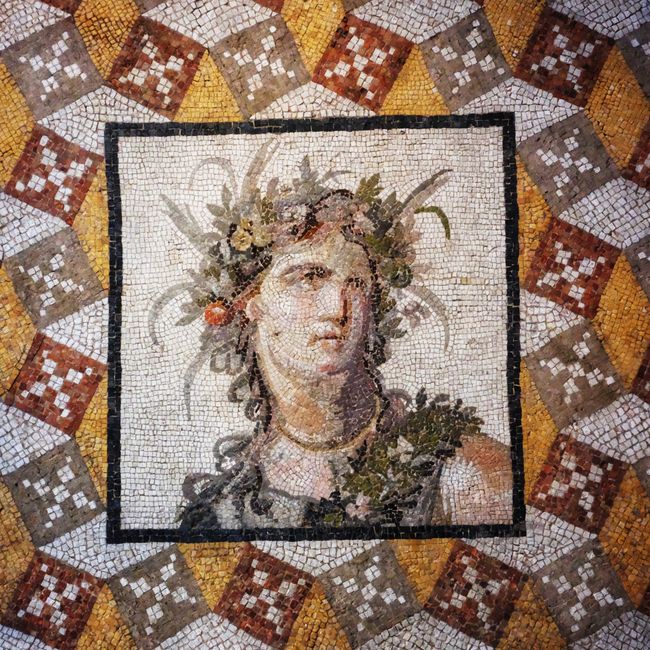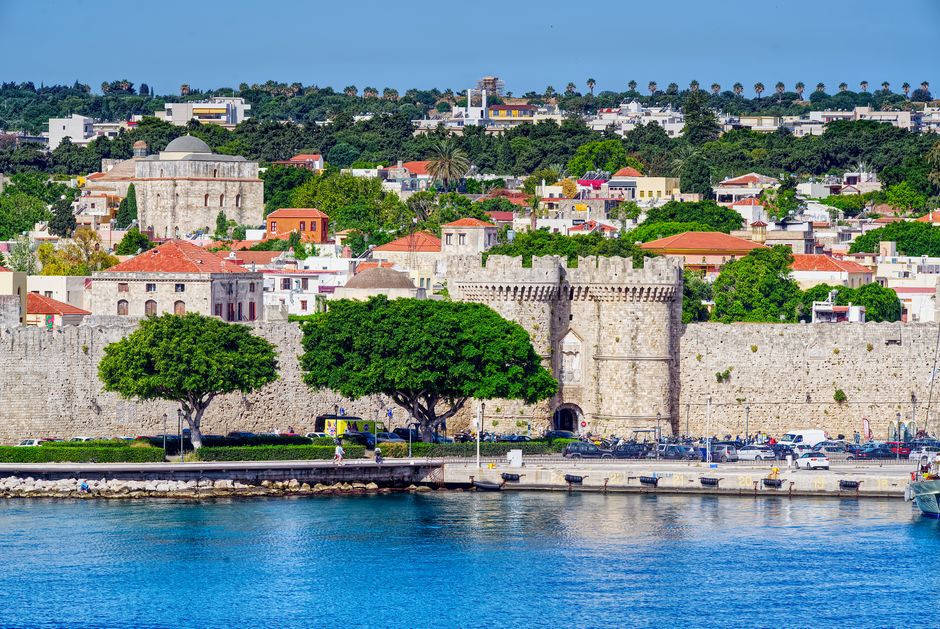






Introduction — Byzantine Chronicles: Stories Preserved in the Museums of Rhodes
Rhodes, an island at the crossroads of East and West, keeps Byzantine tales pressed into its stones and showcased in its museums like visual chronicles. When you hear “Byzantine chronicles,” you probably picture gold icons, weathered mosaics, painted wooden panels and liturgical objects that have survived the centuries. On Rhodes, these witnesses aren’t locked away in a single building: they’re scattered through the medieval Old Town, rebuilt palaces, hilltop monasteries and contemporary museum spaces. This guide is designed to give you a thorough, practical and well-informed immersion into the museums of Rhodes that preserve, display and interpret the island’s Byzantine legacy.
Visiting Rhodes isn’t just ticking off tourist sites; it’s about reading the island’s historical layers. The museums tell the Byzantine story through many kinds of objects: Byzantine and post-Byzantine icons, mosaic fragments, chasubles, processional crosses, illuminated manuscripts, architectural fragments and funerary steles. Each object bears traces of use, conservation, cultural exchange — and the turbulent history of Rhodes, marked by Byzantine rule, the era of the Knights, Ottoman occupation and modern restorations.
This guide presents a curated selection of museums and museographic sites on Rhodes that are essential for anyone wanting to understand the island’s Byzantine footprint. For each place you’ll find the full address, typical opening hours, ticket prices in euros, an evocative description of the collections, and practical tips: when to visit to avoid crowds, which objects to seek out first, how to combine visits and travel, and what rules apply for photography and preservation. These recommendations are based on the experience of cultural travel specialists and common practices within Greek cultural services.
The approach here aims to be broad yet specific: we don’t limit ourselves to a dry catalogue of objects but put items back into their usage contexts, offering historical anecdotes, reading keys and suggested routes to help you make the most of your time on the island. Whether you’re a curious traveler, an art history student or a conservator on holiday, this guide will help you decode Rhodes’ “Byzantine chronicles” the way you read an illustrated book — taking time to listen to what each museum has to say.
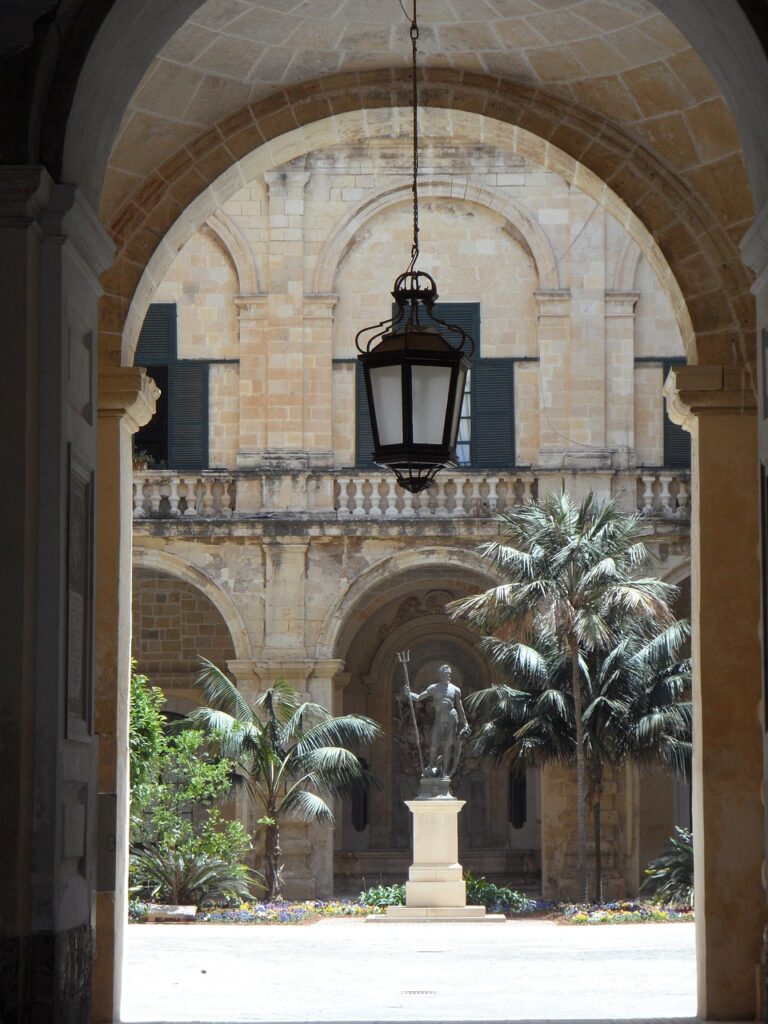
Palace of the Grand Master of the Knights of Rhodes — Palace and Byzantine Collections
The Palace of the Grand Master is a must-visit for anyone trying to grasp Rhodes’ historical continuity. Exact address: Palace of the Grand Master, Akropolis Square, Medieval City, Rhodes 85100, Greece. The palace today presents a museography that blends medieval architecture, furnishings, tapestries and, above all, Christian relics and artworks that trace the island’s Byzantine and post-Byzantine horizons.
Opening hours: usually 08:30–20:00 in high season (April to October) and 08:00–16:00 in low season (November to March). Tickets: roughly €10–€14 for an adult (varies with season and temporary exhibitions). Discounts are available for European students and seniors; children under 18 may enter free when accompanied, subject to the current regulations.
Immersive description: stepping through the palace’s heavy door feels like entering a sequence of vaulted rooms with flagstone floors and walls that still show traces of painted decoration. The Byzantine collections include gilded panel icons, mosaic fragments salvaged from ancient buildings and reused in medieval structures, and liturgical textiles. Icons strike you with their limited palette — gold, deep crimson, lapis blue — and with the way light filtering through narrow windows reveals successive layers of overpainting and varnish.
Local tips: allow 1 to 1.5 hours to see the highlights. Early morning light is ideal for photos (subject to museum rules — flash is often prohibited). If you’re passionate about icons, ask at the ticket desk whether there’s a catalogue of the Byzantine pieces: some items may be kept in storage and brought out on request for guided groups.
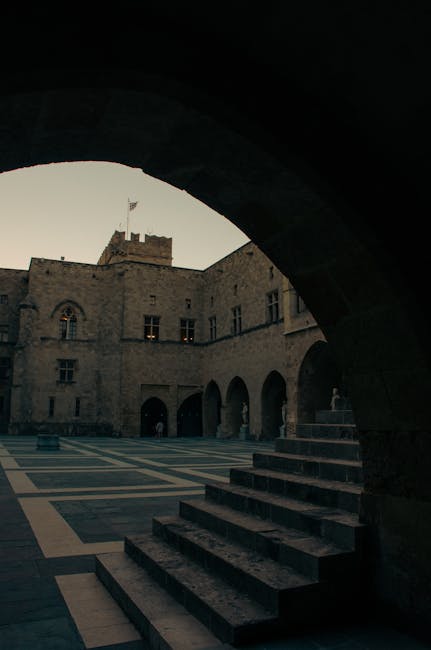
Archaeological Museum of Rhodes (Hospital of the Knights) — Mosaics and Byzantine Reuse
Address: Archaeological Museum of Rhodes, Hospital of the Knights, Ippoton Street, Medieval City, Rhodes 85100, Greece. Housed in the impressive Hospital of the Knights, the museum preserves archaeological layers from antiquity through the late Byzantine period. It’s an essential stop for understanding how Byzantine spaces and materials were reused over the centuries on the island.
Opening hours: generally 08:00–20:00 in summer, 08:00–16:00 in winter — check locally for changes. Tickets: adult entry around €6–€10; reduced rates for students and seniors, and free admission possible for under-18s. The museum may be included in a combined ticket covering other Old Town sites; ask at the desk to save on multiple visits.
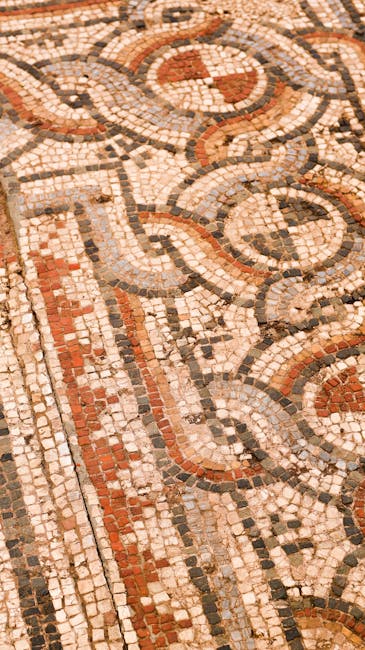
Immersive description: the Hospital of the Knights houses rooms dedicated to tesserae and mosaics, some originating in paleo-Christian and Byzantine buildings. Geometric patterns, figurative scenes (animals, hieratic figures) and vegetal frames reveal a Byzantine aesthetic in dialogue with local influences. Visitors often notice how Byzantine architectural elements — columns, carved capitals — are documented and contextualized here, showing the continuous use and transformation of materials through successive rules.
Practical tips: take an audio guide if available; it helps connect fragments to their original locations on the island. Mosaic rooms often use low, indirect lighting to protect the tesserae; if you want to avoid crowds, visit in the morning. Nearby, Ippoton Street and its craft shops sell icon reproductions and books on Rhodes’ Byzantine art — buying locally supports the artisans.
Byzantine and Ecclesiastical Museum & Church Sites — Monasteries, Churches and Sacred Museography
Rhodes is home to several small ecclesiastical museums and collections kept in monasteries and churches that offer an especially vivid reading of Byzantine heritage. Notable examples include the local Byzantine Museum and church treasuries in the Old Town and nearby villages. Useful starting address: Municipal Byzantine Collection, Old Town (check local notices for the exact location as exhibitions rotate), Rhodes 85100, Greece.
Hours and fees: these small collections often have variable opening hours (typically open mornings 09:00–13:00 and again 17:00–19:00 off-season) and modest entry fees (usually €3–€6). Some churches ask for a voluntary donation rather than a fixed ticket. For organized visits, contact the Rhodes Tourist Information Office (Tourist Information Office, Socratous Square, Old Town) for up-to-date details.
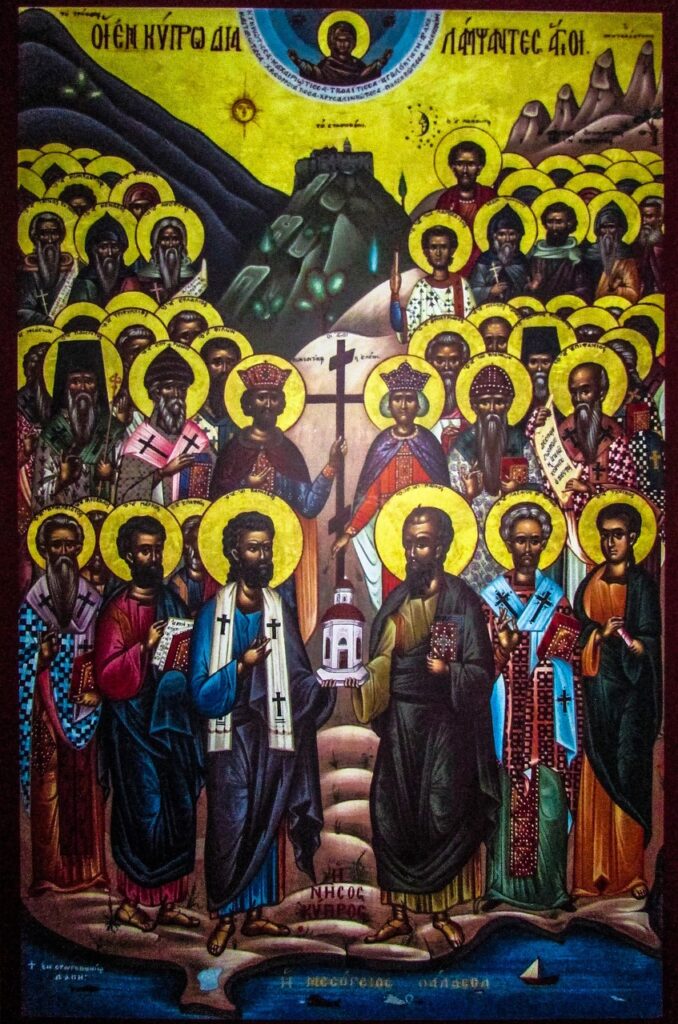
Immersive description: entering these collections, you feel the living nature of Byzantine art: icons still venerated, hanging oil lamps, censers, worn liturgical books with faded illuminations. Travel guides often describe a dim atmosphere where the gold of icons gleams and the wood’s patina tells of hands that have prayed. Nearby monasteries, like the Monastery of Filerimos (Address: Filerimos, Ialyssos, Rhodes 85101, Greece), also keep Byzantine pieces in small attached museums.
Local advice: respect dress and photography rules in sacred spaces (shoulders covered, flash sometimes forbidden). If you attend a service, be prepared for palpable devotion: religious use often overlaps with the museum function. In the late afternoon, several churches open for vespers — a rare opportunity to see icons in their liturgical setting.
Regional Archaeological Museum and Small Peripheral Collections — Off-the-Beaten-Path Routes
Beyond the major institutions in the Old Town, Rhodes offers regional museums and small peripheral collections that hold Byzantine finds from local excavations. Places to consider include the Archaeological Museum of Lindos (when items are displayed locally depending on the season) and displays in municipal cultural centers. Addresses: check with the Rhodes Regional Archaeological Service, 2 Anapafseos Street, Rhodes 85100, Greece for routes and bookings for specialized visits.
Hours and fees: small collections usually charge reduced rates (generally €2–€6) and concentrate openings in the morning. Temporary Byzantine-themed exhibitions are often hosted by cultural centers and can change location with the season; call ahead or consult the official Rhodes Region website for confirmation.
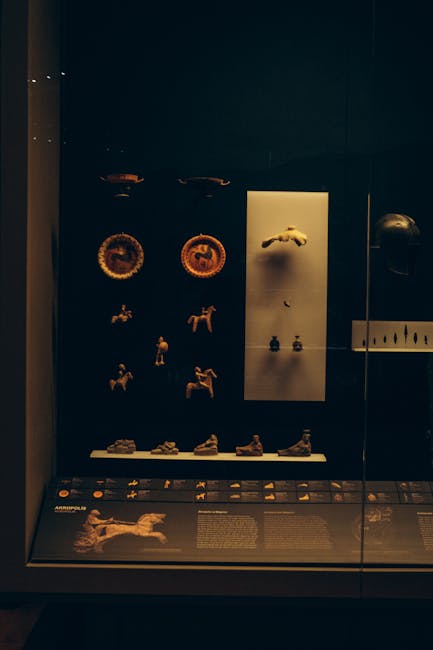
Immersive description: these small galleries sometimes hold surprises: fragments of Byzantine Greek inscriptions, late Christian steles, everyday objects decorated with Christian symbols. These items reveal the daily side of Byzantine life — beyond monumental icons — and help explain domestic and funerary practices. Excavation displays also show stratigraphy: ancient layers overlain by Byzantine constructions, demonstrating continuous occupation.
Practical tips: if you have a car, combine visits to peripheral sites in the morning (cooler temperatures) with lunch in a local village. Regional museums are often close to outdoor archaeological sites (church ruins, necropolises), letting you pair museum interpretation with on-site reading of the landscape. Bring comfortable shoes and water: shade can be scarce around some locations.
Practical Tips for Visiting Byzantine Museums in Rhodes
Planning your trip to Rhodes to explore its Byzantine heritage requires some practical planning. Here are proven recommendations to make the most of your experience:
- Tickets: look into combined tickets. Several Old Town sites offer passes to visit multiple museums at a reduced price.
- Timing: aim for the early morning hours or the last hour before closing; the light and lighter crowds bring out the best in icons and make for a calmer viewing experience.
- Photography: flash is often forbidden to protect pigments and gilding. Ask staff for permission if you want to photograph a specific piece.
- Specialist guides: if you have a deep interest in Byzantine iconography, hire an art historian guide. They can point out iconographic details (halos, inscriptions in medieval Greek, paleography) and place each piece in its chronological context.
- Respect for sacred places: in active churches, dress modestly and behave quietly. A small donation on leaving is usually appreciated and helps support heritage conservation.
- Transport: the Old Town is mainly pedestrian; park in outer lots (Mandraki Parking or lots signposted near the gates) and walk. Local buses serve main sites if you’re staying outside the Old Town.
- Shopping: favor local bookstores and icon workshops for authentic souvenirs and to support craftsmen.
Conclusion — Reading Rhodes as a Byzantine Chronicle
Rhodes reads like an illustrated book where each museum adds a different page to the island’s Byzantine chronicle. From the Palace of the Grand Master, with its icons and reused fragments, to the Archaeological Museum in the Hospital of the Knights, showcasing mosaics and capitals, and the small ecclesiastical collections scattered through town and countryside, visitors have access to a rich and varied body of material. These institutions document not only objects but also practices — rites, liturgical uses, iconographic exchanges — that explain how the Byzantine Empire, and its local survivals, left a lasting imprint on Rhodes.
A successful visit takes time, attention and patience: favor slow readings of icons, comparing styles and listening to guides. Entrance fees remain reasonable and opening hours generally fit the island’s tourist rhythms, but the best advice is to verify local information (ticket desks, tourist offices) right before you go: temporary exhibitions, conservation work or schedule changes can affect your itinerary.
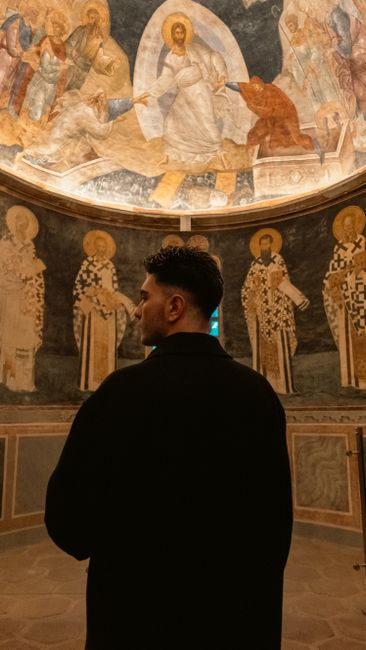
Finally, remember that interest in Byzantine art on Rhodes isn’t confined to museum displays. Churches, monasteries and active religious buildings offer the most vivid reading of this heritage. By combining official museums, municipal collections and church visits, you’ll recompose a true “Byzantine chronicle” — made of objects, gestures and places — that honors Rhodes’ cultural complexity and continuity. Safe travels and happy discoveries: may every icon you study, every mosaic you decipher and every stone you touch tell you a fragment of the island’s Byzantine story.