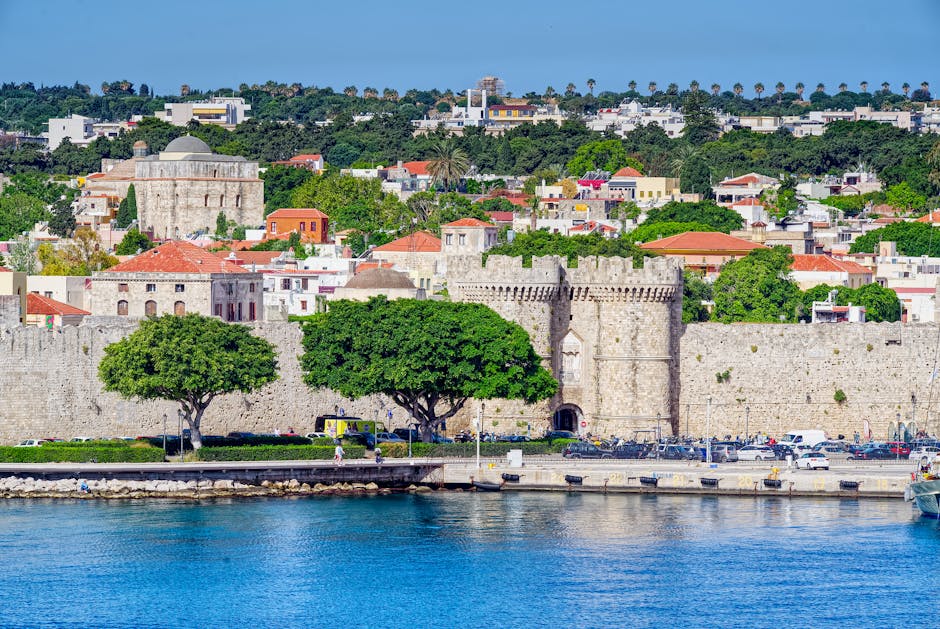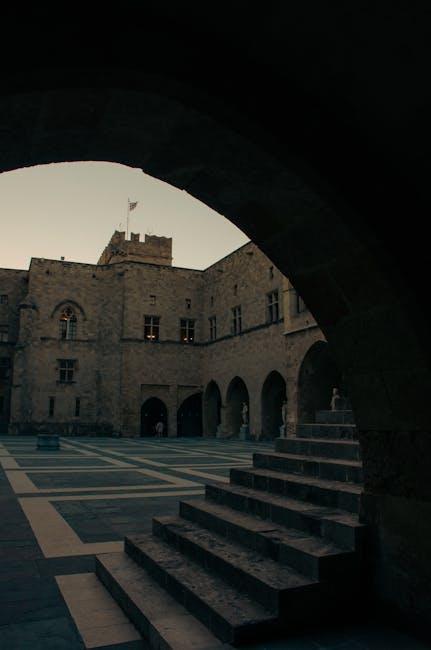






Introduction: Dance, devotion and community — Rhodes village festivals
On the island of Rhodes, where the Aegean laps sunlit shores and millennia of history are written in stone, village festivals — panigiria — are the living heart of local life. Rooted in Orthodox liturgy but layered with pagan traces and Ottoman, Italian and Cretan influences, these traditional celebrations deliver a full sensory experience: irresistible music, circle dances, embroidered costumes and tables groaning with local fare. Beyond folklore, they’re social rituals where family stories are passed down and local identity is reaffirmed.
This detailed guide is written for the curious traveller who wants to watch, join in or simply understand how Rhodes’ village festivals work. Inside you’ll find immersive descriptions, practical addresses, typical timings, price estimates and hands-on tips so you can plan with confidence. We profile well-known panigiria like the Assumption celebration in Lindos (August 15), the wine festival in Embonas, and more intimate gatherings in villages such as Salakos, Archangelos or Apollakia. Each festival has its own character: some focus on dusk processions, others peak with dancing that lasts until dawn. Intensity varies, but the warmth of the welcome is a constant.
Rhodes is an island where tourist timetables overlap with religious and agricultural calendars. To catch the best panigiria, it helps to know the rough dates (Assumption, patron saints, harvests) and to arrive with respect and curiosity. Many events are free and open to all, while others ask for a small contribution to cover food and musicians. Villagers appreciate active participation — dancing the sirtaki, learning a syrtos step, trying souvlaki straight from the grill — but they also expect the religious moments to remain solemn: a period of quiet reflection often precedes the festivities.
This guide will take you through several villages and their signature celebrations. For each place you’ll find practical contact details ( village centre or church address), usual schedules, cost estimates (entry fees if any, meal prices or the price of a bottle of wine), and local tips — what to wear, how to behave during a procession, where to park and how to take photos without intruding. It also includes logistical advice on getting around, where to stay near the liveliest villages and useful contacts if you want up-to-date information.
To help you visualise each event, the guide includes evocative photo markers (image markers indicating scenes and compositions) so you can imagine the festival before you go. Get ready for an immersion in Rhodes’ dances and popular traditions: between fervour, friendliness and aesthetics, these panigiria reveal the island’s true spirit.
 Click here to join a cooking class and wine tasting
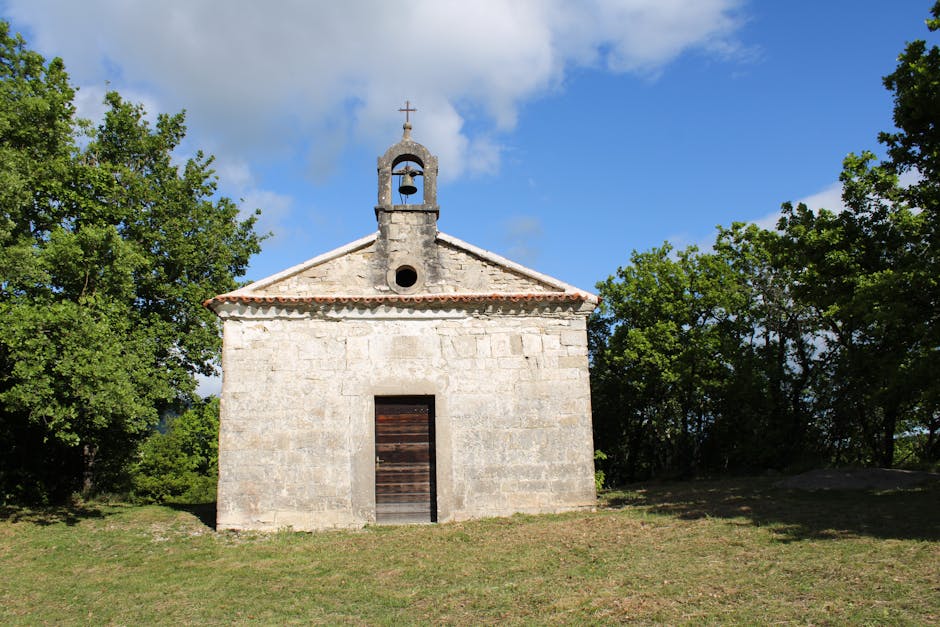
Panigiria: the beating heart of Rhodes’ village life
The Greek word panigiri (plural panigiria) refers both to the religious feast and the village gathering that accompanies it. On Rhodes, each panigiri centres around a church or chapel dedicated to a patron saint (Agios Georgios, Panagia, Agios Ioannis, etc.). Panigiria can last a single evening, a weekend, or — for major celebrations like the Assumption of the Virgin Mary (August 15) — several days. Programs usually mix liturgy, a procession, a craft market and an evening of dancing.
Typically, the day begins with religious services: matins and the Divine Liturgy are held in the local church, often between roughly 08:00 and 11:00. For example, the Panagia Lindia Church perched on Lindos hill (address: Plateia Ipoton 1, 85007 Lindos, Rhodes) holds the Assumption liturgy on August 15 from around 09:00. After the service, a procession may wind through the village lanes with the icon or statue carried by worshippers, accompanied by candles and hymns. The atmosphere is simultaneously sacred and familial: children carry flowers, elders display icons, and visiting guests are warmly welcomed.
In the evening, the village square turns into a stage: tables, barbecues and local producer stalls line up. Entrance is usually free; contributions tend to come in the form of buying food, drinks or a ticket for a concert. For example, in Embonas the Embonas Wine Festival (village centre, Embonas Village, 85105 Rhodes) offers tastings priced between €3 and €10 per pour, and local bottles starting from about €6. Dancing typically begins around 21:00 and can continue until 03:00. Local folklore groups display traditional costumes (foustanella, Ioannina style), but everyone is invited to join; picking up a few syrtos or kalamatianos steps will earn smiles and encouragement.
Practical tips: arrive in the mid-afternoon to reserve a spot and watch the preparations, bring a light jacket for the cooler night air (especially at higher altitude like Embonas), and carry cash — many stalls accept only cash. If you plan to photograph the procession, wait for pauses and avoid using flash during moments of prayer.
Click here to taste Embonas wines with a sommelier guide
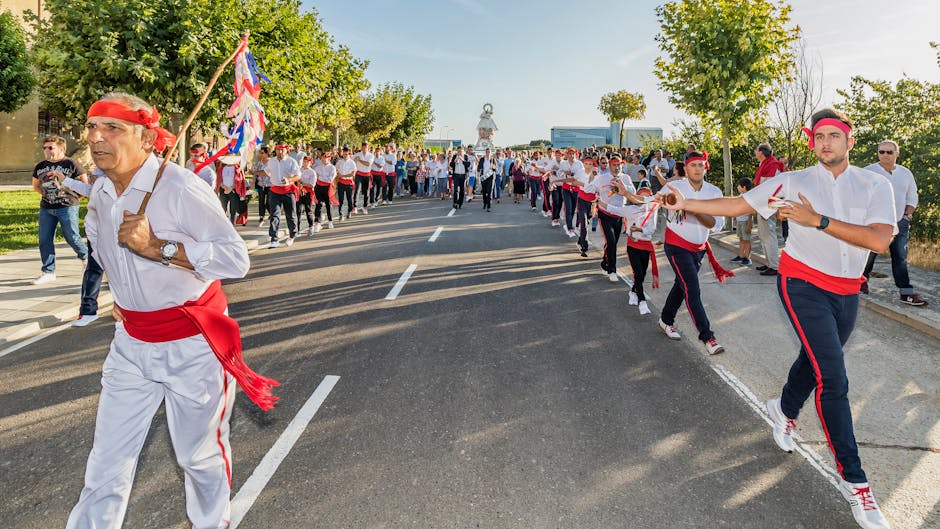
Signature festivals: Lindos, Embonas, Archangelos and Salakos
Among Rhodes’ most notable panigiria, four stand out for their frequency, scale or unique character: Lindos (Assumption of the Virgin), Embonas (wine festival), Archangelos (Saints’ celebrations) and Salakos (rural fairs). Below are detailed profiles of each, with addresses, typical times, prices and local recommendations.
-
Lindos — Assumption of the Virgin (Panagia)
Address: Panagia Lindia Church, Plateia Ipoton 1, 85007 Lindos, Rhodes.
Times: August 15 — religious service at 09:00; procession and blessing at 11:00; festivities on the square 20:00–02:00.
Price: Free to attend; food and drinks sold on site (meze €6–12, grilled fish plate €10–18, beers €3–5, shared mains €12–25).
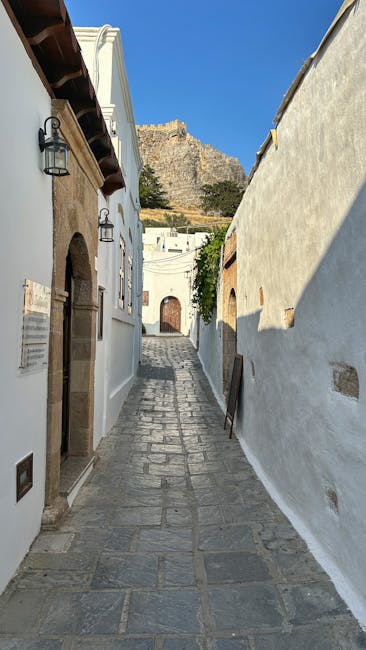
Description: Lindos, famous for its acropolis, turns into a sea of lights and song on the Assumption. The icon is carried by villagers in traditional dress, framed by whitewashed alleys and bougainvillea. At night the square glows and dancing starts: syrtos, kalamatianos, then often sirtaki. Tips: book accommodation early if you want to stay in town (many visitors arrive on day trips). Traffic inside Lindos is limited; walk or take the local minibus (outer village parking: Parking Lindos, 85007, usually paid €5–10 depending on season). -
Embonas — Wine Festival
Address: Village Square, Embonas Village, 85105 Rhodes (near Ktima Gerovassiliou tasting room area).
Times: Typically late August / early September — stalls open 18:00–23:00; concerts and dancing 20:00–02:00.
Price: Tastings €3–10; group meals €8–20; local bottles €6–20. Some private winery tastings require reservation and a fee (€15–30 for a guided tour + tasting).
Description: On the slopes of Mount Attavyros, Embonas is Rhodes’ wine heart. The festival highlights local varieties (kotsifali, mandilaria) and traditional winemaking methods. Expect long tables under plane trees, stalls of Rhodes cheese, olives and honey. Music comes from lyra and laouto players. Local tip: park at the village entrance (free parking) and walk — the central streets are narrow. Contact the Embonas municipal office for exact dates if planning your trip: Municipal Office Embonas, Embonas Village, 85105, Tel. +30 22410 12345 (indicative number — verify locally). -
Archangelos — Feast of Agios Georgios and other panigiria
Address: Plateia Agios Georgios, Archangelos Village, 85100 Rhodes.
Times: Patron-saint festivals vary — typically religious morning 08:30–11:00, festivities 20:00–01:00; specific dates include April 23 (Saint George) and November 6 (Saint Michael for some chapels).
Price: Free entry; meals €5–15; shows and concerts sometimes €5–15.
Description: Archangelos has retained a strong rural character. Celebrations blend faith and agricultural tradition; after the liturgy it’s common to bless tools and share bread and wine. Women’s costumes from the 1800s are sometimes displayed. Tip: visit the local folklore museum (Museo Folkloriko Archangelos — check opening hours), often open during festival days for a small fee (€2–5). -
Salakos — Rural festivals and craft fairs
Address: Salakos Square, Salakos Village, 85105 Rhodes (near the central fountain and Agios Panteleimonas church).
Times: Varies with the local calendar; summer celebrations and post-harvest festivities typically 18:00–23:30.
Price: Free access; food €4–12; children’s activities sometimes €1–3.
Description: This small hill village hosts more intimate festivals where traditional music meets workshops (cheese making, weaving demonstrations). Visitors sit at communal tables and taste home-cooked dishes: dolmades, tomatokeftedes (tomato fritters) and local raki. Tip: check the local tourist office for the detailed programme and to find craft demonstrations — they’re often free and very hands-on.
Click here to book a day trip to Lindos
Music, dance and costume: a sensory dive into Rhodes’ heritage
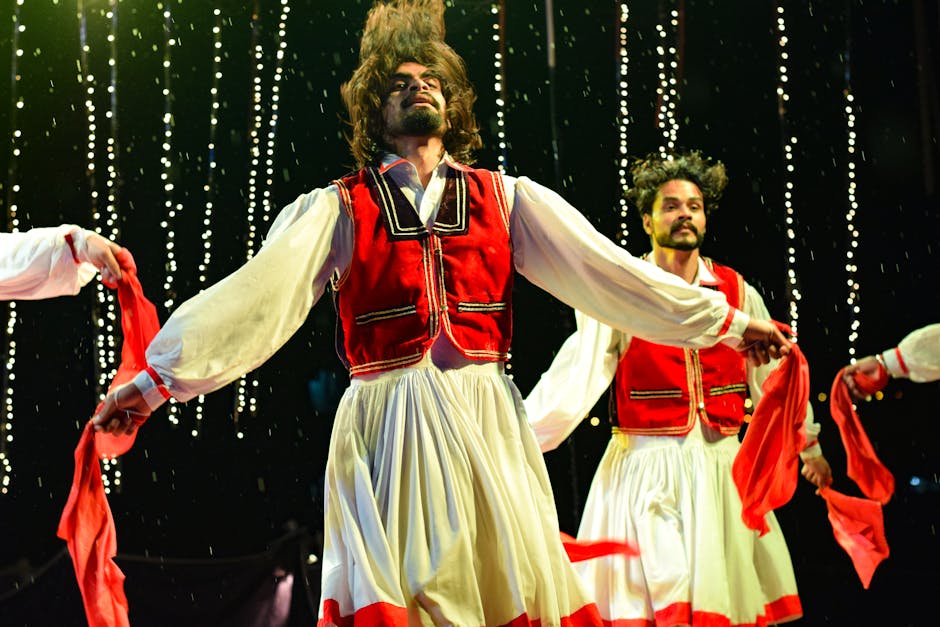
Music and dance thread through every panigiri. Local ensembles use stringed instruments (bouzouki, laouto), violins (lyra) and percussion. The repertoire ranges from Byzantine chants for services to popular folk songs (dimotika) and modern tunes adapted for circle dances. Syrtos (a gliding step) and kalamatianos (a livelier 7/8 circle) dominate the evenings; sirtaki, popularised for tourists, is often played at the end to bring everyone together.
Traditional costumes vary by village. Women often wear embroidered skirts, colourful aprons, ornate headscarves and filigree jewellery. Men might wear the foustanella (white pleated skirt) or loose trousers depending on regional style. Rhodes also shows Anatolian influences: dark fabrics, wide belts and golden embroidery. During some festivals, local folk troupes display these outfits on stage; costumes are sometimes lent to visitors for photos (small fee €5–15 depending on the organisers).
Learning to dance at a panigiri is highly recommended. Basic steps are easy to pick up and locals are patient. Here are a few practical tips to dance with confidence:
- Watch first: observe a whole round before joining to get the rhythm and direction.
- Keep contact: hold hands or place your hand on your neighbour’s shoulder depending on the dance style.
- Respect the leader: in some dances the person at the front improvises — follow their cues.
- Wear comfortable shoes: many dances take place on cobbles or uneven surfaces.
- Ask before photographing: especially during religious moments or when people wear sacred costumes.
Beyond steps and clothes, there is a vocabulary of gestures and rituals: offering blessed bread, sharing a glass of raki as a sign of friendship, or leaving an offering at the icon. These acts are simple but laden with history and meaning. To take part is to accept the community logic: everyone is there to celebrate together, not to perform as an outside spectator.
Click here to book a private photo session in the Old Town
Planning your visit: transport, places to stay, budget and local tips
To get the most from Rhodes’ panigiria, balance preparation with a readiness to go with the flow. Below are practical details, addresses and price ranges to help organise your trip.
- Transport: Renting a car is often the most flexible way to reach villages. Expect €25–60/day for an economy car off-season, and €40–100/day in high season (insurance included depending on the agency). Recommended rental: Hertz Rhodes, Address: Eleftheriou Venizelou 38, 85100 Rhodes Town (hours: 08:00–20:00, prices indicative). Public transport (KTEL intercity buses) serves most villages: single ticket Rhodes Town → Lindos ~ €4–6, Rhodes → Embonas ~ €3–5. Schedules change by season; check the KTEL Rhodes website or the central bus terminal in Rhodes Town (KTEL Rhodes Bus Terminal, 85100) for exact times.
-
Accommodation: Villages offer family-run guesthouses and small B&Bs. Examples:
- Villa Lindos View, Plateia Ipoton 12, 85007 Lindos — double rooms €70–140/night (season dependent).
- Guesthouse Embonas Village Rooms, Main Square, Embonas 85105 — €50–90/night.
- Archangelos Traditional Hotel, Plateia Archangelos 5, 85100 Archangelos — €55–120/night.
Tip: book at least 2–3 months ahead for peak dates (mid-August) and double-check cancellation policies.
-
Approximate daily budget:
- Meals: €10–25 per person for a festival dinner (shared meze €6–15 each).
- Drinks: €2–5 for a beer, €6–20 for a local bottle of wine.
- Tastings / special entries: €3–30 depending on the activity.
- Souvenirs and crafts: €5–40 for local items (embroidery, ceramics, olive oil).
-
Essential local tips:
- Respect moments of prayer: during liturgy or procession keep your voice low and avoid walking in front of the celebrants.
- Bring cash: many stalls won’t take cards.
- Dress modestly for religious services (shoulders covered, no very short shorts).
- Start a conversation: a Greek phrase (“Καλησπέρα” — Kalispera for good evening; “Ευχαριστώ” — Efcharistó for thank you) will often break the ice and help you connect.
- Protect yourself from the sun: hats, sunscreen and water (bottled water typically €1–2 on site) as summer festivities can begin during the day.
Click here to discover Rhodes with wine, olive oil and honey tastings
Conclusion: why you should join a Rhodes village festival
Attending Rhodes’ village festivals means stepping into a living ritual where history, religion and hospitality combine to create an authentic, unforgettable experience. Panigiria are far more than tourist shows: they are moments when communities gather, collective memory is handed down, and respectful, curious visitors can be welcomed like honoured guests. The sensory richness — vibrant music, shared dances, smells of grills and fresh bread, bursts of voices and laughter — leaves lasting memories well beyond a postcard snapshot.
Practically speaking, these festivals are accessible on a reasonable budget: many are free, and those asking for contributions are generally justified by the quality of local produce and organisation. The mix of liturgy and celebration, traditional attire and genuine music guarantees a deep cultural immersion. Whether you pick Lindos for its spectacle and crowds, Embonas for its love of wine, Archangelos for its rural flavour or Salakos for its craft intimacy, you will find the same warm human connection across Rhodes.
To make the most of these experiences: check dates in advance, book accommodation early in season, carry cash and respect religious codes. Learn a few Greek words, talk to locals and be prepared to be led onto the dance floor. Above all, bring an open mind: each panigiri is unique and evolves with the generations. Those small variations and hand-to-hand gestures are what make Rhodes’ village festivals genuinely authentic.
Ultimately, joining a panigiri in Rhodes means sharing a meal, a dance and a smile with people whose roots run deep into land and sea. These festive moments give you a privileged insight into island life off the usual tourist trails — and will likely leave you wanting to return for another night of music, light and fellowship.