





Introduction: Why the Rhodes Archaeological Museum Is a Hidden Gem Worth Visiting
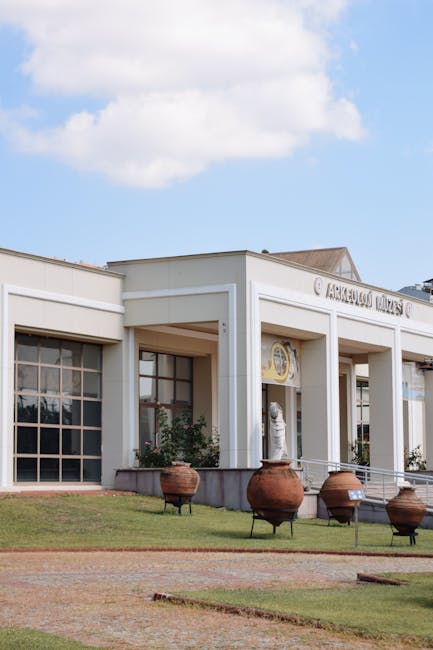
The Rhodes Archaeological Museum, housed in the imposing Hospital of the Knights on the island of Rhodes, is one of those spots that stops the attentive traveler in their tracks. Tucked into the heart of the medieval Old Town — a UNESCO World Heritage site — the museum brings together centuries of island history, from prehistory through the Byzantine era, showcasing objects that speak of everyday life, cults, warfare and Aegean trade. Unlike the big national museums that draw crowds, the Rhodes museum retains an intimate atmosphere: you wander it almost like an old house, with rooms that don’t overwhelm the eye and leave space for quiet contemplation.
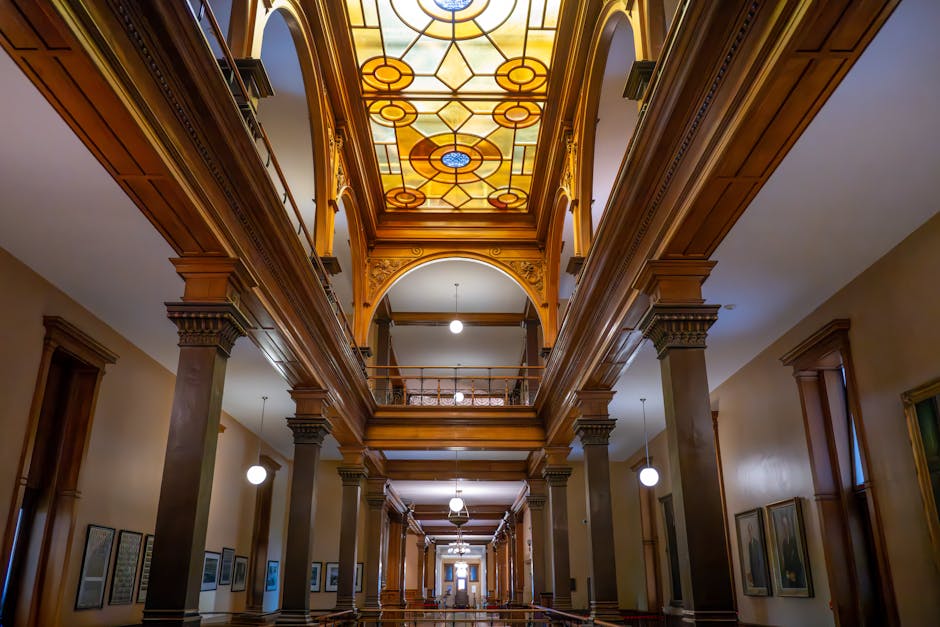
For the curious traveler, it’s a place to discover at a measured pace. The stones of the Hospital of the Knights themselves form the backdrop: vaulted corridors, vast Gothic halls and cloistered spaces where low light highlights reliefs and mosaics. Display cases don’t smother the objects, they stage them — a shy Hellenistic figurine, thin jewelry smoothed by centuries, ceramics with marine motifs, and floor mosaics with still-vivid tesserae. Each artifact opens a window onto a time and a story: wonder comes from proximity, from the detail of a pot, a barely visible graffito, or an inscription that speaks directly of daily life.
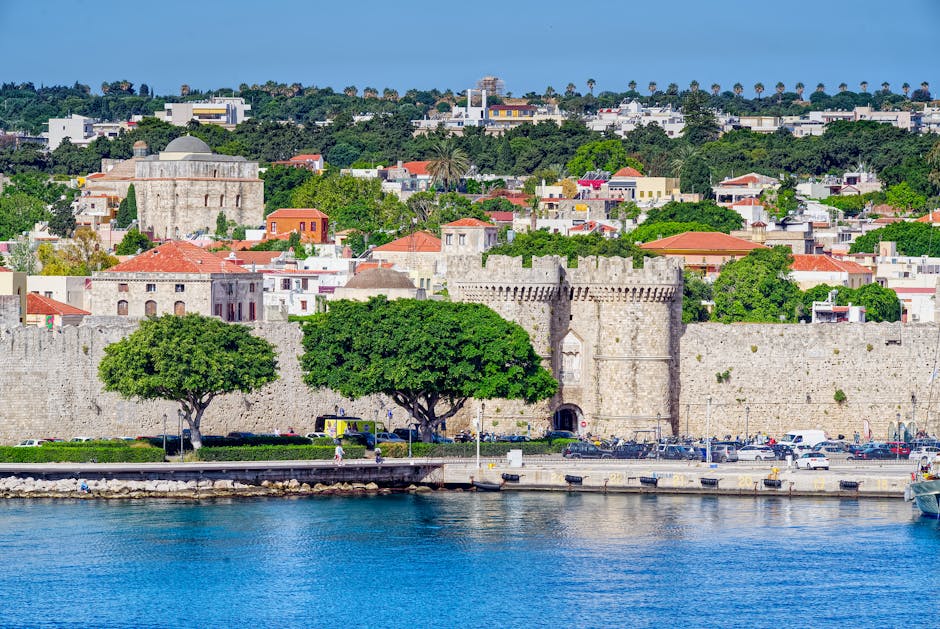
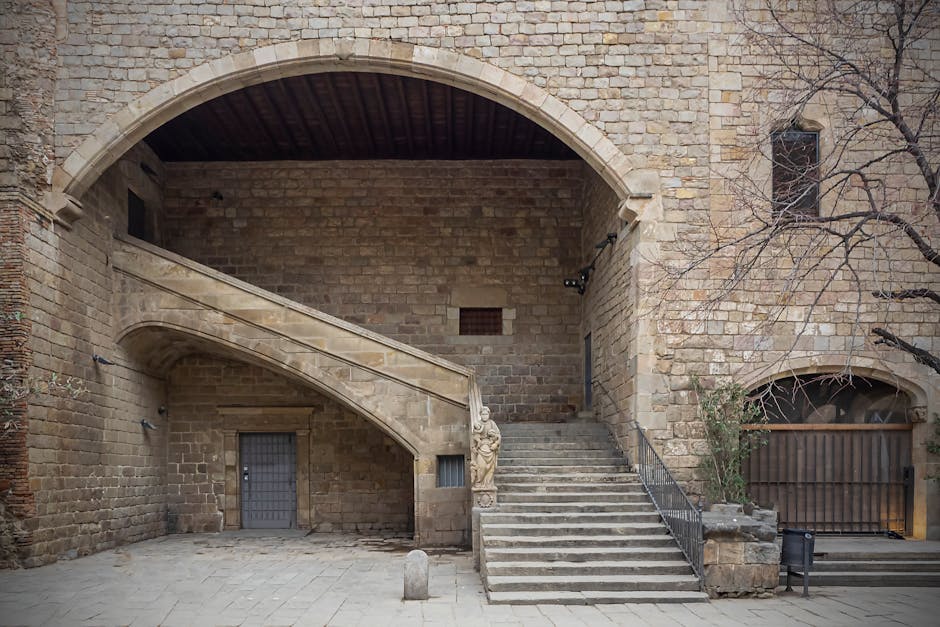
Visiting this museum is also a way to understand Rhodes differently: beyond the visible fortifications you see from the harbor and the beaches that draw summer crowds, the island was a crossroads between East and West, shaped by Dorian, Ionian, Roman, Byzantine and medieval influences. The museum’s collections cover this rich cultural palette and offer concrete anchors — place names, artifact types, social functions — that help read the island through an archaeological lens. For photographers and architecture lovers, the museum shell is a subject in itself: the Knights’ Hall, the ceremonial courtyard, and Gothic portals are all striking visual motifs.
Finally, beyond the objects, the visit is enriched by practical local tips: go early in the morning to avoid summer heat and tour groups, combine the visit with a coffee on Hippocrates Square or a stroll down the Street of the Knights (Ippoton), and allow 90 to 120 minutes for a calm exploration. The museum lends itself well to thematic visits — mosaics, funerary sculpture, jewelry — rather than a rushed chronological tour, which helps you absorb details and feel the historical atmosphere of Rhodes.
 Click here to discover Rhodes’ Old Town with a guide
Click here to book a photoshoot in the Old Town
The 10 Masterpieces of the Rhodes Archaeological Museum
1. The “Nile Scene” Mosaic (Hellenistic Nile scene)
Where to find it in the museum: Mosaic Room, Rhodes Archaeological Museum, Medieval Castle (Hospital of the Knights), Ippoton & Apollonos, Medieval City, Rhodes 85100, Greece. The information panel often notes its origin: found in a Roman villa on the island or brought in from nearby sites depending on excavation campaigns. Admission to access the room: general museum ticket €6 (full price), reduced €3 (students, seniors and groups with ID). Typical opening hours: April to October 08:00–20:00, November to March 08:00–15:00; check seasonal hours before your visit as times may change on Sundays or public holidays.
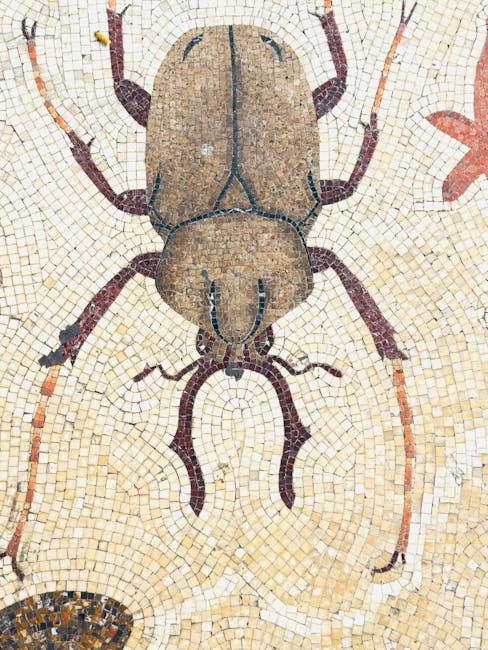
The so-called “Nile Scene” mosaic impresses with its pictorial storytelling. Set on a floor of polychrome tesserae, you can make out exotic figures, stylized palms, aquatic animals and votive offerings — a microcosm of how Romans imagined Egypt as a distant, fertile, mythic land. The well-preserved tesserae reveal a palette of blues, greens, ochres and blacks with subtle gradations, evidence of a local workshop inspired by Eastern studios. The play of shadow and light in the display room emphasizes relief and pattern, letting you read the composition as a window into the past.
Practical tip: move in slowly and study the borders and floral motifs — often the small domestic vignettes tucked in the corners tell more than the central scene. Photograph with a wide-angle lens if allowed (ask staff) to capture the whole work, and pick up a museum floor plan at reception to understand the piece’s archaeological context. Allow 20–30 minutes to appreciate all the mosaic’s subtleties.
2. Hellenistic Funerary Stele — Inscription and Iconography
Location: Stelae and Inscriptions Room, Rhodes Archaeological Museum, Hospital of the Knights, Ippoton 2, Rhodes 85100. Access with the same ticket (full €6 / reduced €3). Hours: generally 08:00–20:00 in high season and 08:00–15:00 in low season; closed on certain holidays — check the official site or the local tourist office.
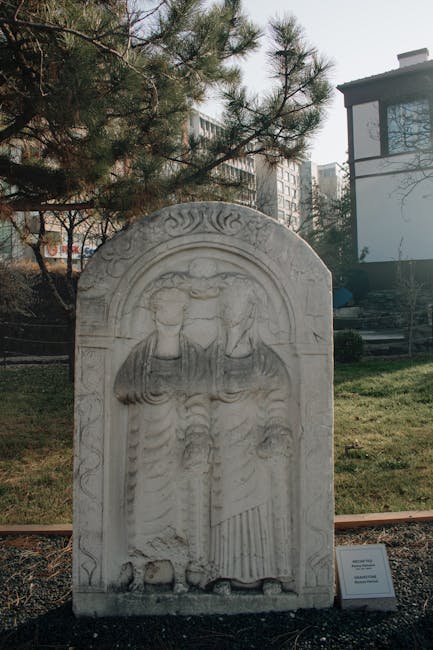
The funerary stelae in the museum are among the most moving exhibits. Cracked by time, they bear inscriptions carved in ancient Greek and reliefs depicting domestic scenes or funerary symbols — baskets of offerings, draped female figures, stylized ships to symbolize the journey to the afterlife. This Hellenistic stele stands out for the finesse of its relief and the clarity of its epigraphy: the text, translated into several languages on the label, reveals names, ages and sometimes professions, offering a direct connection to real people.
On-site advice: take the time to read the transcription and translation; they change your perception of the stone from a mere object to an ancient voice. If you read Greek, look for case endings and compare spellings — you’ll see how writing evolves across centuries. Note the patina and breaks too: they tell the story of material reuse on the island, often repurposed in medieval buildings. A careful visit takes around 15–25 minutes per stele if you want to dig deeper.
3. Kamiros Mosaics — Scenes of Daily Life
Placement: Mosaic and Domestic Objects Gallery, Rhodes Archaeological Museum, Ippoton Street, Rhodes 85100. Admission: €6 / €3 reduced. Standard hours: 08:00–20:00 (Apr–Oct), 08:00–15:00 (Nov–Mar). Plan to visit early in the morning to enjoy soft light, especially if you’re photographing.
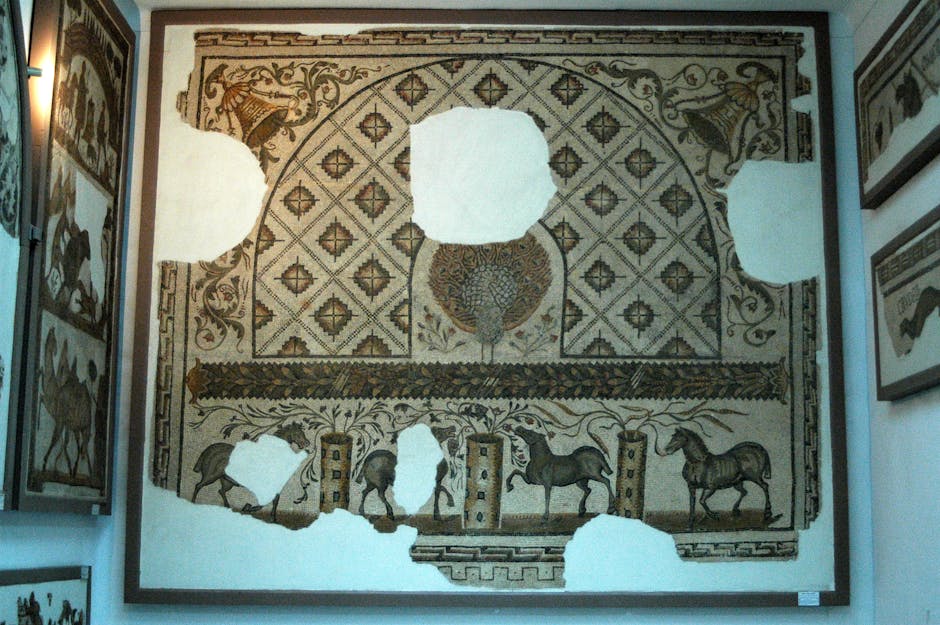
The mosaics brought from Kamiros — one of Rhodes’ ancient cities — are snapshots of daily life: agricultural scenes, household meals, herding animals and geometric patterns decorating wealthy homes. What strikes you is the variety of themes: the decorative gives way to almost « journalistic » images of ordinary life. Mosaic artists used tesserae to create depth and texture effects capable of conveying the nature of objects (a basket, an animal hide) with surprising realism.
Tips: follow the chronological path provided by the labels to understand the technical evolution of mosaics. Labels often note the exact discovery spot (house ruins, courtyard, pavilion) — details that help imagine domestic circulation. For families, turn the visit into a game: spot animals, household items, or count the colors. Allow 30–40 minutes if you plan to compare several panels and read their notices.
4. Fragmentary Statue of Aphrodite or a Female Deity
Location: Sculpture Hall, Rhodes Archaeological Museum, Medieval City, Ippoton 10, Rhodes 85100. Fees: €6 / €3 reduced. Hours: 08:00–20:00 in summer; 08:00–15:00 in winter; avoid late afternoons in high season for better light conditions when examining details.
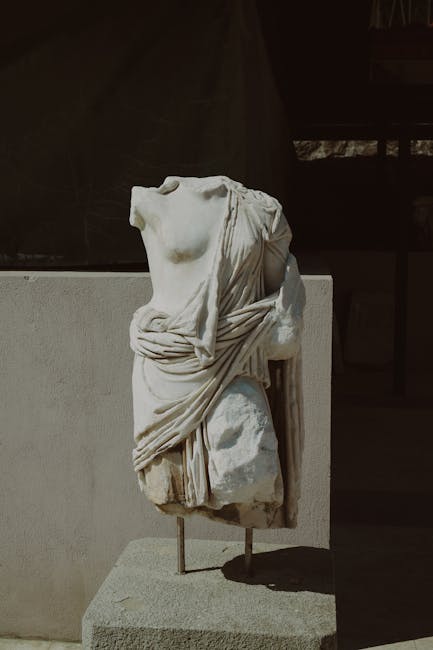
Among the sculptures, a fragmentary statue of a goddess — often identified as Aphrodite — is a masterpiece of restraint. Sometimes only the torso or head survives, but the marble work reveals a naturalistic approach: soft transitions in musculature, delicate folds of drapery, the suggestion of a gaze or gesture now lost. The very absence becomes part of the emotion: visitors mentally complete the missing form, reconstruct the original posture and imagine the cult context where the statue once stood.
Observation tips: look for tool marks and patina — earlier restorations are often documented on the labels. Curators sometimes indicate provenance — sanctuary, tomb, palace — key information for understanding the work’s religious or decorative function. If you like details, ask staff whether publications or detailed reproductions are available in the museum shop. Count on about 20 minutes for a focused contemplation.
5. Hellenistic Bronze — Figurines and Military Gear
Where: Metals and Weapons Room, Rhodes Archaeological Museum, Ippoton & Apollonos, Rhodes 85100. Entry fees: general admission €6, reduced €3. Typical hours: 08:00–20:00 in high season; 08:00–15:00 in low season. Metal objects often require specific lighting — rooms are dimmed to reduce oxidation and to highlight bronze tones.
Bronzes are among the most immediate fragments from the past because metal preserves evidence of manufacture and use: spear points, helmets, fibulae and small votive figurines. The museum’s Hellenistic collection displays offering statuettes, animal protomes and military equipment — a patinated Corinthian helmet, a short blade with engraved decoration. The greenish sheen of corroded bronze contrasts with pale plinths, creating a powerful visual effect. These objects tell of technology, the metal trade and ritual practice (votive offerings left in sanctuaries).
Practical advice: respect fragility — avoid using flash. Move closer to read small inscriptions and foundry marks that sometimes reveal a maker’s signature. Local museums sometimes run workshops or talks on bronze-working — ask at reception if you want to learn more. Allow 25–35 minutes if you’re into ancient metallurgy.
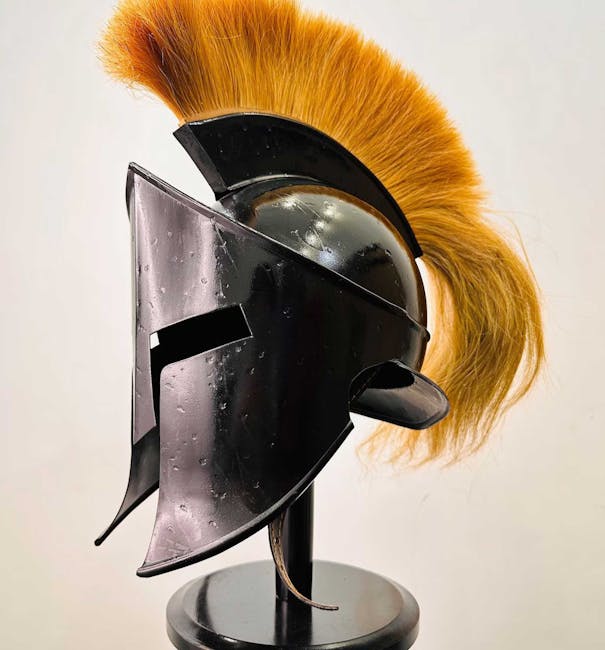
6. Jewelry and Adornments — Hellenistic and Roman Goldsmithing
Location: Jewelry Display Case (Ground Floor), Rhodes Archaeological Museum, Ippoton 5, Rhodes 85100. Admission: €6 / €3 reduced. Hours: 08:00–20:00 (Apr–Oct), 08:00–15:00 (Nov–Mar). Cases are climate-controlled to preserve metals and gemstones.
The displayed jewelry offers moments of pure dazzlement: filigree bracelets, intricately chased gold pendants, drop earrings and decorated fibulae. These pieces reveal as much about taste as about social status and trade networks — the presence of eastern stones points to long-distance exchange routes. The finesse of techniques (granulation, filigree) attests to specialized workshops and high levels of craftsmanship.
Tips: examine pieces with a loupe if the museum provides one, or ask for the illustrated catalogue. Labels often list material, technique, dating and sometimes the grave or context of discovery. If you’re traveling with luggage, note reproductions or inspired jewelry available in the museum shop — a respectful souvenir compared with questionable imitations sold elsewhere. Allow 20–30 minutes for this section depending on your interest in goldsmithing.
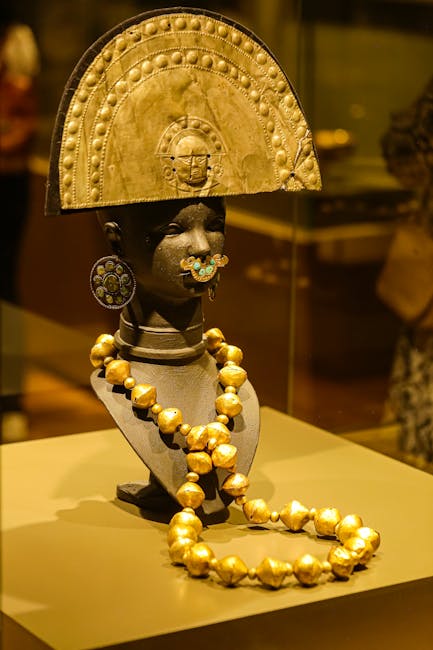
7. Roman Sculpted Sarcophagus
Location: Tombs and Sarcophagi Room, Rhodes Archaeological Museum, Ippoton 12, Medieval City, Rhodes 85100. Access: included with the general ticket (€6 / €3). Hours: 08:00–20:00 in high season; 08:00–15:00 in low season. Sarcophagi are often under extra surveillance; follow staff instructions regarding photography.
The Roman sarcophagus in the room is notable for its high-reliefs depicting mythological scenes — heroic combats, funerary banquets and funeral processions. The iconography mixes local motifs with pan-Hellenic themes, and the abundance of detail lets you study fashion, weaponry and furnishings of the era. Looking along the sides of the sarcophagus, you can see repeated motifs that served both to tell a story and to assert the deceased’s status.
Visiting tip: use the labels to reconstruct the iconographic narrative; some scenes are meant to be read right-to-left. If you’re into epigraphy, search for dedications on the body or underside — they may reveal the owner’s name and social rank. Allow 30–40 minutes if you want to study the reliefs in detail and consult publications available in the shop or at the municipal library.
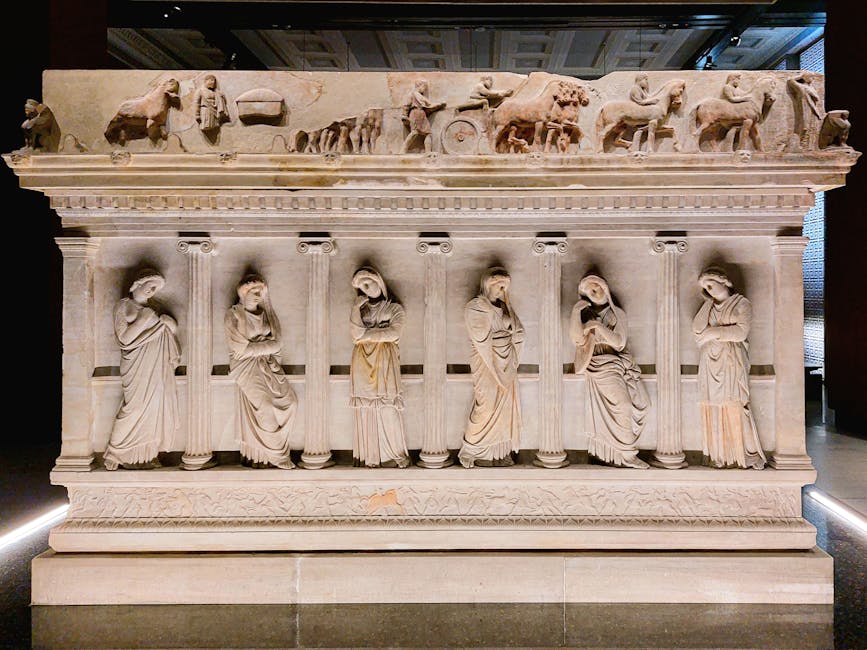
8. Byzantine Sculptures and Icons — Cultural Transition
Location: Byzantine Gallery, Rhodes Archaeological Museum, Ippoton & Orfanidou, Rhodes 85100. Access: standard ticket €6, reduced €3. Typical hours: 08:00–20:00 in summer, 08:00–15:00 in winter; some objects may be moved for temporary exhibitions.
The Byzantine collection illustrates Rhodes’ cultural shift from late antiquity to the Middle Ages: painted icons, fragments of painted plaster and small religious sculptures. Here the Eastern tradition blends with ancient traces: codified faces, frontal holy figures and a color palette of ochre and celestial blue. These works help explain the persistence of beliefs and how local communities adapted ancient heritage to a new religious vocabulary.
Tips: respect distance and dim lighting — these works are fragile. Read the labels to spot restoration interventions and scientific analyses of pigments. Visitors interested in iconography can sometimes attend museum talks; inquire at reception. Allow 20–30 minutes for a thorough visit to the Byzantine gallery.
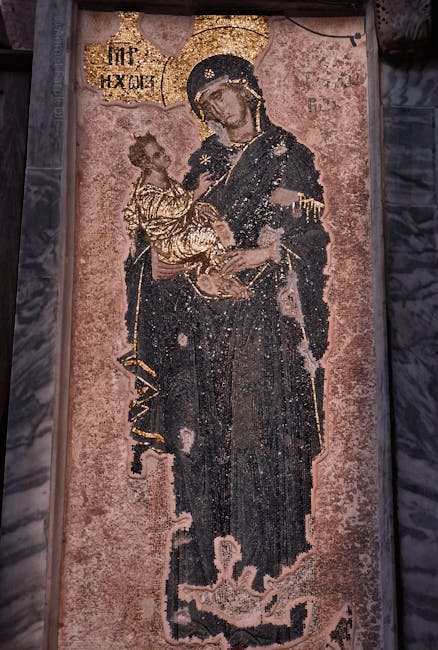
9. Architectural Fragments and Corinthian Capitals
Location: Courtyard and Architectural Fragments Room, Rhodes Archaeological Museum, Ippoton 7, Rhodes 85100. Admission: included with the ticket (€6 / €3). Hours: usually 08:00–20:00 in summer, 08:00–15:00 in winter; the courtyard is pleasant in the late afternoon.
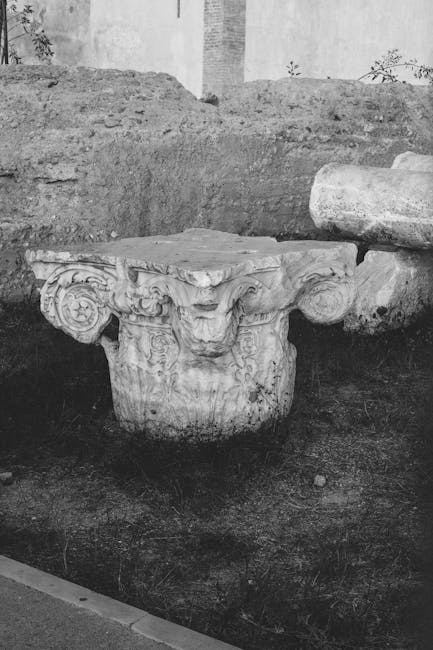
The Corinthian capitals, column bases and cornices on display show Rhodes’ architectural wealth across eras. Some elements come from temples, agoras or public buildings, and their ornamentation (acanthus leaves, volutes) reveals the level of decoration and technical sophistication. Seeing fragments side by side lets you perceive stylistic evolution and the external influences — Roman and Eastern — that shaped the island’s built environment.
Practical tip: the museum courtyard is an excellent place to view the fragments outdoors and take photos without flash. Wear comfortable shoes if you plan to read the labels scattered through the garden. Ask reception if there’s a provenance map to understand which monument supplied each fragment. Allow 20–30 minutes for this architectural exploration.
10. Temporary Exhibitions and Restored Pieces — A Look at Ongoing Projects
Location: Temporary Exhibition Room, Rhodes Archaeological Museum, Ippoton 1, Rhodes 85100. Price: access included with the standard ticket (€6 / €3), sometimes special exhibitions carry a supplement (noted at the entrance). Hours: 08:00–20:00 in high season; 08:00–15:00 in low season. Temporary shows change with the museum’s scientific programming; check the official website before visiting.
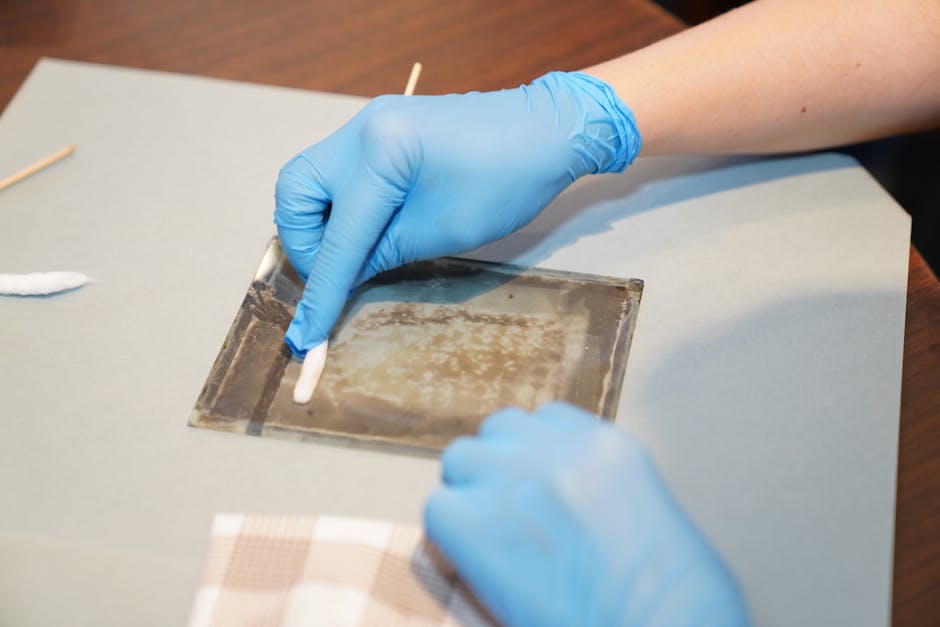
Temporary exhibitions are a great way to see recent restorations or loans from other museums. They often take a thematic angle — the rediscovery of a sanctuary, ancient crafts, or objects from recent island excavations. These spaces also reveal conservation work behind the scenes: posters, before/after photos and explanations of restoration methods. For visitors, it’s an opportunity to understand how objects arrive at the museum, how they’re treated and how history keeps being rewritten.
Tips: don’t miss the museum shop, which often carries exhibition catalogues useful for continuing the experience at home. If you’re really into it, ask about lectures or guided tours led by restorers — they offer a unique technical perspective. Allocate 30–45 minutes depending on the exhibition’s scope.
Conclusion: Visiting the Rhodes Archaeological Museum — Practical Tips and Suggested Itinerary
The Rhodes Archaeological Museum is far more than a collection of ancient objects: it’s a living place that translates the long history of an island crossroads. To make the most of your visit, here’s a suggested itinerary and practical advice. Arrive early in the morning (or late afternoon outside the hot season) to avoid crowds; the museum typically opens at 08:00 (high season 08:00–20:00, low season 08:00–15:00) and you can comfortably tour it in 1.5 to 2 hours. The standard ticket is around €6 (full price) and €3 for reductions — fees can change according to the Greek Ministry of Culture’s policy; keep your receipt, it may grant discounts at other archaeological sites on the island.
Plan your visit in two stages: start in the grand hall of the Hospital of the Knights (the museum’s historic setting), then follow a chronological route or, even better, pick a few themes — mosaics, bronzes, sarcophagi — based on your interests. Take a break in the museum’s inner courtyard: it’s a peaceful moment in the heart of the medieval Old Town. Audioguides and multilingual brochures are often available; ask at reception if you want to contextualize each piece without reading every label on site.
Getting there: the museum sits in the Old Town core — a handy address for GPS and taxis — Museum of Archaeology Rhodes, Medieval City, Ippoton & Apollonos, Rhodes 85100, Greece. Parking can be tricky: it’s best to leave your car at the harbor parking or use lots outside the walls and walk in. Wear comfortable shoes: cobbled streets and ancient floors demand attention. Finally, respect museum rules (no touching, flash sometimes prohibited) to help preserve these treasures. Before you leave, stop by the museum shop for an illustrated catalogue — a great way to extend the visit and deepen your knowledge of what you saw.
Click here to discover the medieval town while sampling local wine
In short, the Rhodes Archaeological Museum deserves a spot on every visitor’s list who wants to understand the island beyond its beaches and walls: it offers a rich, accessible and often moving synthesis of the past. Whether you’re into art, history, architecture or just curious, you’ll leave with a clearer sense of the cultural layers that shaped Rhodes. And keep the spirit of discovery alive: the Old Town next door, the Street of the Knights (Ippoton), and the harbor complete the visit with views, flavors and atmospheres that keep the archaeological story going.