





Introduction
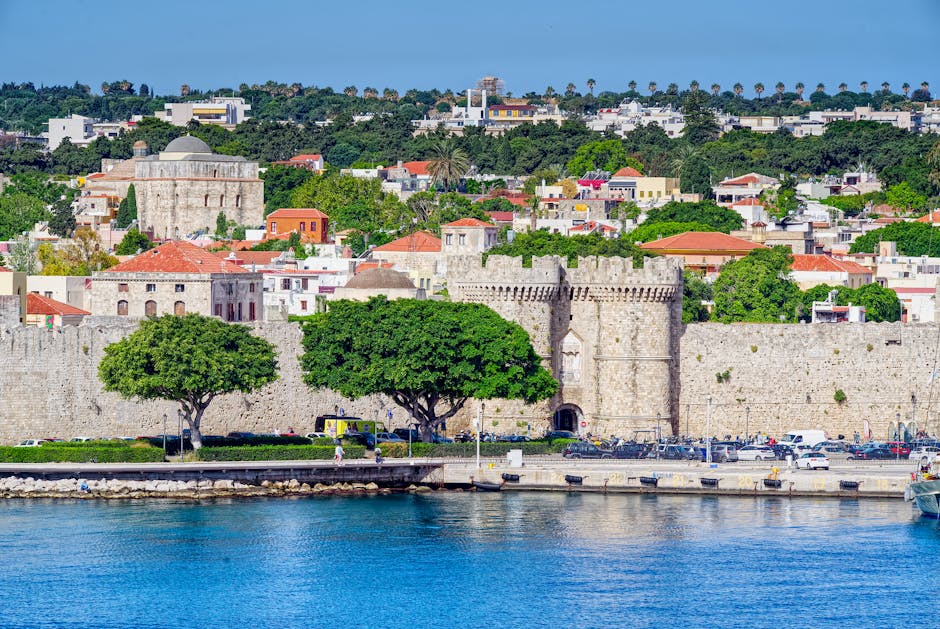
Nestled in the heart of Rhodes’ medieval Old Town, protected by ancient walls and cobblestone lanes that still whisper of bygone centuries, the Byzantine Museum of Rhodes opens a window onto a profoundly religious and artistic past. For curious travelers, lovers of sacred art, or anyone seeking authentic atmosphere, this museum offers a full immersion into Byzantine art — a time when faith, power and aesthetics merged to create intensely expressive works. The serene faces of icons, the delicately assembled mosaic tesserae, and the gold and silver liturgical objects each tell a story: of communities, offerings, prayers, wars and rebuildings.
Arriving in Rhodes, you quickly notice the contrast between the lively seaside buzz of the modern quarters and the almost sacred calm of the medieval streets. The Byzantine Museum sits right at that crossroads: close enough to major tourist sites like the Palace of the Grand Master, yet tucked away enough to allow a contemplative visit. Visitors encounter explanatory panels, detailed labels and, above all, original pieces in excellent condition that reveal the techniques and materials — pigments, gold leaf, glass tesserae — used by artisans working centuries ago.
More than a repository of old objects, this museum is a living place where local history is told through liturgical items and donations from Greek families and church institutions. It’s common to run into researchers, art history students or priests consulting manuscripts or examining icons before restoration. For the passing visitor, the visit becomes a narrative walk: changing styles, Western influence after the Crusades, the endurance of Orthodox traditions after Ottoman rule — all of this comes to life in the rooms, display cases and information panels.
This guide is designed to walk you through the museum step by step: history, collections, practical tips, suggested routes and local recommendations to get the most from a visit to the Byzantine Museum of Rhodes. It includes exact addresses, opening hours, ticket prices in euros and tricks to avoid peak times or combine the visit with other island highlights. Expect to enter a world of deep colors, shimmering gold and images that, despite the centuries, still seem inhabited by prayer and memory.
 Click here to book a guided tour of the Old Town
History and Significance of the Byzantine Museum of Rhodes
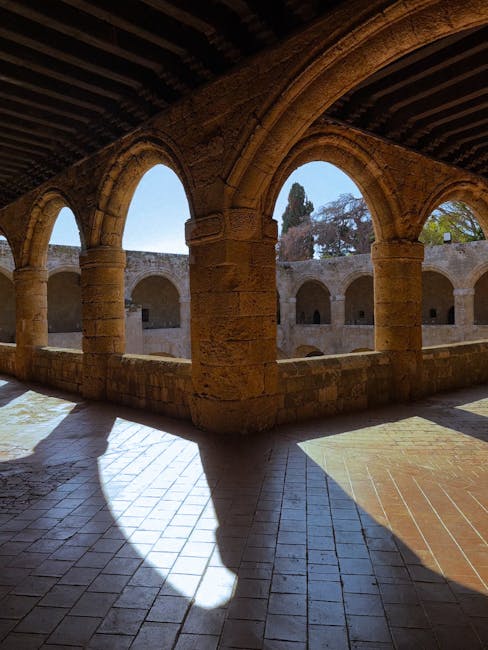
The Byzantine Museum of Rhodes holds a special place in the island’s cultural landscape. Its story is closely tied to the Old Town — a UNESCO World Heritage ensemble — where Byzantine, Gothic, Italian and Ottoman influences intertwine. The museum itself was formed from collections gathered by the local Orthodox Church and from excavations across the island. Many pieces come from rural churches, monasteries and abandoned chapels that, over the centuries, entrusted their treasures for preservation and study.
The museum’s value lies as much in the artistic quality of the works as in their documentary importance. The icons, for example, testify to local schools that are often little known: workshops in Rhodes and the Dodecanese developed distinctive styles, mixing traditional Byzantine elements with Western influences introduced by the Knights of Rhodes and later by Fascist Italy between the wars. The mosaics reveal liturgical and ornamental motifs — palmettes, scrolls, gospel scenes — that help reconstruct the iconography of vanished churches.
Safeguarding these treasures has not always been straightforward. Wars, Ottoman occupation and administrative changes exposed these objects to the risk of dispersal and loss. Establishing a dedicated museum was a clear local response to protect this heritage. Today, the Byzantine Museum of Rhodes plays a vital educational role: it collaborates with universities, promotes restoration programs and stages temporary exhibitions that highlight particular aspects of Byzantine culture. These initiatives keep a living dialogue between past and present, between Rhodes’ residents and international visitors.
Visiting this museum is therefore more than looking at precious objects; it’s taking part in heritage preservation. The explanatory panels, in Greek and English, place each piece in its historical and liturgical context, while labels detail materials and techniques. For the history enthusiast, it’s a hands-on lesson in how skills were transmitted and how sacred art served as a marker of cultural identity through the ages.
Click here to join a seaside mosaic workshop
Main Collections: Icons, Mosaics and Liturgical Objects
The rooms of the Byzantine Museum of Rhodes display a remarkable variety of items: icons on wood and panels, recovered wall and floor mosaics, funerary stelae, embroidered liturgical vestments, chalices, censers and reliquaries. Each section is organized to follow a chronological and thematic route, making it easier to understand stylistic evolution and the liturgical use of the displayed pieces.
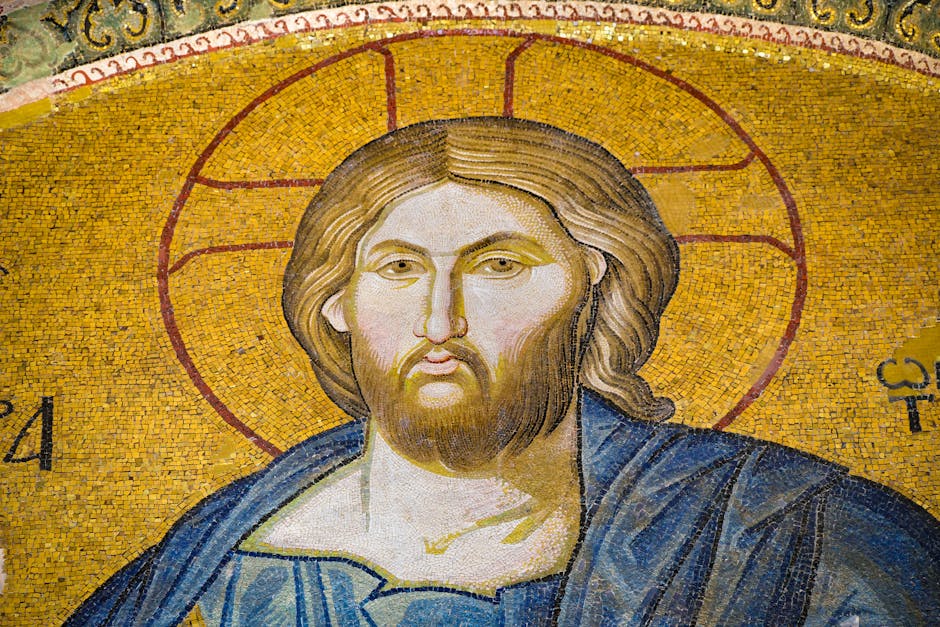
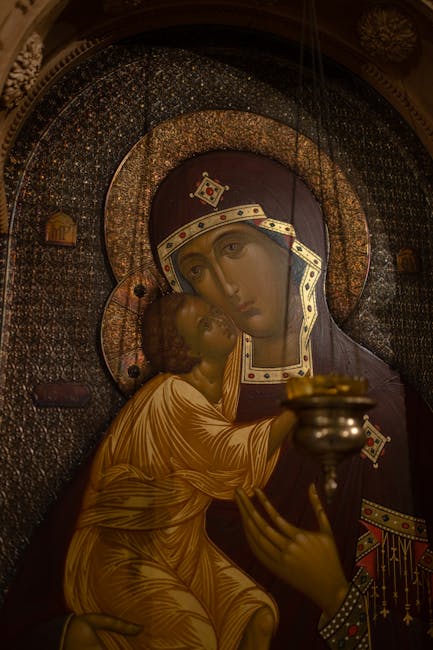
Icons are the heart of the collection. You’ll find depictions of the Virgin and Child, Christ Pantokrator, local saints (for example Saint Nicholas, patron saint of sailors, or Saint John the Theologian) and narrative panels illustrating Biblical episodes. Techniques vary: tempera on wood, gold leaf gilding, protective varnish. Some icons date from the 14th and 15th centuries and show layers of overpainting or successive retouches — details that specialists notice but which attentive visitors can also pick up, revealing a continuity of use and human intervention.
The mosaics on display reveal meticulous workmanship where glass, marble and sometimes semi-precious stone tesserae combine to render religious scenes or decorative motifs. Floor mosaics, often uncovered during excavations in churches and rural villas, show a taste for geometric and symbolic composition. The museum’s conservators have applied modern consolidation methods to stabilize these fragments and present them in a way that respects their integrity.
The liturgical objects section is a true treasure trove: patens, chalices, censers and processional crosses — often hammered silver and gilded — attest to the material wealth of Rhodes’ ecclesiastical communities. Some pieces are adorned with enamels and inscriptions in ancient Greek, offering clues about donors, dates and uses. Embroidered vestments, sometimes kept in controlled display cases, impress with the fineness of gold thread and embroidered motifs that have survived the centuries despite the fragility of textiles.
Visiting: Practical Info, Tickets, Hours, Getting There
Before you plan your visit, here’s the practical info you need for the Byzantine Museum of Rhodes. Full address: Byzantine Museum of Rhodes (Musée byzantin de Rhodes), Sokratous 16, Medieval City, Rhodes 85100, Greece. Note that the entrance is inside a pedestrian area of the Old Town; it’s best to park outside and walk in to enjoy the charm of the surrounding streets.
Typical opening hours (seasonal — check before you go): Tuesday to Sunday, 09:00 – 17:00. Closed on Mondays and on certain religious holidays (Christmas, Orthodox Easter). In high season (June to September) hours may extend to 19:00 on some days; in low season, closing can be as early as 15:00. It’s recommended to check the official site or call ahead to avoid surprises.
Admission (indicative, subject to change): Adult: €6, Reduced (students, seniors): €3, Free for children under 6. Combined tickets with other Rhodes museums (for example the Archaeological Museum) may be available at a discounted rate. Cash payments are accepted; some institutions take cards but it’s wise to carry cash, especially in low season.
Access and transport: the Old Town is mainly pedestrian. If you’re driving, park in one of the outside lots such as Mandraki Parking or the lot near the Gate of Amboise, then walk 5–15 minutes to the museum depending on where you park. City buses serve the Old Town from the modern city — check local lines (for example buses to Mandraki port). For visitors with reduced mobility, some museum areas are accessible, but notifying them in advance can make arrangements easier — the main entrance may have steps.
Practical tips for the visit: arrive early to enjoy the galleries in cool, quiet conditions, or late afternoon for softer light if there are openings. Allow 1.5–2 hours for a thorough visit; sacred art fans can easily stay longer. Photography without flash is generally allowed, but always ask before photographing particularly fragile items. Respect safety distances and don’t use a tripod without permission.
Click here to taste wines on a guided walk
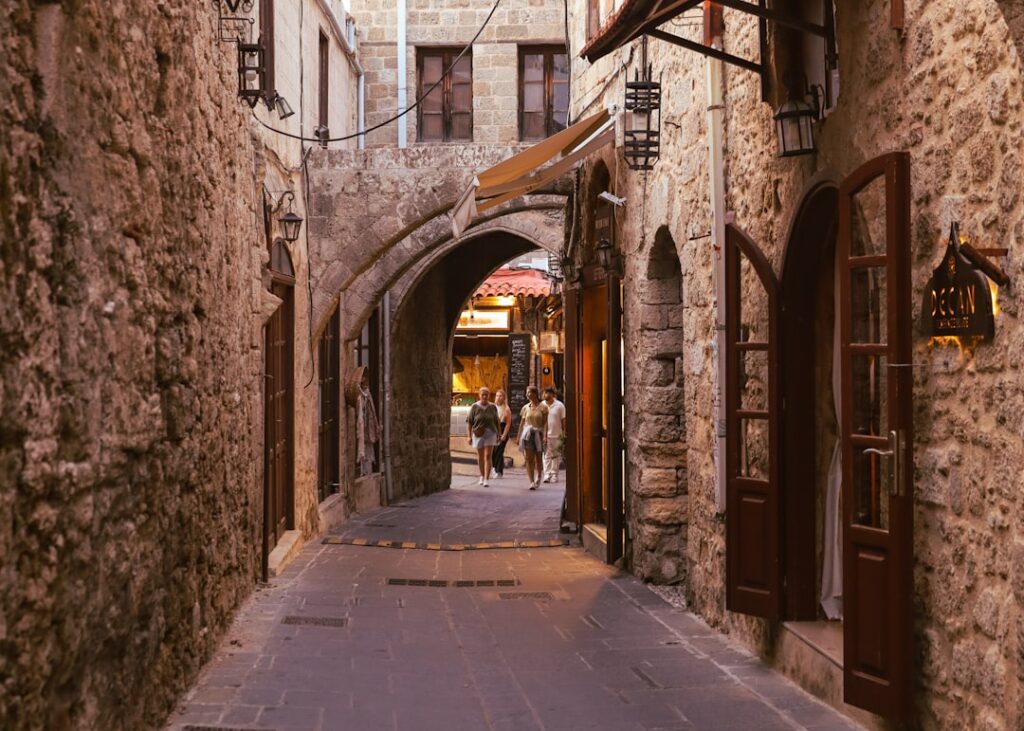
One-Day Route and Tips for a Full Day in Rhodes Including the Museum
To make the most of a day in Rhodes with the Byzantine Museum as a central stop, here’s a suggested walking route and tips to balance cultural visits with relaxed breaks. Start early with a stroll along Mandraki harbour — famous for its windmills and the deer statue — to enjoy the morning freshness and light on the water.
Click here to book a private photo session in the Old Town
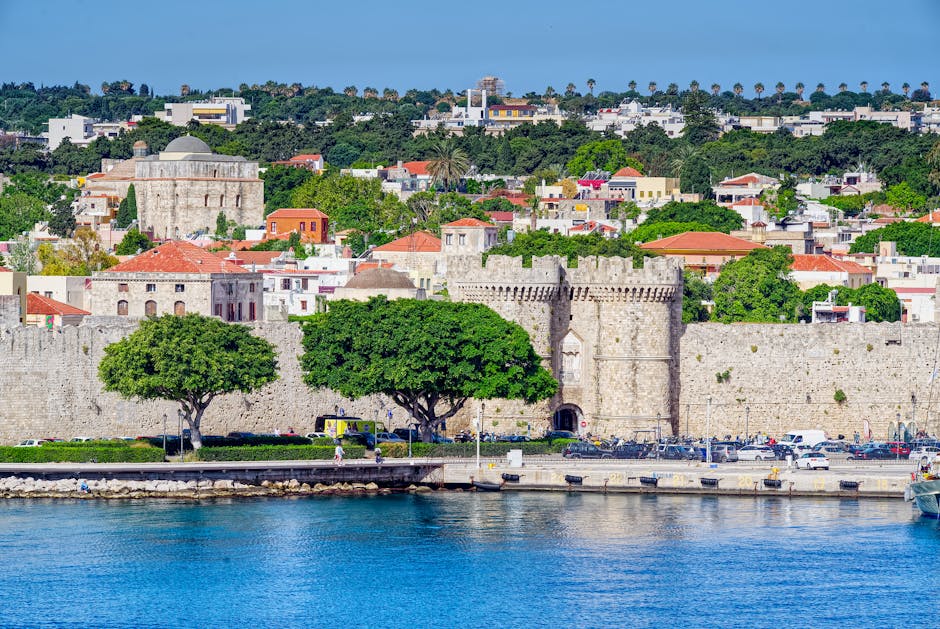
Morning (09:00 – 12:00): Begin at the Palace of the Grand Master of the Knights of Rhodes (Palace of the Grand Master of the Knights of Rhodes, address: Plateia Ippoton, Medieval City, Rhodes 851 00). It’s a must-see and sits just minutes from the Byzantine Museum. Explore the courtyard, exhibition rooms and enjoy views from the ramparts. Then stroll down the Street of the Knights (Ippoton Street) to soak up the medieval architecture. Before lunch, visit the Byzantine Museum (Sokratous 16) — mornings are best for crowds-free viewing.
Lunch break (12:30 – 14:00): Pick a traditional tavern in the Old Town to sample local specialties: moussaka, keftedes (meatballs), Greek salad and fresh fish. Practical tip: reserve a table during high season. Small tavernas around Hippocrates Square offer hearty menus and warm hospitality.
Afternoon (14:00 – 17:30): After lunch, head to the Archaeological Museum of Rhodes (Archaeological Museum of Rhodes, Street of the Knights, Hospitaller building) at the Knights’ Hospital to broaden the historical perspective. Then climb the Roloi (Clock Tower) for panoramic views over the Old Town and the sea. Finish with a coffee break — try a frappé — and some Greek pastries at a nearby café.
Evening: If you’re staying in town, the Old Town comes alive at night with warm lights and occasional concerts in the squares. For photographers, the golden hour on the ramparts yields spectacular shots. If you want to extend your cultural theme, check for temporary exhibitions or liturgical concerts held in historic churches.
Local practical tips: bring a water bottle — summers can be very hot — and wear comfortable shoes for the uneven cobbles. Respect places of worship by dressing modestly (shoulders and knees covered) and ask permission before photographing people. Finally, learn a few Greek phrases (good morning: « Kalimera », thank you: « Efharisto ») — local politeness goes a long way and opens doors to friendlier interactions.
Conclusion
The Byzantine Museum of Rhodes is far more than just another cultural stop: it’s an essential waypoint for understanding the island’s historical and religious soul. Through its icons, mosaics and liturgical objects, the museum tells a story of continuity and cultural resilience in the face of time’s upheavals. You’ll sense the central role of faith in daily life, the refinement of sacred art workshops and the dedication of local communities who ensured the transmission of these treasures.
Visiting the museum is also an invitation to converse with the past: every explanatory panel and display case opens a window into ancient practices and traditions that shaped Rhodes’ identity. The practical details provided (address, hours, indicative prices) should help you plan a stress-free visit, while the suggested routes and local tips make it easy to combine the museum with other Old Town highlights — from the Palace of the Grand Master to the Street of the Knights and panoramic views from the Roloi.
Finally, remember that the true treasure of a visit often lies in the details: the patina of an icon, the sparkle of a mosaic tessera, the intimate character of a liturgical object. Take the time to look closely, read the labels, ask staff questions when possible, and above all, let the atmosphere of the Old Town soak in. Whether you’re an art history enthusiast, a traveler seeking authenticity or simply a curious visitor, the Byzantine Museum of Rhodes offers a memorable and enriching experience — a rendezvous with history, beauty and spirituality at the heart of one of the Mediterranean’s most beautiful islands.