





Introduction — Medieval Festival: Relive the Age of Knights in Rhodes
Rhodes, the iconic island of the Dodecanese in Greece, is celebrated for its knightly history, impeccably preserved medieval walls and a UNESCO-listed Old Town. Every year the city comes alive: cobbled streets, Gothic arcades and courtyards become the backdrop for a journey back in time. The Medieval Festival of Rhodes is an immersive experience that draws locals and visitors eager to step into the daily life of knights, craftsmen and troubadours. With historical reenactments, craft workshops, banquets, early music and equestrian jousts, the festival offers a full picture of medieval Mediterranean skills and rituals.
This guide takes a practical, detailed approach to help you make the most of the festival: where the main events take place, exact addresses of must-see sites, approximate prices in euros for typical activities, key schedules, immersive descriptions to help you choose what matches your interests, and local tips to optimize your stay in Rhodes during the festivities. You’ll also learn how to get around the Old Town, what to pack (shoes, clothing, cash), and how to book paid activities — from the medieval banquet to blacksmithing and calligraphy workshops.
The festival isn’t confined to a single spot: it uses Rhodes’ unique topography, from the majestic Palace of the Grand Master of the Knights of Rhodes to the narrow lanes of the Street of the Knights, plus public squares and the Mandraki quays. It combines free performances with ticketed events organized by the municipal cultural service, reenactment groups and private historical entertainment companies. Whether you’re a curious traveler, a medieval history buff, a photographer chasing dramatic scenes, or a family looking for child-friendly workshops, the festival has offerings for every format.
This guide has a twin aim: to provide practical information (exact addresses, prices in euros, opening times) and to deliver vivid, sensory descriptions so you’ll want to hear iron striking the anvil, smell the embers of a banquet, admire the colors of banners and listen to stringed and percussion instruments filling the alleys. You’ll also find local tips to avoid queues, secure the best vantage points for jousts and processions, and discover hotels and restaurants nearby that extend the medieval vibe without sacrificing modern comfort.
1. Main festival hubs and a recommended Old Town route
The heart of the festivities sits in the Old Town of Rhodes, a maze of medieval streets with imposing fortifications. To orient yourself around the events, keep three main axes in mind: the Palace of the Grand Master of the Knights of Rhodes, the Street of the Knights (Odos Ippoton), and Mandraki Harbour. Below are exact addresses and suggested routes for a typical day.
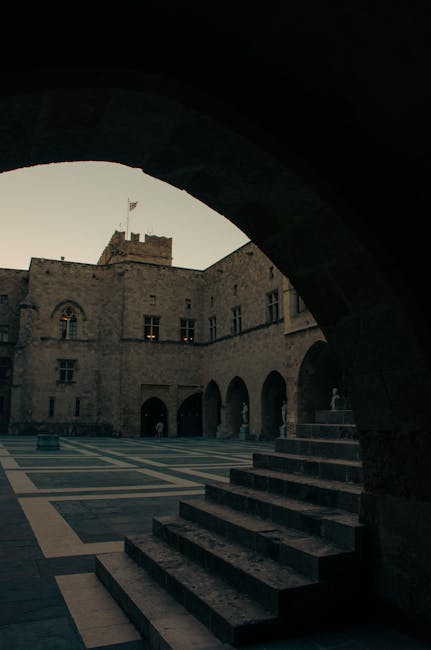
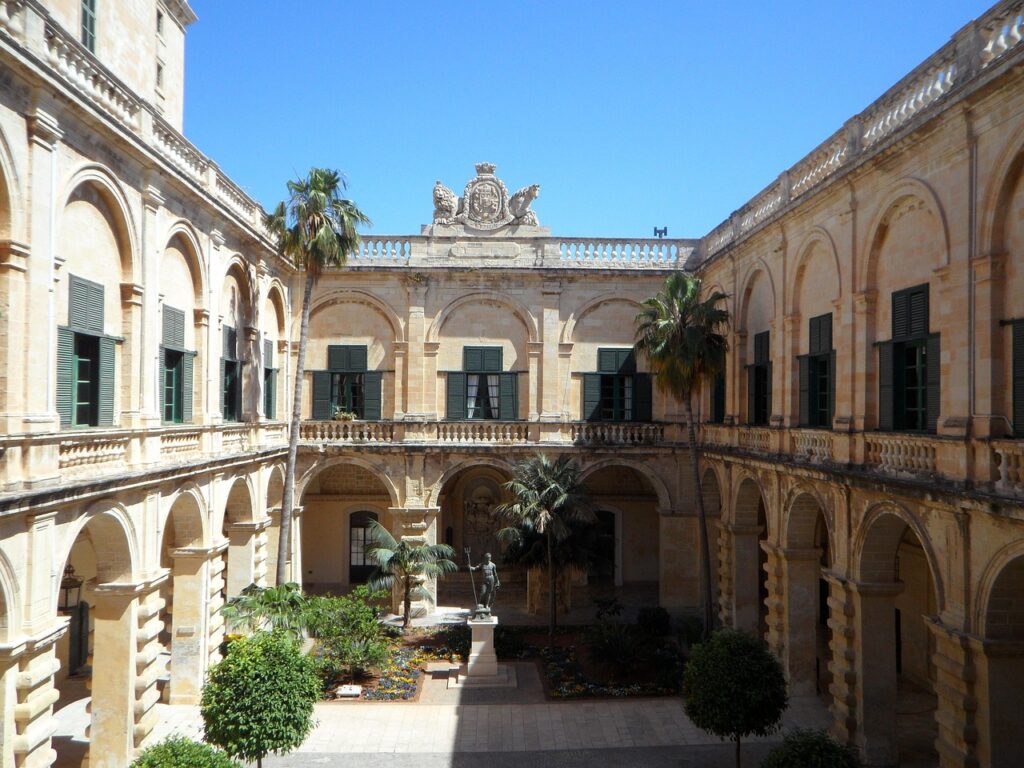
- Palace of the Grand Master of the Knights of Rhodes, address: Plateia Ippoton, Odos Ippoton, Rhodes 851 00, Greece. Usual museum hours: 08:00–20:00 (April–October), 08:30–17:00 (November–March). Approximate museum fees: adult €10, reduced €5 (students/seniors), free for children under 6. During the festival, special events and evening concerts may carry a surcharge (concerts €12–€25 depending on seating).
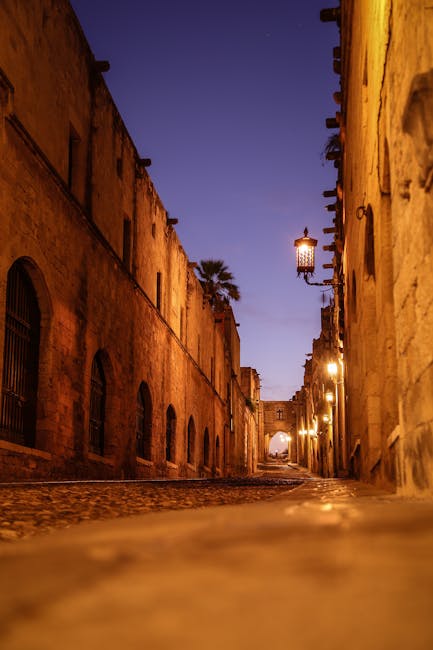
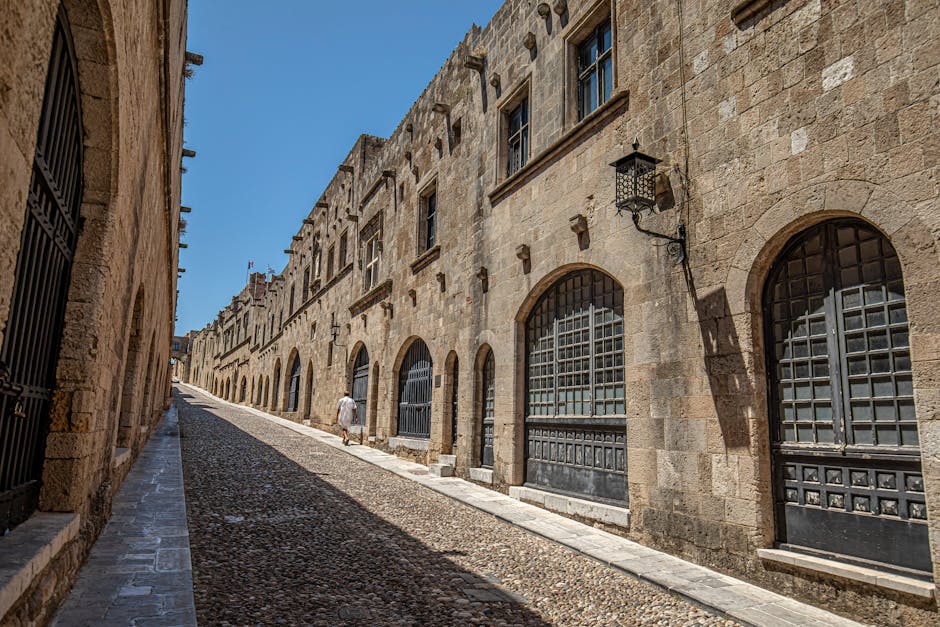
- Street of the Knights (Odos Ippoton), address: Odos Ippoton, Rhodes 851 00, Greece. This is the most famous street in the medieval city, lined with historic inns. During the festival, the inns host armor demonstrations, calligraphy and costume displays. Many demonstrations are free but some hands-on workshops are ticketed (€5–€15).
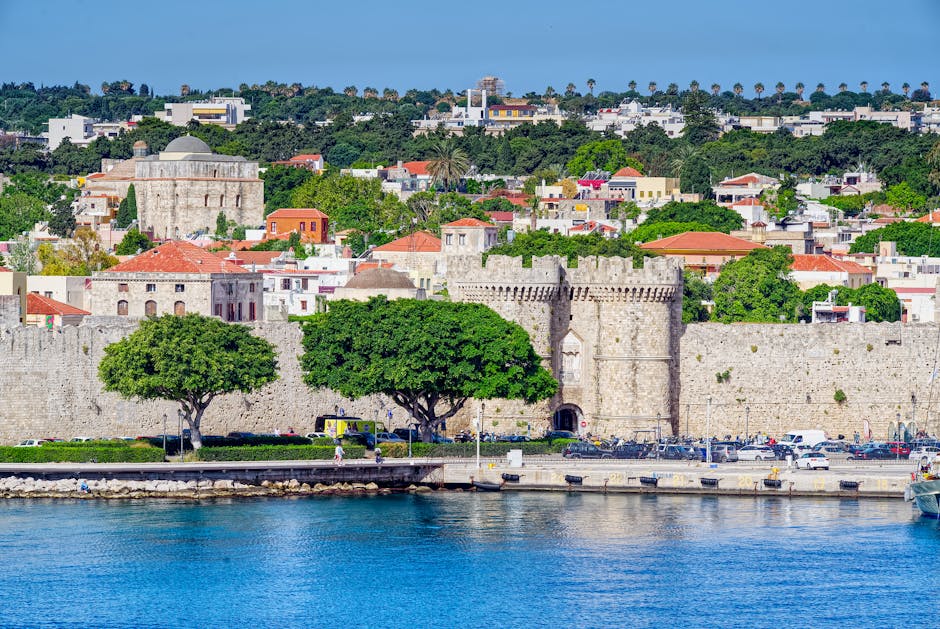
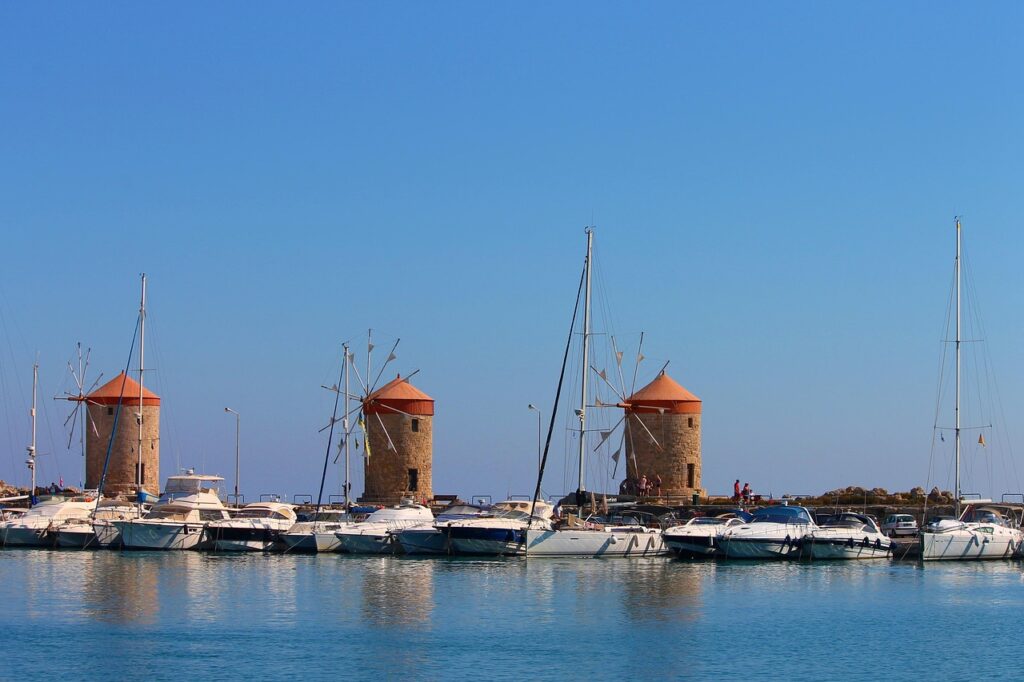
- Mandraki Harbour, address: Mandraki Port, Rhodes 851 00, Greece. The harbor turns into an open-air stage: torches, decorated boats and maritime parades. Access is free, though reserved seating for dance shows or theatre performances may be ticketed (€8–€20).
Recommended itinerary for a day:
- Morning (09:00–12:30): Start at the Palace of the Grand Master with a guided tour (book ahead). The tour sets the political context of the Knights Hospitaller and showcases the great hall and fortifications.
- Lunch (12:30–14:00): Eat nearby in the Old Town, for example at the traditional Marco Polo Cafe & Restaurant, address: Plateia Ippoton 3, Rhodes 851 00, Greece. Medieval-inspired mezzes from €8, mains €12–€20.
- Afternoon (14:00–18:30): Stroll along Odos Ippoton and attend workshops (armor, dyeing, calligraphy). Book paid workshops in the morning at the festival information stands.
- Evening (19:00–23:30): Return to the Palace for concerts, or head to Mandraki Harbour for the night parade and outdoor shows.
Local tip: The Old Town is pedestrian and paved — wear closed, non-slip shoes. Bring cash (euros): many artisans and small stalls don’t accept cards. Also, arrive 30–45 minutes before main shows to secure good seats.
2. Shows and reenactments: jousts, early music and theatre
The performances are the festival’s soul. They aim not just to entertain but to faithfully recreate historical practices: handmade costumes, period weapons (safely blunted), ancient scores and choreographed battles. Here’s an overview of the kinds of shows you can expect and practical details.
- Equestrian jousts and combat demonstrations — usually set on a temporary arena near the Palace of the Grand Master or at Mandraki Harbour. Typical times: 17:00–18:30 and 21:00–22:00 (evening spectacle). Prices: seated tickets €15–€35 depending on location; standing access is often free but limited. Jousts include explanatory commentary to contextualize the rules and military techniques of the period.
- Early music and Gregorian chant — evening concerts held in courtyards or restored chapels. Example venue: Church of Our Lady of the Castle, address: Ippoton Square, Rhodes 851 00, Greece (venues vary). Times: 20:30–22:00. Tickets: €10–€20. Programs feature lutes, fiddles, flutes and medieval percussion; the courtyards’ acoustics create exceptional sound quality.
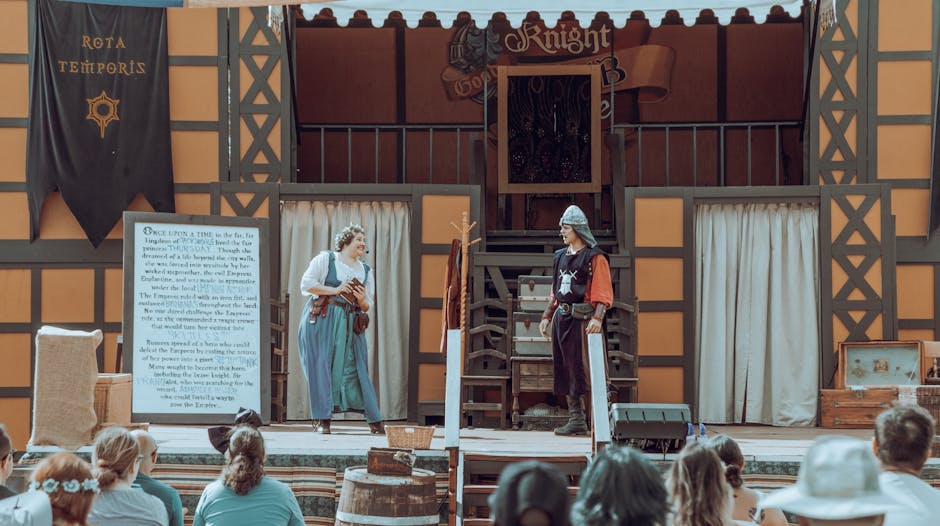
- Historical theatre and processions — short plays and historical processions that recount local episodes (the siege of Rhodes, arrival of the knights). Daytime parades run between 11:00 and 14:00; evening costume processions 19:30–21:30. Most parades are free; for reserved seating (bleachers) expect €5–€12.
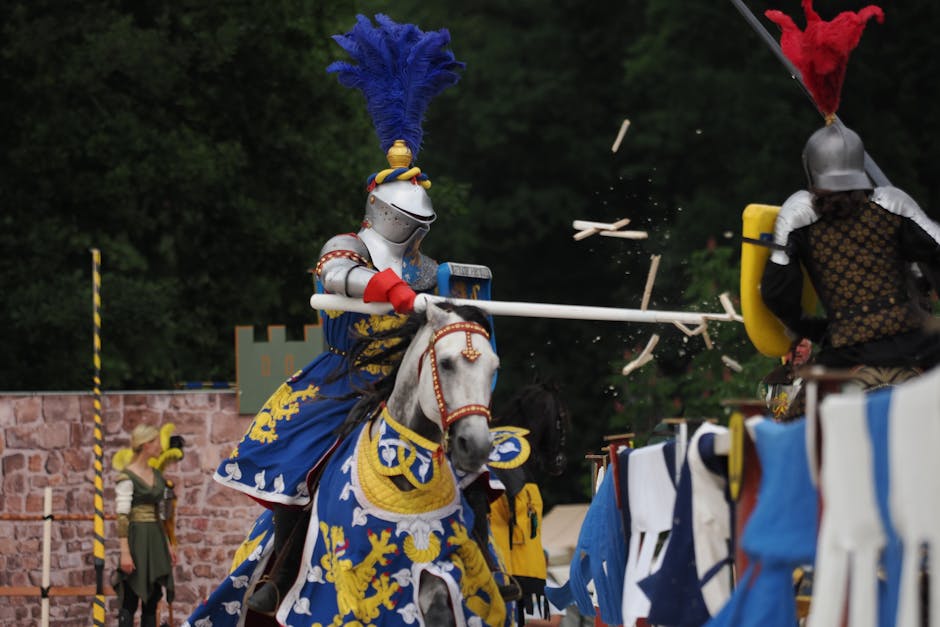
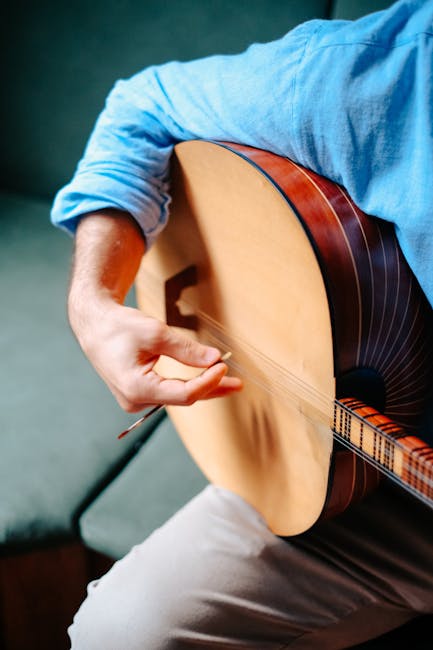
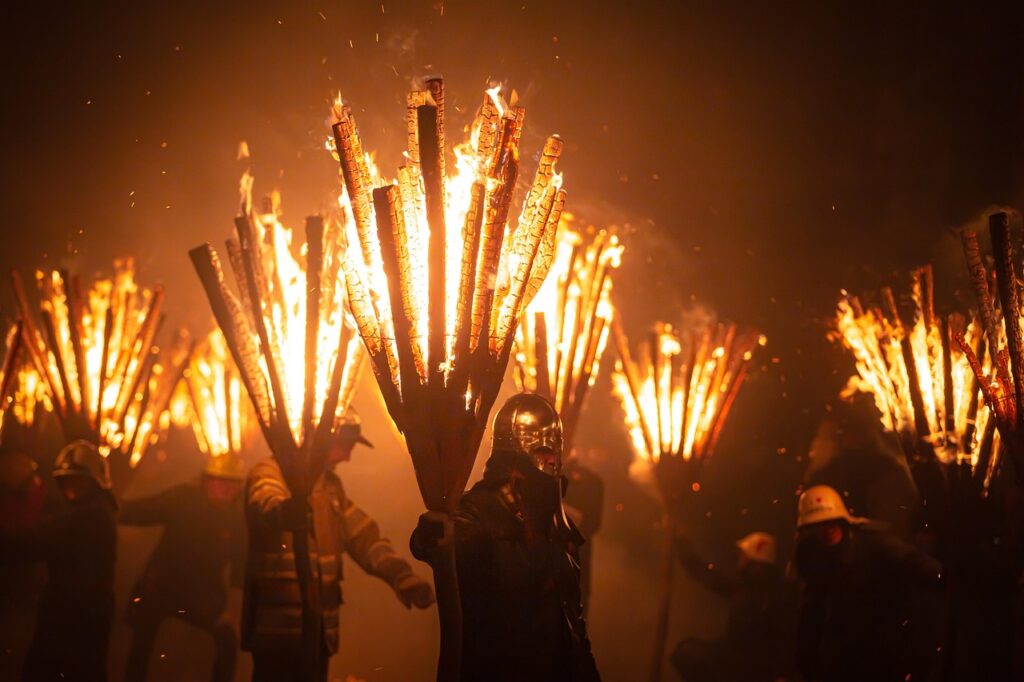
Immersive description: Picture hooves clattering on the cobbles, the metallic rattle of chain mail in the afternoon sun, then dusk falling, torches kindled and early music rising in a medieval courtyard, carrying the crowd out of the 21st century. Organizers prioritize safety (padded armor, blunted weapons) and authenticity (embroideries, natural pigments for costumes).
Practical tips: Buy joust and concert tickets as soon as they go on sale (often weeks before the festival). If you’re a photographer, check restrictions (no-go zones, flash bans indoors). For comfort, bring a light jacket for breezy evenings despite warm daytime temperatures.
3. Workshops, crafts and hands-on experiences: blacksmithing, calligraphy and cooking
One of the festival’s great charms is the chance to take part. Workshops are often run by local artisans or international reenactment groups. They reveal historical techniques and gestures while providing tangible souvenirs.
- Blacksmith and ironwork workshop — location: Medieval Craft Centre, Odos Ippoton 12, Rhodes 851 00, Greece. Times: sessions at 10:00, 13:00, 16:00 (90 min). Price: €25 per person (includes one small forged iron item). Instructors explain the anvil, heating the iron and hammering techniques, supervising each participant.
- Calligraphy and illumination workshop — location: Medieval Scriptorium, Plateia Ippoton 5, Rhodes 851 00, Greece. Hours: 11:00–13:00 and 15:00–17:00. Price: €15–€20 (materials and parchment included). Participants learn to use quills, natural inks and paint their own illuminated initials.
- Culinary workshop — medieval banquet — location: various private venues and partner restaurants, notably Medieval Banquet House, Socratous 8, Rhodes 851 00, Greece. Times: dinner shows 19:30–22:30. Price: €45–€75 per person (4-course menu + show). Banquets feature Mediterranean medieval-inspired recipes: lamb stews, spiced breads, candied fruits, mulled wines (drinks often not included).
- Costume rental — several shops rent historical outfits for parades; example: Costume Atelier Rhodes, Odos Ippoton 20, Rhodes 851 00, Greece. Rates: hourly rental €8, half-day €20, full day €35. Tip: online booking secures size and accessories (capes, belts, diadems).
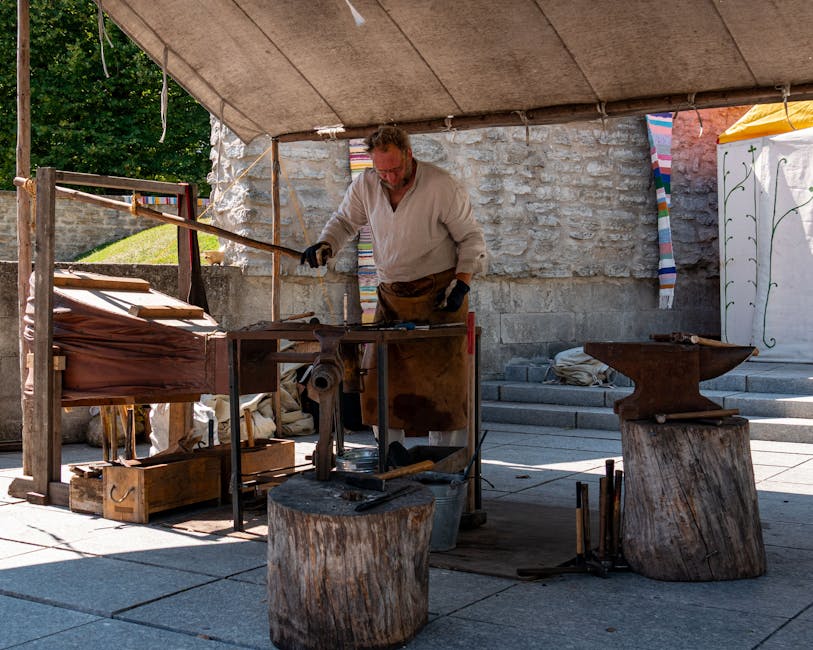
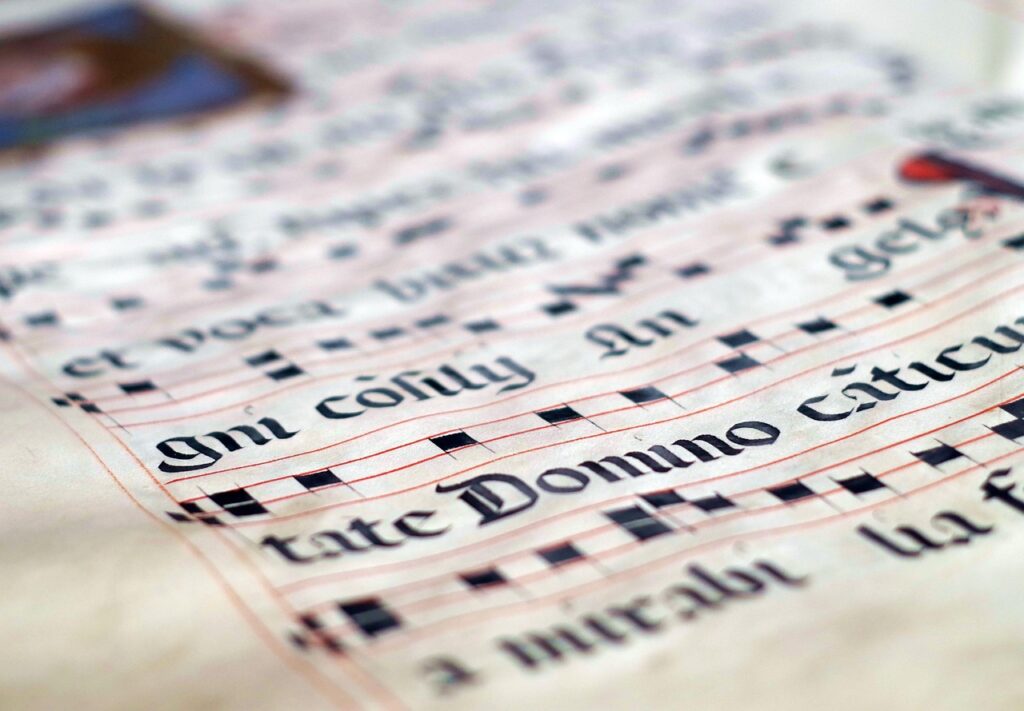
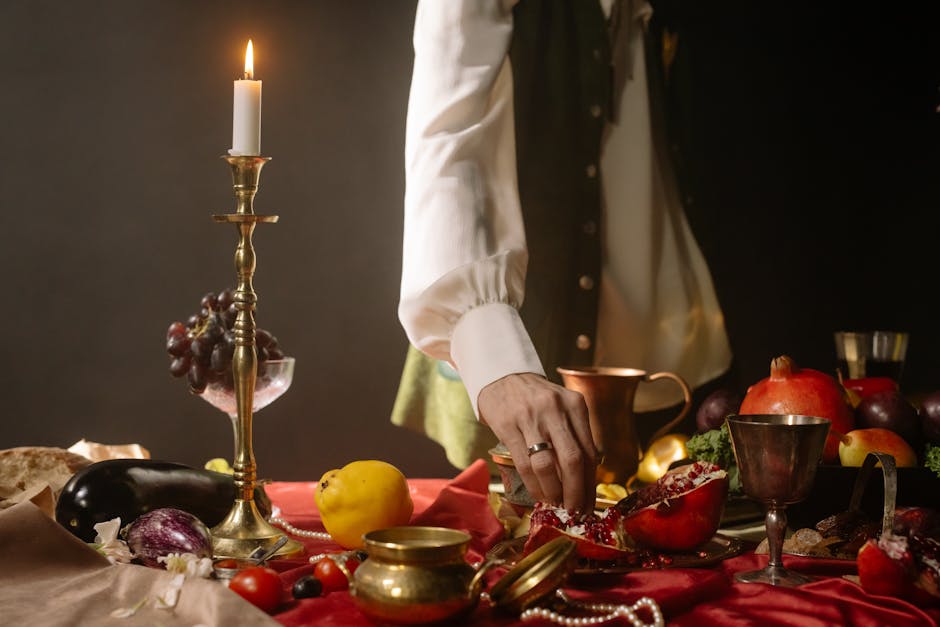
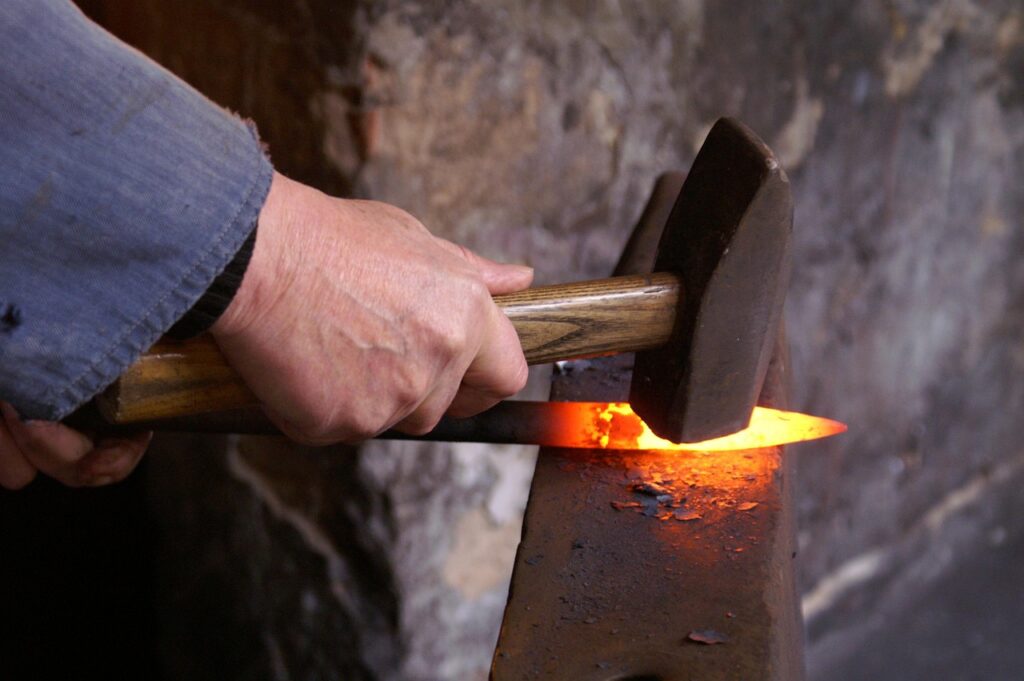
Immersive description: In the blacksmith’s workshop, the heat and smell of coal, the rhythm of hammering and the sparks bring metal to life. In the illumination class patience rules: pigments ground, gold leaf applied with a fine brush, and the joy of holding a hand-decorated page. At the banquet, candles and coarse linens create an intimate atmosphere; expect theatrical presentations and speeches inspired by tournaments.
Local tips: wear clothes you don’t mind getting dusty for forge workshops. For banquets, disclose dietary restrictions when you book (allergies, vegetarian options). Popular workshops fill up fast; reserve via the festival’s official site or the Rhodes town hall information point.
4. Eating and sleeping during the festival: addresses, budgets and recommendations
The festival is a great chance to pair local cuisine with a medieval atmosphere. Between traditional tavernas, cafes on the bastions and fine dining, Rhodes has options for every budget. Here are specific addresses, price ranges and accommodation tips.
- Marco Polo Cafe & Restaurant, address: Plateia Ippoton 3, Rhodes 851 00, Greece. Hours: 09:00–23:00. Budget: mezzes from €8, mains €12–€20. Specialty: medieval-inspired mezzes and house herb bread. Reservation recommended on festival evenings.
- To Steno (traditional taverna), address: Odos Socratous 15, Rhodes 851 00, Greece. Hours: 12:00–23:30. Budget: dishes €10–€18. Rustic atmosphere and a terrace on the cobbled street — perfect after a day of exploring.
- Medieval Banquet House (already mentioned), address: Socratous 8, Rhodes 851 00, Greece. For an immersive evening, budget €45–€75 per person. The venue offers dinner-shows by reservation only.
- Accommodation — suggestions close to the festival:
- Hotel Amalia Rhodes, address: Akti Miaouli 7, Rhodes 851 00, Greece. Close to Mandraki harbour and the Old Town. Rates: double rooms €90–€160 depending on season. Service: breakfast buffet included.
- Spirit of the Knights Boutique Hotel, address: Odos Ippoton 24, Rhodes 851 00, Greece. Charming small hotel in the Old Town. Rates: €120–€220 per night.
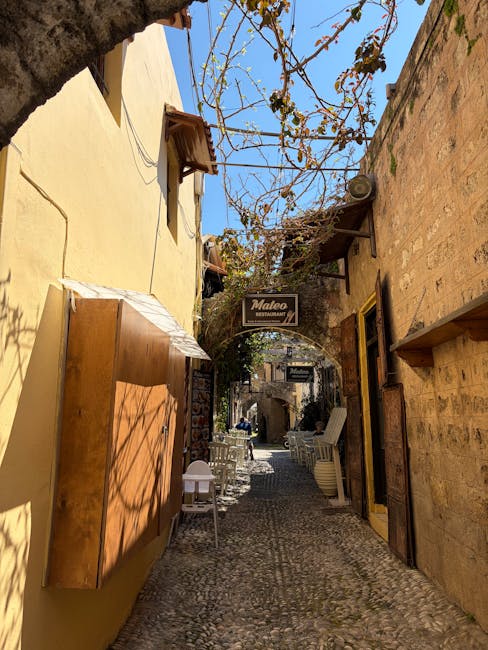
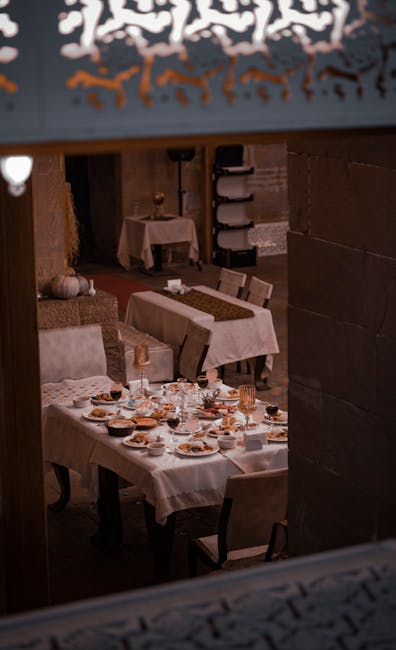
Budget advice: overall, plan a sensible daily budget during the festival: meals €25–€45 per person (average), show entries €10–€30 and workshops €10–€35 depending on interaction level. Prices in high season (May–September) may be higher; book accommodation and banquets at least 6–8 weeks in advance.
Local tips: eat in the smaller, tucked-away tavernas in the Old Town for authentic dishes at good prices. For rooms in the Old Town, check for air conditioning and soundproofing — evening festivities can be loud. For a balance between comfort and proximity, pick a hotel on the Mandraki harbour front (Akti Miaouli): 5–15 minutes on foot from festival sites.
5. Practical information, access, safety and tips for photographers
Attending the Medieval Festival of Rhodes is straightforward but benefits from a little planning. Here are essential practical details: transport, safety, photo rules and recommendations to get the most from the events.
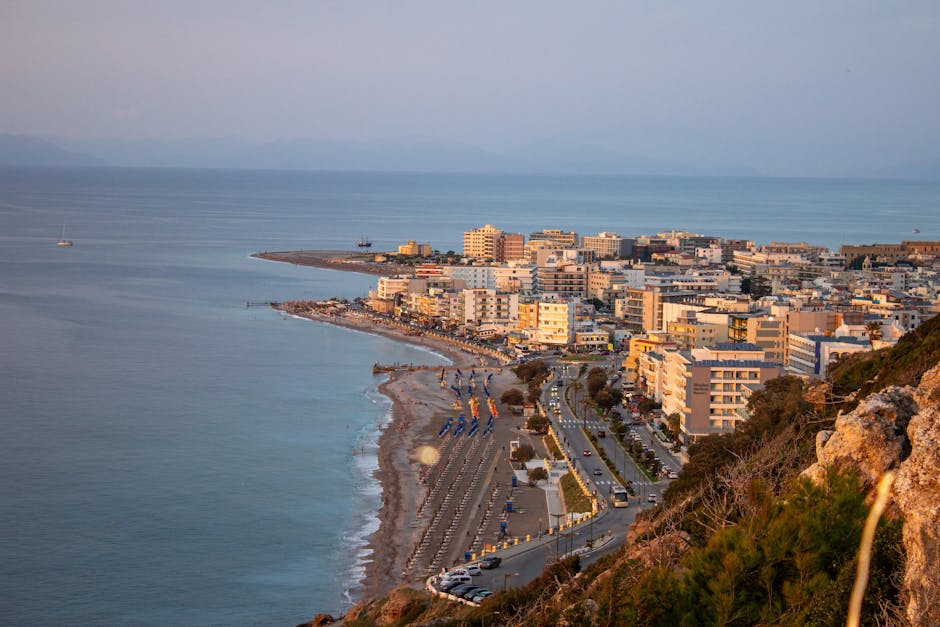
- Getting there: The Old Town is walkable from Mandraki Harbour (10–15 minutes). A common starting point: Mandraki Port main entrance, Akti Miaouli, Rhodes 851 00, Greece. Taxis from Rhodes International Airport (Diagoras Airport, address: Rhodes International Airport « Diagoras », Rhodes 851 00) take about 20–30 minutes and generally cost €25–€35 depending on traffic.
- Public transport: Local buses (KTEL Rhodes) serve the city from multiple points on the island; main station: KTEL Bus Station, Ippokratous 1, Rhodes 851 00. Prices: city trips €1.60–€2.50. Schedules vary by season; check online the day before you travel.
- Safety: Organizers work with local police and municipal security services. Joust areas are cordoned off. Avoid entering performer-only zones and follow steward instructions. In an emergency dial 112 (European emergency number).
- Photographers: Most outdoor events may be photographed without extra fee. Access to VIP areas or backstage requires press accreditation. Indoor concerts may ban flash; comply with rules. Bring a spare battery and memory cards: some stalls don’t offer charging options.
- Cash and payments: Carry cash (€) for artisans and small stalls. Major restaurants and hotels accept cards (Visa/Mastercard). ATMs are available at Mandraki and near Socratous Street.
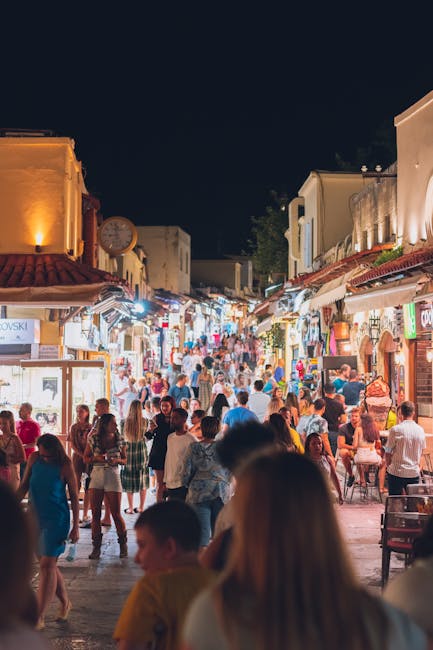
Extra local tips: avoid peak crowd times (13:00–15:00 and 20:00–22:00) if you want to wander with fewer people. If traveling with children, locate a meeting point and public restrooms on arrival (for example near Plateia Ippoton); keep water and snacks for the kids. Finally, join a morning guided walk: volunteer and professional guides share local anecdotes that dramatically enrich the experience.
Conclusion: why you shouldn’t miss the Medieval Festival of Rhodes
The Medieval Festival of Rhodes is far more than a tourist event: it’s a deep cultural immersion that helps you understand the island’s layered history at a crossroads of civilizations. The blend of archival research, rigorous reenactment, living artisans and polished staging turns the Old Town into a living theatre. Visiting Rhodes during this period gives you the chance to hear knights’ footsteps on the stones, watch ancestral crafts taught in accessible workshops and share a meal that tells the culinary history of the Mediterranean.
Practically speaking, the festival is accessible: most outdoor events are free, while paid activities offer great value (hands-on workshops, jousts, banquets). Key addresses — the Palace of the Grand Master of the Knights of Rhodes (Plateia Ippoton, Odos Ippoton, Rhodes 851 00), the Street of the Knights (Odos Ippoton, Rhodes 851 00) and Mandraki Harbour (Akti Miaouli, Rhodes 851 00) — structure your visit. Typical prices observed (museums €6–€12, workshops €10–€30, banquets €45–€75) let you plan a realistic budget, and schedules (daytime activities 09:00–18:00, evening shows 19:30–23:30) provide plenty of options over at least two days.
To wrap up, a few final recommendations: book paid activities and accommodation early; explore the Old Town on foot and wear suitable shoes; carry cash for artisan stalls; sign up for the workshops that interest you to enjoy an unforgettable hands-on experience; and, above all, let yourself be carried away by the atmosphere — it’s in the narrow streets, tucked-away squares and inner courtyards that the festival reveals its finest secrets. Rhodes awaits you, torches lit and banners flying, for a sensory journey into the heart of the Mediterranean Middle Ages.