





Introduction — Why a Monte Smith photowalk is worth the trip
Monte Smith on Rhodes is one of the city’s standout viewpoints, where ancient ruins, sweeping sea views and shifting daylight combine into a photographer’s playground. Perched on the southwest edge of Rhodes’ Old Town, the promontory is home to the Ancient Acropolis of Rhodes, an ancient stadium, defensive walls and temple fragments that tell more than two millennia of history. For street, landscape or historical photographers, a photowalk around Monte Smith is a chance to explore textures, leading lines and light: weathered limestone, broken columns casting sharp shadows in the sun, and panoramic views over the Aegean stretching to nearby islands.
This introduction sets the scene: we’ll cover where and when to shoot, how to plan your route, which lenses to bring, and which angles will best express the site’s dual nature—archaeology and nature, intimate details and wide panoramas. Monte Smith is reachable from several points in modern Rhodes and fits naturally into a walk that can include the Archaeological Museum of Rhodes (housed in the Hospital of the Knights), the ancient stadium and the southwest coastline. The light here is especially rewarding at sunrise and sunset, though midday shadows cast by Mediterranean vegetation and ruins can also create striking compositions.
This practical guide, written in an informative, professional tone, will walk you through planning, logistics, scouting the highlights (with useful addresses and opening times), technical tips for capturing textures, color and perspective, plus local recommendations for food and recharging between shoots. Note that the Acropolis remains are spread along the slopes of Monte Smith and the route is on foot across mule tracks, steps and grassy patches—bring comfortable shoes, sun protection and water.
We’ll also include suggested visual prompts (image markers) to inspire your framing: maritime scenes at golden hour, columns and skylines, stone textures and olive tree silhouettes, and sun-drenched ancient staircases. Each photo idea comes with practical info (exact location, recommended times, possible costs in euros, and local tips to avoid crowds and to respect the archaeological site). Pack your camera bag: this Monte Smith photowalk promises a varied set of evocative images suitable for portfolios, socials or a personal documentary on Rhodes.
1. Scouting and access: coordinates, transport and first framing ideas
Before you hit the shutter, do a quick scout. Monte Smith (also called Mont Smith) sits to the west of the Old Town in the city’s central district. A practical address to plug into GPS: Mont Smith, Rhodes 851 00, Greece. This covers the Acropolis and the stadium overlooking the western bay. For precision on arrival: the common access point is Plateia Ippodamou (Ippodamou Square), a short walk from the site; approximate address for pedestrian parking and taxi stops: Plateia Ippodamou, 851 00 Rhodes, Greece.
Getting there:
- From the Old Town: a 10–20 minute walk depending on where you start; follow Ippodamou Street and then ascend toward Monte Smith park.
- Local bus: the RODA network serves the city; get off at the “Akadimias / Monte Smith” stop (check local timetables and routes). Indicative fare: around €1.60 per trip (prices may change).
- Taxi: a ride from the main bus station usually costs between €6 and €12 depending on time and traffic.
Hours and access: much of Monte Smith is open public space and accessible all day. However, some protected archaeological areas may have opening hours or temporary restrictions for conservation. We recommend arriving early in the morning (around 6:00–8:00) to enjoy soft light and fewer visitors. At sunset the bay draws a crowd; arrive 45–60 minutes early to secure your viewpoints.
Scouting tips: start with a perimeter walk to get your bearings. Look for leading lines—walls, ruins, stairways—that draw the eye toward the sea. Note the orientation: the west coast delivers dramatic sunsets while east-facing façades catch the morning sun. For close-ups, seek out textures: fissures in limestone, tool marks, biological traces (moss, lichen) and Mediterranean plants (lavender, thyme, dwarf olives). Respect signs and barriers; don’t climb fragile fragments.
2. Must-shoot spots: compositions, angles and recommended gear
Monte Smith serves up a range of photographic subjects: everything from wide coastal panoramas to macro details of ancient stone. Here are the must-shoot locations with technical and visual tips.
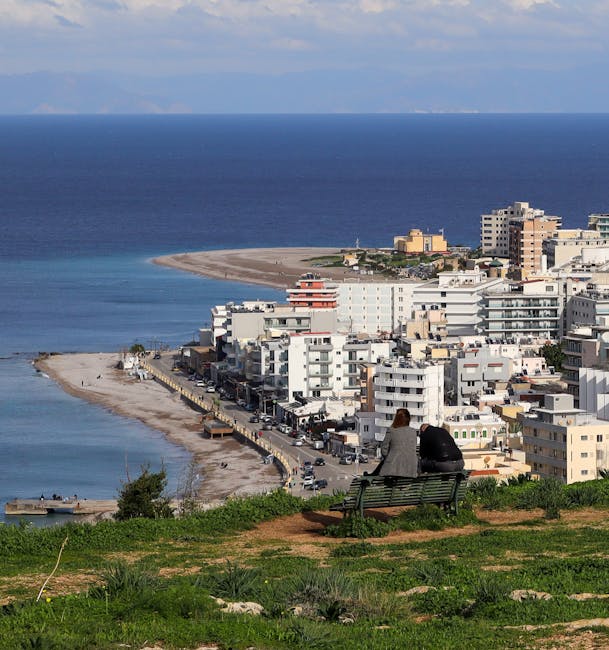
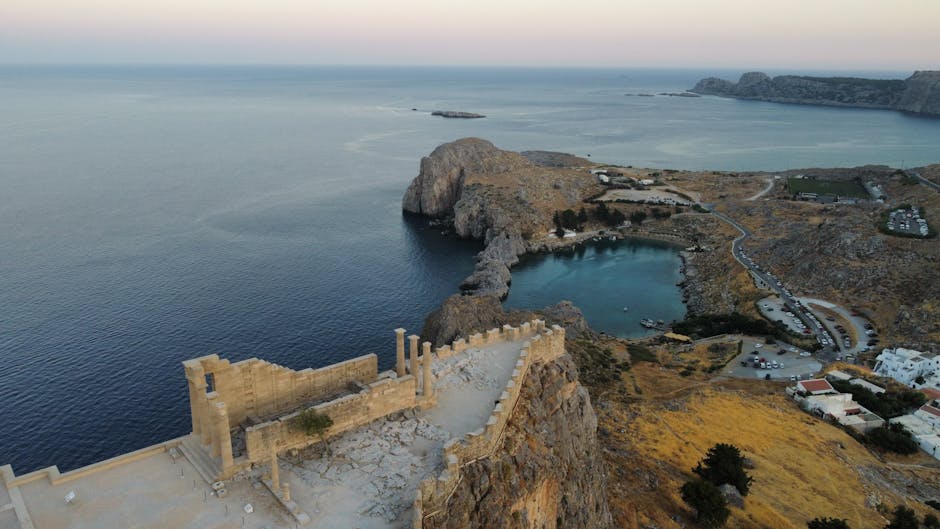
- The Ancient Acropolis of Rhodes — panoramic view: position yourself on the higher parts of the promontory to capture the shoreline silhouette and the expanse of the Mediterranean. Use a wide-angle lens (16–35mm) to include a ruiny foreground and the horizon. Best times: the golden hour, roughly an hour after sunrise and an hour before sunset. Address: Monte Smith, Rhodes 851 00, Greece. Free access (public areas); no entrance fee for open zones.
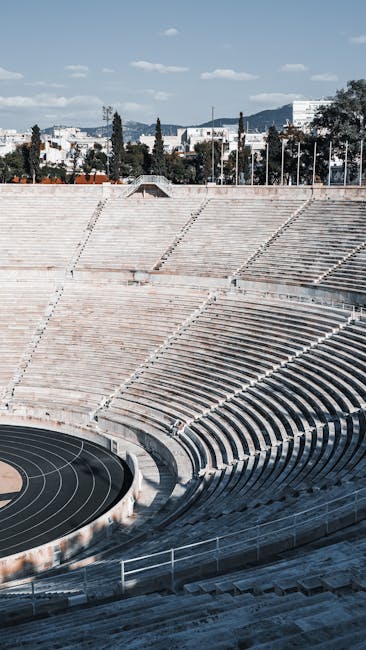
- The Ancient Stadium of Rhodes — lines and perspective: the elongated stadium still shows terraces and traces of its enclosure. Look for staggered compositions where the seating leads the eye. A medium telephoto (70–200mm) will compress the scene and isolate sections of the stands. Address: Stadium, Monte Smith, 85100 Rhodes, Greece.
- Columns and archaeological fragments — details and texture: get close with a fast prime (50mm f/1.8, 85mm) to capture surface texture and patina. Recommended kit: a microfiber cloth to clean lenses exposed to dust, and a polarizing filter to control reflections on damp stone after rain.
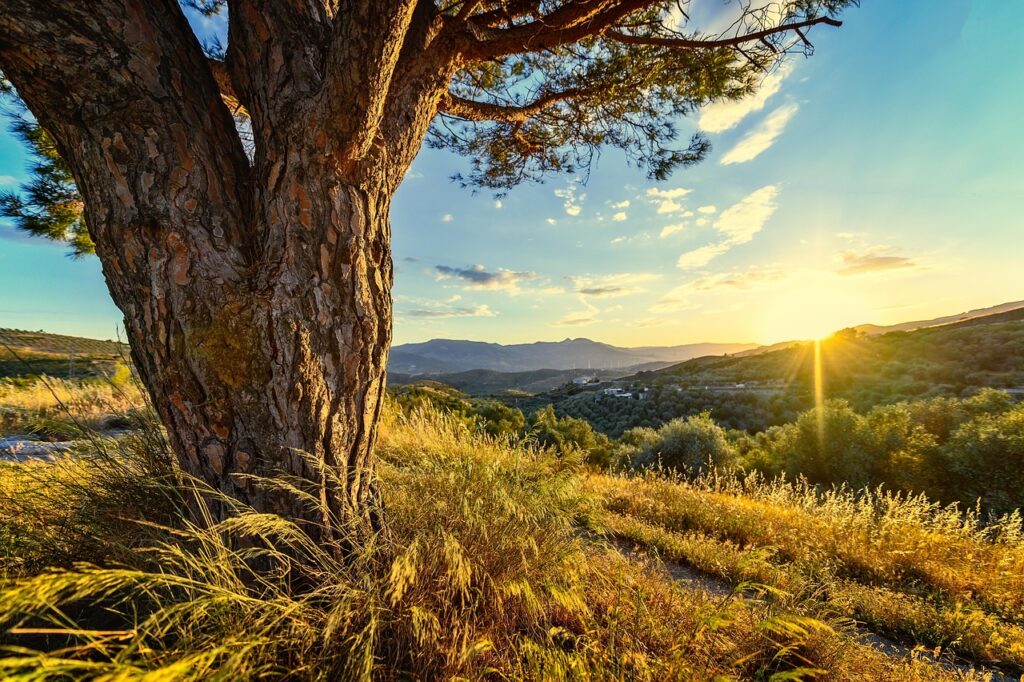
- Mediterranean plants — natural foregrounds: use shrubs, olives and pines as foreground interest. A wide aperture (f/2.8–f/5.6) helps separate the main subject while keeping environmental context.
Technical tips:
- HDR bracketing: for high-contrast scenes (bright sea and sunlit ruins), shoot exposure brackets (±2 EV) to blend a natural HDR later.
- ISO settings: keep ISO low (100–200) during the day for best quality, and raise moderately at dusk if you want to avoid using a tripod.
- Stabilization: bring a compact tripod for long exposures at sunset and night (the views of the lit Old Town are superb). Tripods are usually permitted in public spaces—just be mindful of other visitors.
Safety and ethical shooting: don’t touch or move archaeological fragments. Many stones are fragile and conservation takes priority. Avoid flying drones without specific permission—the archaeological zone may be subject to heritage protection rules and local restrictions; check with local authorities (Ephorate of Antiquities of Rhodes).
3. Light, weather and local tricks to capture the best conditions
Light quality on Rhodes changes with the season and the sea’s direction. The Mediterranean climate provides dreamy light for photographers, but managing contrast and color temperature is still key.
Seasons and timing:
- Spring (April–June): pleasant temperatures (15–25 °C), soft morning light and vivid plant colors. Great for documentary series and environmental portraits.
- Summer (July–August): hot conditions (25–35 °C), dry air and harder skies. Favor dawn and dusk to avoid harsh midday light. Bring plenty of water and a hat.
- Autumn (September–October): excellent golden light and mild temperatures, with far fewer crowds than high season.
- Winter (November–March): wind and occasional rain can bring dramatic skies for high-contrast shots. Always check the forecast before going out.
Key moments of the day:
- Sunrise: the eastern horizon lights the acropolis’ eastern faces, creating long shadows and warm tones. Arrive 45 minutes before sunrise to set up your shots.
- Mid-morning: side light is ideal for revealing stone texture and relief.
- Afternoon: harsh in summer but useful for isolating silhouettes and boosting sky saturation.
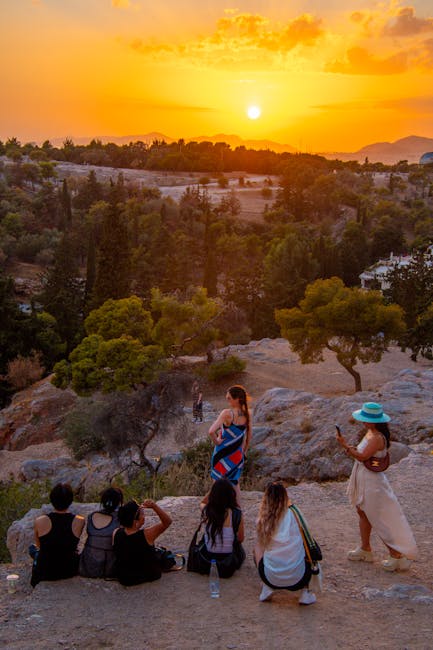
- Sunset: the highlight for capturing a burning sea and ruin silhouettes, especially from Monte Smith’s high points. Plan for long exposures to smooth the water and create motion effects.
- Night: views of the illuminated Old Town and coastline; use long exposures and bracketing to control highlights.
Practical tricks:
- Golden hour apps: use a sun-tracking app (Sun Surveyor, PhotoPills) to plan placement based on the sun’s path and column alignments.
- Filters: graduated ND to tame bright skies; ND 6–10 stops if you want to smooth the sea in daylight.
- Refreshments: bring enough water and snacks—on-site vendors are limited. Also pack a spare battery and extra memory cards.
- Local contacts: chat with park wardens and local photographers—they often share hidden viewpoints and the best arrival times to avoid crowds.
4. Extended route and practical recommendations: museums, cafés and site etiquette
To extend your photowalk and enrich your visual story, pair Monte Smith with nearby cultural and culinary stops. Here are detailed recommendations with addresses and indicative opening times to check before you go.
-
Archaeological Museum of Rhodes
Address: Hospital of the Knights (Medieval Street), Knights’ Street 85100, Rhodes Old Town, Greece.
Hours (indicative): generally open Tuesday–Sunday, 08:00–20:00 in high season; closed Mondays. Entry fee: around €6–8 for permanent collections (prices vary by season and special exhibits). Housed in the Hospital of the Knights, the museum displays a rich collection from island excavations: sculptures, mosaics and artifacts that complement your visual understanding of Monte Smith. -
Monte Smith Café (panoramic terrace — local pick)
Address: Monte Smith Park vicinity, Plateia Ippodamou, 851 00 Rhodes, Greece (terrace café near the viewpoint).
Hours: often open from 08:00 to 23:00; drinks and snacks available throughout the day. Price guide: espresso €2.50–3.50, local beer €4–6, light meals €8–15. A great spot for a break between photo sessions, especially at sunset. -
Old Port and Mandraki Harbour
Address: Mandraki, 851 00 Rhodes, Greece — a 15–25 minute walk from Monte Smith depending on route choice.
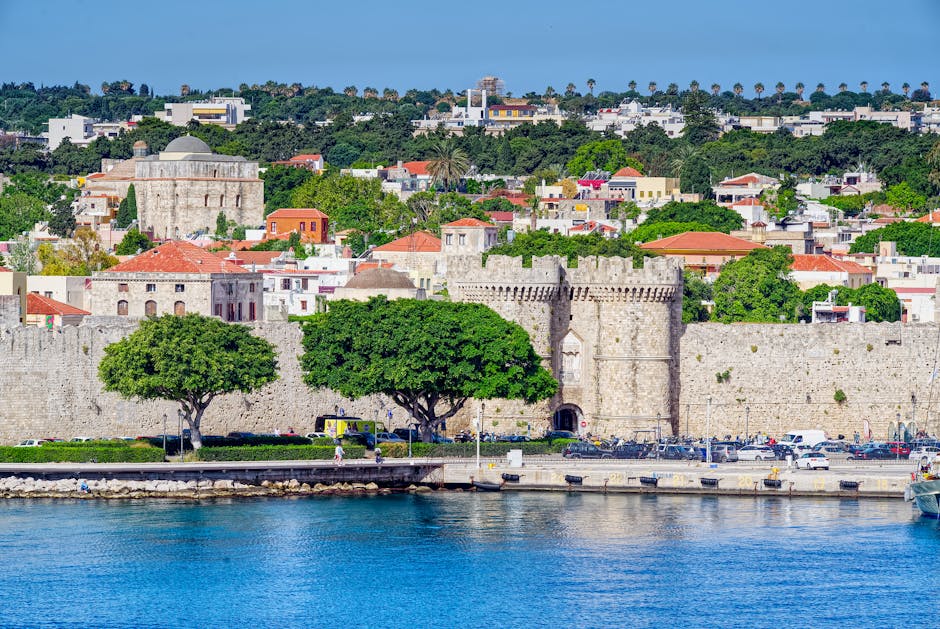
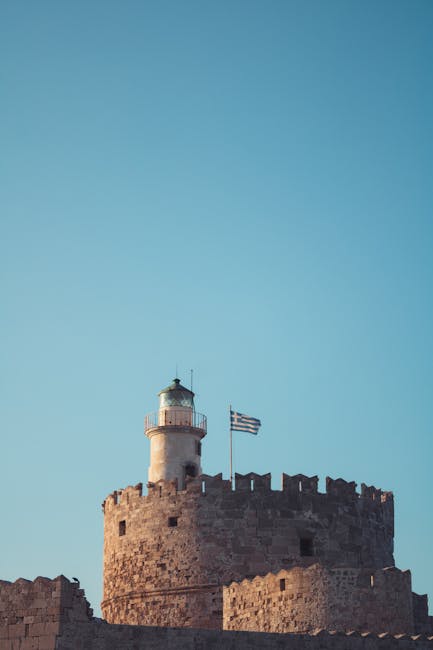
Hours: public harbour accessible at all times; nautical activities vary by season. Photo highlights: windmills, the deer statues at the harbour entrance, colorful fishing boats and views toward the ancient port entrance. Perfect for maritime images in the late afternoon.
Practical and respectful tips:
- Respect cordoned-off areas and don’t place your feet on fragile structures—heritage preservation comes before composition.
- Take your trash with you: bins are available in busier sections, but some parts of Monte Smith are sensitive; keep litter until you find a bin.
- Guided tours: if you want historical context, book a local guided tour (€10–25 depending on length and guide). Official guides can provide valuable timing and storytelling tips for structuring a photographic narrative.
- Photo safety: watch for strong light and reflections when using LCD screens; use hoods to protect gear from wind and sea spray. If you travel with professional equipment, make sure you have insurance.
Conclusion — Key takeaways and turning your shots into a story
The Monte Smith photowalk in Rhodes is more than a photo outing: it’s an immersion where history and light intertwine, inviting both reflection and creativity. With this guide you’ve got the essentials to plan your visit (practical address: Mont Smith, Rhodes 851 00, Greece), optimize shooting times (sunrise and sunset golden hours), master the gear you’ll need (wide-angle, telephoto, tripod and filters) and respect the archaeological site. The variety of motifs—columns, the ancient stadium, stone textures, Mediterranean vegetation and sea panoramas—lets you build a diverse series: wide shots, environmental portraits, tactile details and urban night scenes.
To create a coherent photo story, think about a narrative flow: start with mood-setting shots (panoramas and silhouettes at sunrise), move into detail images (stone, inscriptions, texture), then bring in human elements (strollers, wardens, fishermen at the harbour) to anchor the story, and finish with a strong visual ending at sunset or a night view of the illuminated Old Town. This structure guides the viewer’s eye and gives depth to your work.
Practical reminders: always check local hours and conditions before you head out (museums like the Archaeological Museum of Rhodes: Hospital of the Knights, Knights’ Street, 85100 Rhodes; entry around €6–8), bring enough water and sun protection, follow signage and avoid drone use without permission. Lastly, talk to local photographers and wardens—their knowledge of the best frames and timing is often the most valuable resource for perfecting your visit.
Happy planning, sharp eyes and great shots! May your Monte Smith photowalk bring you as many memorable images as moments of quiet contemplation—and may each photo tell a piece of Rhodes’ living history.