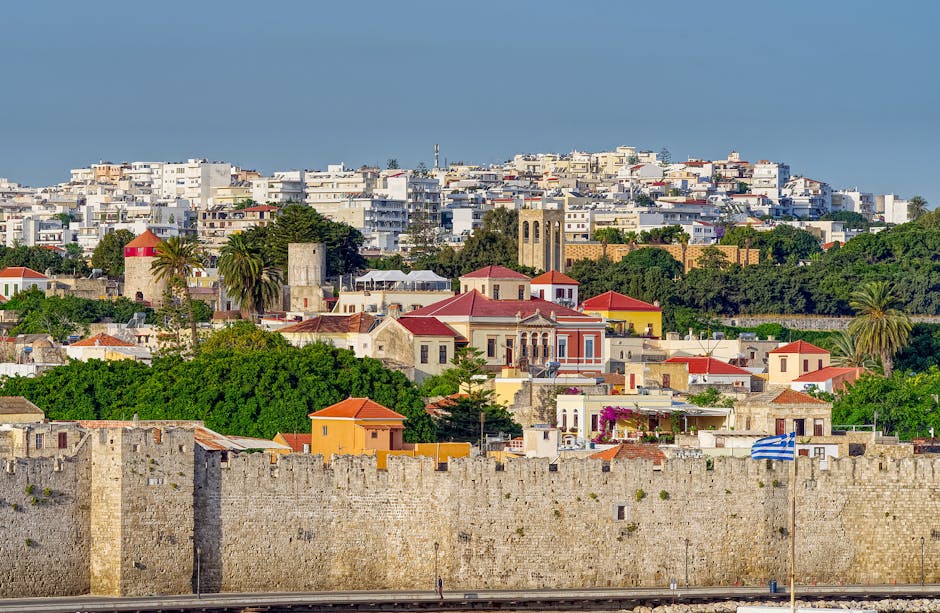





Introduction: Rhodes dresses up and puts on a mask
Rhodes, the large Dodecanese island, is famous for its ancient ruins, medieval walls and sapphire coastline. But every year, at the crossroads of winter and spring, it unveils another side of itself: carnival — apokries in Greek — a time when the island turns into a living theater of costumes, music and folk traditions. More than just a party, Rhodes’ carnival is a communal celebration blending Byzantine roots, rural customs and European influences, offering an immersive experience for curious travelers.
The carnival usually runs for several weeks and reaches its peak with the big procession through the Medieval Old Town and along Mandráki Harbour. Locals dress up as historical figures, folkloric creatures or contemporary characters, while community groups and schools compete in inventiveness when building floats and costumes. The spectacle isn’t for residents only: visitors are warmly encouraged to join in, dance to traditional and modern rhythms, and sample the ephemeral dishes that are part of the festivities.
Visiting Rhodes during carnival means experiencing the city at full human intensity: the cobbled lanes of the Medieval City of Rhodes pulse with music, public squares host mask-making workshops and costume contests, and tavernas and restaurants offer festive menus paired with ouzo or local wines. It’s also a chance to see how a society marked by Greek, Ottoman and Italian intersections creates a thoroughly modern festival while preserving ancient rites.
This guide will take you through the carnival’s emblematic places: where the main parade happens, the traditions and symbols to know, nearby monuments worth visiting, and above all how to take part without stress. You’ll find exact addresses (squares, museums, harbors), opening hours, price indications, practical tips for getting around and local recommendations to fully soak up the atmosphere. Whether masked or watching from the sidelines, get ready to see Rhodes reinvent itself, hear its songs and feel the warmth of an island that knows how to celebrate life.
 Click here to discover Rhodes’ Old Town with a guide
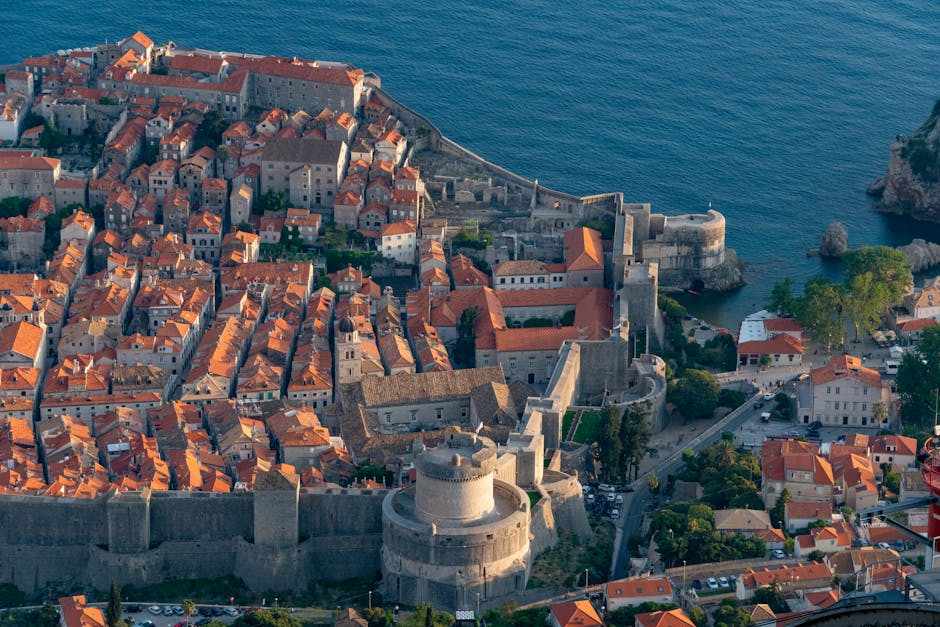
History and origins of Rhodes’ Carnival
Carnival traditions in Rhodes reach back to Byzantine times and beyond, when end-of-winter and renewal rites were marked by disguises and processions. In Greece, apokries — literally “the time before meat” — refers to the three weeks before the Orthodox Great Lent. On Rhodes, these popular practices drew on local customs: rural masquerades, village dances and purification rituals. Over time, under Venetian and later Italian influences (Rhodes was under Italian rule in the early 20th century), some European carnival elements merged with island celebrations, creating a hybrid carnival.
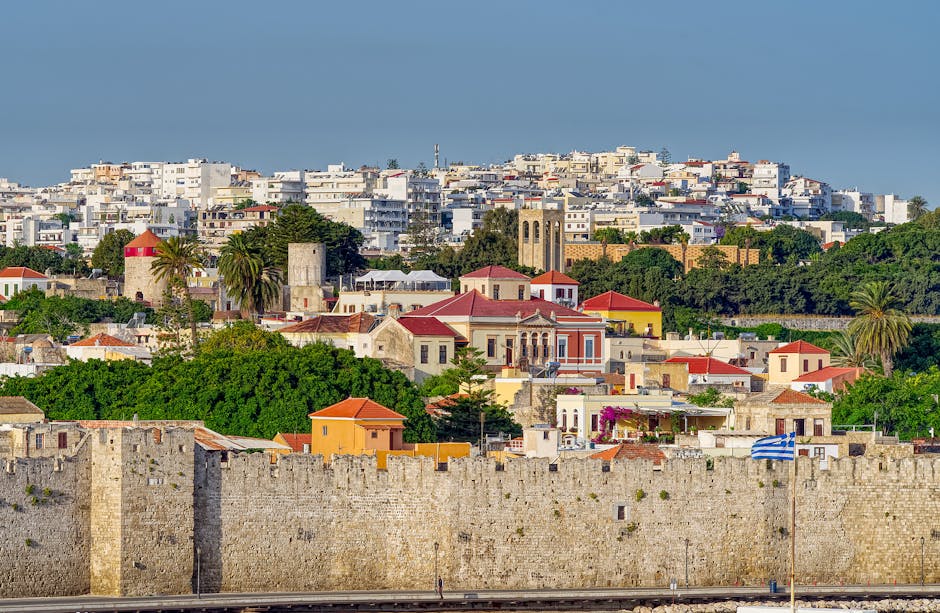
At the heart of this story, the Medieval City of Rhodes plays a symbolic role. Its fortifications, alleys and squares — like Platia Ippoton (Knights’ Square) — become the stage for long-standing parades. The Palace of the Grand Master of the Knights of Rhodes (Palace of the Grand Master), located at Ippoton Square, Medieval City, Rhodes 85100, sometimes provides the backdrop for opening ceremonies or outdoor concerts. This iconic monument is open to the public: typical opening hours in high season 08:00–20:00 and low season 08:00–15:00, with entrance fees around €6–€10 depending on temporary exhibitions. Visiting helps put into context the contrast between the fortress’ austerity and the carnival’s explosive joy.
The carnival’s traditional songs and dances contain elements inherited from ancient fertility cults: circles, symbolic chases and food exchanges. Local carnival groups (neighborhood cultural associations) preserve specific choreographies and melodies, sometimes passed down through generations. The carnival is also a place of memory: historical reenactments can recall episodes from Rhodes’ past, from the Knights of Saint John to more recent occupations, giving costumes extra layers of meaning. For the observer, understanding these historical layers deepens appreciation of the spectacle.
Click here to book a private tour of Rhodes’ must-see sites
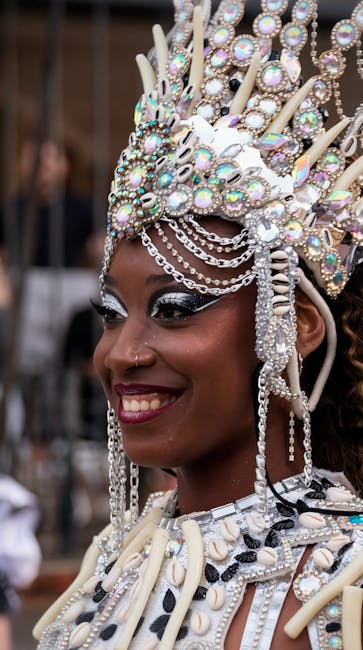
The main event: the big parade through the Old Town and along the harbour
The highlight of Rhodes’ carnival is the big parade that often winds between the Medieval Old Town (main entrance near the Gate of Amboise) and Mandráki Harbour (Mandráki Harbour, 85100 Rhodes). The route varies slightly each year, but traditionally passes highly photogenic spots: Hospital Street / Ippoton, Platia Ippoton (Knights’ Square), and usually finishes on the waterfront where floats and troupes gather for a final show in front of the public.
The parade generally takes place on a Sunday during apokries, often the week before Clean Monday. Official timings start late morning (around 11:00) with family-friendly activities and continue into the afternoon (main parade between 13:00 and 16:00). Large entertainment stages on the harbor can host concerts and DJ sets until about 20:00. Entry to most public areas is free, though some VIP sections or paid stands may require a ticket, ranging from €5 to €20 depending on location and services (if organized by the municipality).
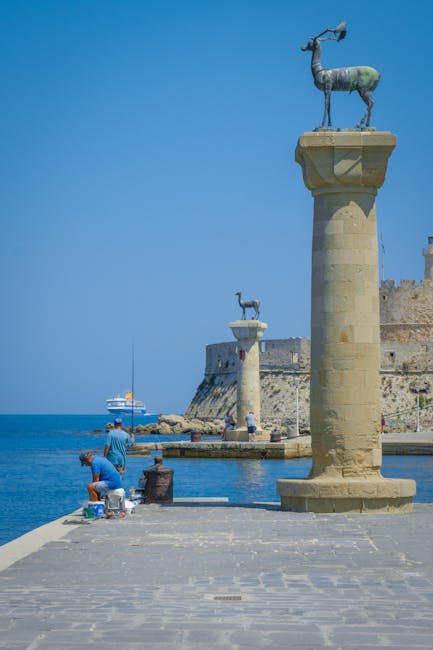
To enjoy the parade comfortably, aim to arrive early in the morning to secure a spot on Platia Ippoton or near the Archaeological Museum of Rhodes (Archaeological Museum of Rhodes, Street address: Hospital of the Knights, Ippoton Square, Medieval City, Rhodes 85100). The Archaeological Museum is usually open 08:00–20:00 in summer (shorter hours off-season), with tickets around €6–€8. From these vantage points you’ll get a close-up on costumes and floats as they pass through the narrow, echoing streets of the Old Town. The quays of Mandráki offer maritime panoramas, with windmills and the famous deer statues marking the harbor entrance.
Click here to book a private photoshoot in the Old Town
Traditions, costumes, music and food
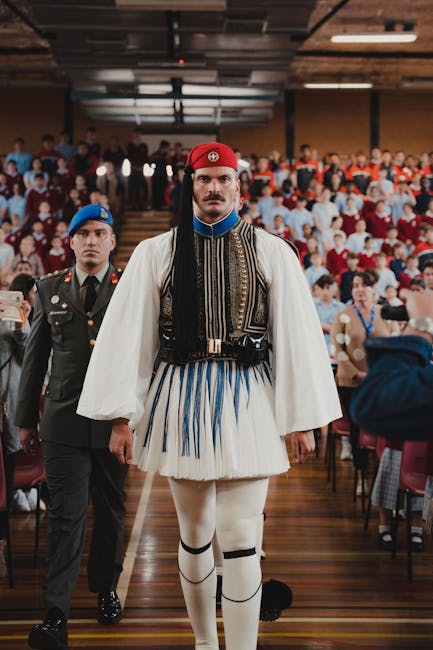
Rhodes’ carnival is a sensory festival: visual through costumes, sonic through music, and aromatic through street food. Costumes range from traditional (peasant outfits, cloth masks, embroidered headpieces) to spectacular (theme floats, contemporary creations made from recycled materials). Schools, sports clubs and cultural associations participate with sometimes satirical themes — political commentary and nods to local news aren’t uncommon. Prizes for costume contests are often symbolic (trophies, vouchers for local shops, invitations to events), but local pride and exposure are the real rewards.
The carnival soundtrack blends traditional drums with modern sounds. You’ll hear bouzouki tunes, Balkan percussion, and even pop hits remixed for the parade. Local folk bands perform circle dances (syrtaki, kalamatianos) in the squares, while DJs energize the harbor. Side events can include mask-making workshops (often free or low-cost, typically €3–€10), street performances and evening concerts (tickets €10–€30 depending on the lineup).
On the culinary side, carnival is the moment to try seasonal treats: loukoumades (honey-drenched doughnuts) sold at stalls for about €2–€4 a portion, komidia (local pastries), and shared mezzés enjoyed with family. Taverns in the Old Town — for example around Sokratous Street — offer special menus. For a sit-down meal expect to pay between €12 and €30 per person depending on the place and menu. Tip: book ahead if you want to dine in the Old Town on the night of the big parade.
Click here to learn Greek cooking and taste local wines
Local practical tips: getting around, where to stay, safety and gear
Taking part in the carnival requires a bit of planning. Here are practical pointers and useful addresses to make the most of your experience:
- Transport: Rhodes’ KTEL bus system serves the city from the main bus station (KTEL Bus Station, approximate address: Dimokratias Avenue / Omonoias Street, Rhodes 85100). Taxis are plentiful but journeys can take longer because streets fill up during the festivities. If you’re staying near the center, walk into the Old Town; there are several parking lots outside the walls (e.g. Eski Mosque Parking, near the Gate of Amboise).
- Accommodation: Book early: hotels near the Old Town and Mandráki Harbour (for example on Sokratous Street or near Ippoton) often sell out during carnival. Options range from small family-run hotels (~€40–€80/night) to boutique properties (~€90–€150/night).
- Health and safety: First aid stations are usually set up along main parade routes, but bring a small personal first-aid kit. Watch your step on narrow, sometimes slippery cobblestones, and follow municipal safety instructions. Local authorities may post traffic detours; check the Municipality of Rhodes’ official page for updates.
- Gear: Comfortable shoes, a warm layer for the evening (sea breezes can cool things down), and a small headlamp or a phone power bank. If you’re wearing a costume, plan for mobility and safety (avoid sharp elements).
- Language and money: Greek is the official language, but English is widely spoken in tourist areas. Always carry some cash (euros) for small purchases: street stalls, local transport and tips. Most restaurants accept cards, but some street vendors do not.
Finally, respect the site: the Medieval City of Rhodes is a protected heritage area that requires mindful behavior to preserve its stones and monuments. Use the bins provided, don’t climb the walls and follow marked routes. In return, Rhodes will reward you with a memorable carnival full of color, noise and human warmth.
Click here to book a day trip to the village of Lindos
Useful addresses and summarized opening hours
– Palace of the Grand Master of the Knights of Rhodes (Palace of the Grand Master), Ippoton Square, Medieval City, Rhodes 85100. Hours: summer 08:00–20:00, winter 08:00–15:00. Admission: €6–€10.
– Archaeological Museum of Rhodes (Hospital of the Knights), Ippoton Square, Medieval City, Rhodes 85100. Hours: 08:00–20:00 in season. Admission: €6–€8.
– Mandráki Harbour (Mandráki Harbour), Mandráki, Rhodes 85100. Free access; carnival activities according to the municipal program (main events on a Sunday during apokries).
– KTEL Rhodes Bus Station (main bus station), Dimokratias Avenue / Omonoias Street, Rhodes 85100. Timetables vary by route; tickets available on site.
These hours and prices are indicative and may change with the season or municipal decisions. Check official sites or the Municipality of Rhodes’ Facebook page for the exact program for the current year’s carnival.
Conclusion: why you should experience Rhodes’ carnival
Attending Rhodes’ carnival isn’t just watching a show: it’s being invited into a communal celebration that condenses history, identity and local creativity. Between the centuries-old walls of the Old Town and the deep blue of Mandráki Harbour, costumes and floats become storytelling devices that narrate the island — its victories, memories and hopes. For travelers, it’s a rare opportunity to see island Greek culture transformed into a popular festival where generations mingle and the past converses with the present.
Practically speaking, the carnival offers a rich array of experiences: spectacular parades, hands-on workshops, concerts, tastings and cultural visits to monuments like the Palace of the Grand Master or the Archaeological Museum. By preparing (book accommodation, arrive early on parade day, bring suitable gear) you maximize your chances of enjoying the atmosphere without stress. And for those who want to keep exploring, carnival season is a great window to visit other island treasures: Elli Beach (Elli Beach, Rhodes 85100), the village of Lindos and its Acropolis (Acropolis of Lindos, Lindos 85107), all accessible as day trips.
In the end, Rhodes’ carnival is an invitation to conviviality. Whether you come for the colorful costumes, the catchy music, or simply to share a loukoumades on the harbor, you’ll leave with an authentic human experience. The festival will give you unforgettable images: lit cobbled streets, masked faces, circle dances and the joyful noise of a community that loves to celebrate. So pack a costume, keep an open mind and let Rhodes reveal its most festive side.
Click here to discover the island with wine, olive oil and honey tastings