





Introduction: Treasure Hunting in Rhodes — History and Unexpected Finds
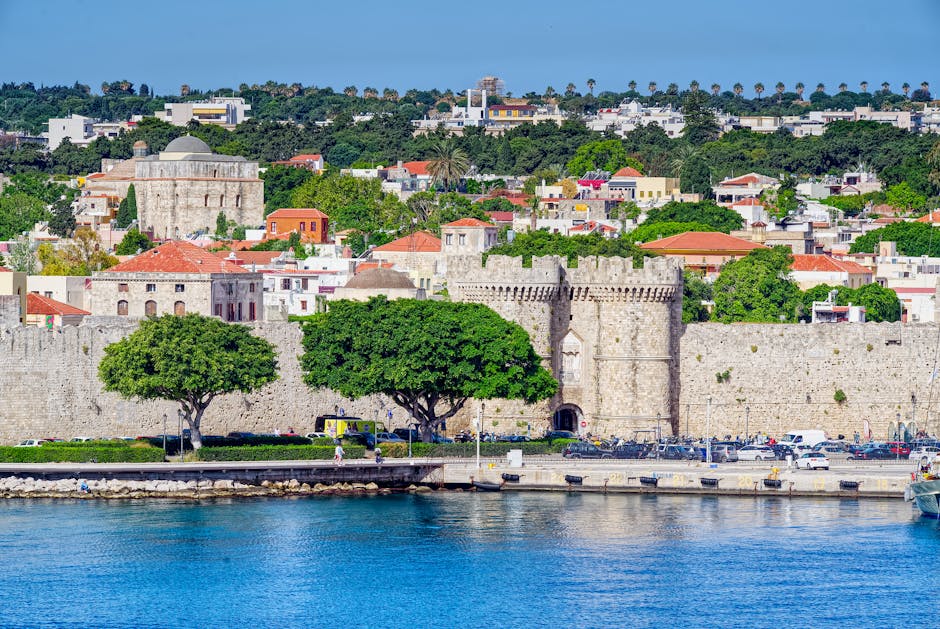
Rhodes, the iconic island of the Dodecanese, isn’t just a showcase of medieval architecture and sun-soaked beaches. It’s also a fantastic playground for bargain hunters, antique lovers and strollers searching for objects with a story to tell. Between the cobbled alleys of the fortified Old Town, the quays of Mandraki, covered markets and seaside flea markets, Rhodes offers a variety of spots to uncover local goods, handmade ceramics, vintage jewelry, old postcards and surprising second-hand finds. Hunting for treasures here is a way to touch the island’s memory — a place shaped by the Knights of St. John, the Ottomans, the Italians and a proud Greek population keeping its traditions alive.
This guide will walk you through Rhodes’ must-see markets, with precise addresses, opening hours, price ranges and vivid descriptions to plan your treasure-hunting days. Whether you’re a collector after an old banknote, a curious tourist wanting a hand-painted plate, or a casual wanderer after a pleasant find, Rhodes’ markets have something for everyone. We’ll cover iconic Old Town spots, outdoor markets in the newer districts, and seasonal fairs and flea markets across the island. Every stop is presented as a sensory experience: the scent of spices, the tinkle of jewelry, light reflecting on glazed pottery and the friendly buzz of bargaining.
Besides the fun, bargain-hunting in Rhodes needs a little prep: know peak hours, learn to haggle respectfully, have a sense of fair prices and be aware of export rules for antiques. We’ll include local practical tips — when to visit to avoid crowds, how to spot real ironwork rather than a reproduction, which documents to ask for with antiques, and where to get a piece repaired or authenticated. Finally, so your purchases become lasting keepsakes and not just souvenirs, we’ll point out restoration workshops and addresses for safe packing or shipping of bulky items. Pack your bag, grab your camera and bring your curiosity: the hunt starts here.
The Mandraki Old Port Market: Nautical Souvenirs and Antiques
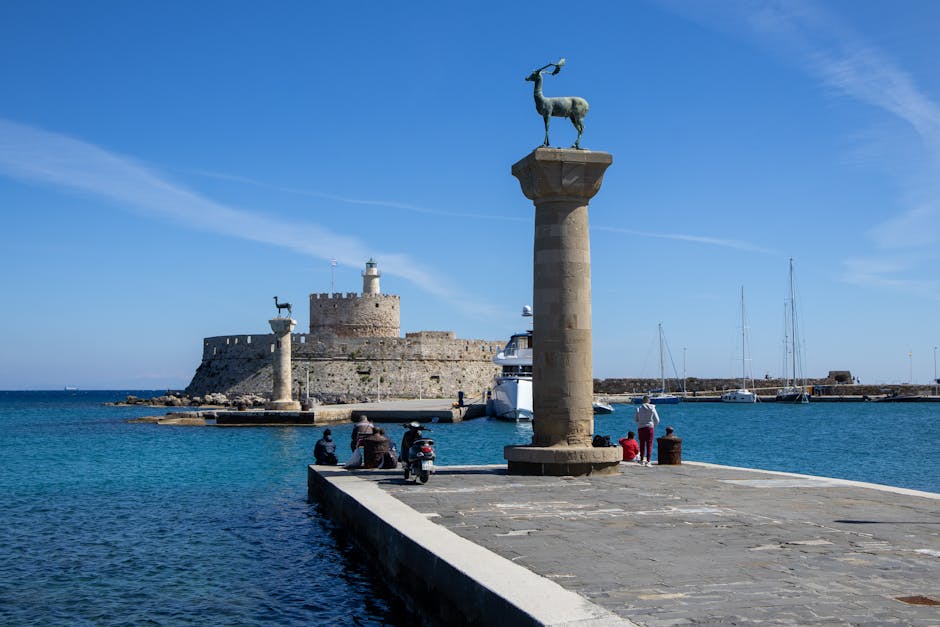
Mandraki Harbour, located northeast of Rhodes Old Town, has long been a magnet for visitors hunting sea-related items and small antiques. Address: Mandraki Harbour, Mandraki, Rhodes 851 00. The liveliest market in this area stretches along the quays near the Deer Monument and the windmills of Rhodes, especially along the promenade Leoforos Alexandrou Diakou that borders the port. Here stalls line up with nautical souvenirs (ropes, decorative compasses, model boats), handmade silver and coral jewelry, and stands selling prints and vintage postcards.
Opening hours: the commercial area along the port is active every day, peaking between 09:00 and 19:00 in high season (May–Sept). Some vendors close in the afternoons during low season (Nov–Mar) and reopen later in the evening. Indicative prices: magnets and small postcards €1–3, costume jewelry €8–35, handcrafted boat models €25–150, small antiques (frames, trinkets) €20–120. Entry is free — it’s an open-air market with no access fee.
Atmosphere and tips: Mandraki is very photogenic at sunrise and sunset — those golden hours are perfect for spotting items in flattering light. For true antiques (brass objects, old navigation instruments), favor long-established dealers and ask for certificates or provenance evidence where possible. If you plan to buy a bulky piece, check shipping options with local agencies (prices vary, often €30–150 depending on size and EU destination) or ask nearby shops about secure packing solutions offered close to the port.
 Click here to book an Anthony Quinn, Ladiko and Caves cruise
Sokratous Street and the Covered Market in the Old Town: Medieval Finds and Local Crafts
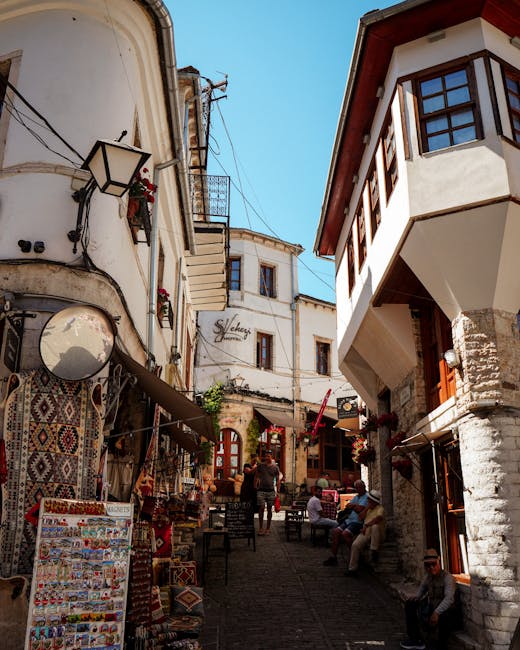
In the heart of Rhodes’ medieval Old Town lies one of the most historic shopping streets: Sokratous Street and its side alleys host a bustling market and several traditional shops. Approximate address: Sokratous Street, Old Town, Rhodes 851 00 (just steps from the Porta Marina). The covered market, often called the « Old Bazaar » or « Covered Market, » sits around surrounding streets and small squares like Plateia Ippokratous and Plateia Kostaki, where you’ll find permanent stalls and artisan shops.
Opening hours: most shops and stalls open from 09:30 to 14:00 and then again from 17:30 to 21:30, with busy daytime activity. In summer the streets often stay lively until 23:00. Prices: food items and spices €2–15, decorative handcrafted pottery €12–60, embroidered textiles €20–120, fine silver jewelry €40–250 depending on the piece. Access to the Old Town is free, though some nearby museums and sites (Grand Master’s Palace, Street of the Knights) require separate tickets (Grand Master’s Palace roughly €8–12 depending on season).
Setting and experience: strolling down Sokratous Street you’ll inhale scents of spices, leather and wood. Artisan shops offer ironwork, hand-painted pottery, traditional weavings and jewelry inspired by Byzantine and Ottoman motifs. Look for discreet signs marked « Antiques » to uncover old editions, postcards and glassware. Vendors are generally warm; a friendly smile and a few Greek words (« Kalimera ») always help. Haggling: start by offering about 10–20% below the asking price for handcrafted goods, and more for trinkets without certificates.
Click here to join a traditional pottery workshop
The Municipal Market (Dimotiki Agora) and Ippokratous Square: Fresh Produce, Local Flea Finds and Artisans
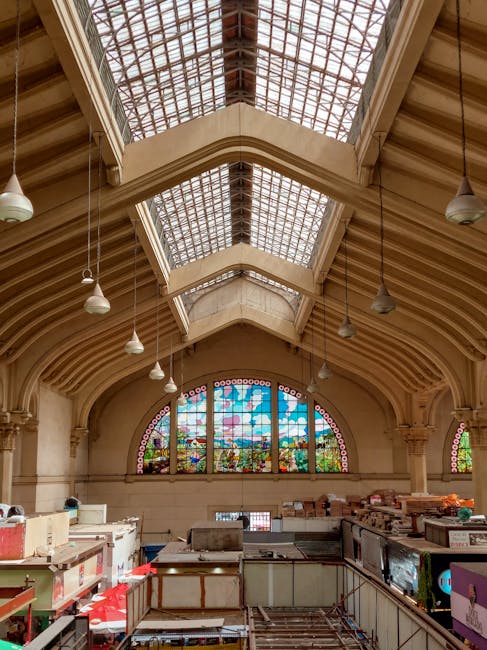
Rhodes’ municipal market, locally known as Dimotiki Agora, is a must for anyone wanting to mix bargain-hunting with tasting local produce. Address: Dimotiki Agora, Plateia Ippokratous 2, New Town (Neo Politiko), Rhodes 851 00. Located close to the Old Town and within walking distance of Mandraki, this covered market brings together fruit and vegetable stalls, fishmongers, cheesemongers, and occasionally stands with second-hand goods and light antiques during busy days.
Opening hours: generally 07:00–15:00 Monday to Saturday; some stalls also open Sunday mornings in summer. Prices: local fresh products (honey, olives, cheeses) €3–12 depending on product and quantity; small furniture and second-hand items €10–80; vintage glasses and tableware €8–45. Market entry is free.
Why hunt here: the municipal market is ideal for combining food shopping with finds. Early in the morning, some vendors set up family-archive stalls: old cookbooks, frames, metal molds and vintage utensils. It’s also the place to spot small upcyclable furniture (coffee tables, chairs) at reasonable prices. Practical tip: arrive early for the best selection and deals, and bring extra bags or a foldable suitcase. For fragile items, ask for newspaper or bubble wrap — most sellers don’t supply it, but can often point you to a nearby packing shop (often on Katapoliani Street or near the bus station).
Click here to taste wines, olive oil and honey in Rhodes
Seasonal Markets and Island Flea Markets: Treasure Hunts Beyond the City
Beyond Rhodes Town, the island hosts several seasonal markets and flea markets throughout the year, especially during summer and transition months (May/June, Sept/Oct). The municipalities of Lindos, Faliraki, Kallithea and Afandou regularly hold craft fairs where contemporary creators mix with antique dealers and second-hand sellers. Here are a few events to note:
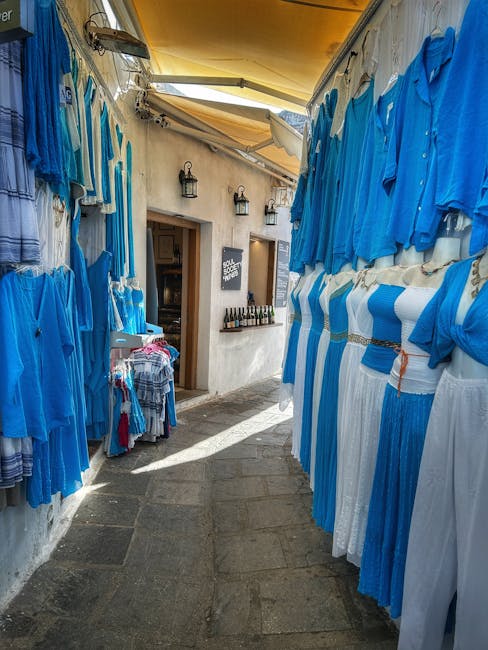
- Lindos Market (Lindy Street Market) — Address: Village Square, Lindos 851 07. Hours: weekly morning market, especially in summer from 09:00 to 14:00. Prices: local crafts €10–80, textiles €15–90. Vibe: with views over the Lindos acropolis, it’s perfect for combining cultural visits with shopping.
- Faliraki Flea Market — Address: Faliraki Main Road, Faliraki 851 00 (occasional fairs near the beach). Hours: evening events in summer, often 18:00–23:00. Prices: trinkets, vintage fashion €5–60.
- Kallithea Summer Fair — Address: Kallithea Springs Area, Kallithea 851 05. Hours: events organized by the municipality — check local calendars (usually summer evenings). Admission varies by event (often free).
Local tips: to find exact dates and avoid disappointment, check the Rhodes tourism office website (RhodesMunicipality.gr) or ask at the Old Town tourist information office (address: Plateia Kritinia, Rhodes Old Town). At flea markets, bring small bills (€5–20) — many vendors prefer cash. If you discover a genuine antique (over 100 years old), always request an export document or a proper invoice for export outside the EU; some items require certificates from the Greek Ministry of Culture.
Click here to visit Lindos and its local market
Practical Tips for Smart Bargain Hunting in Rhodes
Hunting for bargains in Rhodes is rewarding, but a few simple rules will improve your experience and help you make safe, sustainable purchases. Here are detailed recommendations:
- Time of day: favor early morning (08:00–11:00) for food markets and to spot the best items before they disappear. Late afternoons (17:00–19:30) are ideal in the Old Town when the light enhances textures and colors.
- Haggling: bargaining is common in Greece but done politely. Start by offering 10–30% less than the displayed price on handcrafted items, and up to 40–50% less for clear flea-market trinkets. For antiques, request authenticity proof and don’t hesitate to consult an expert before committing to expensive purchases.
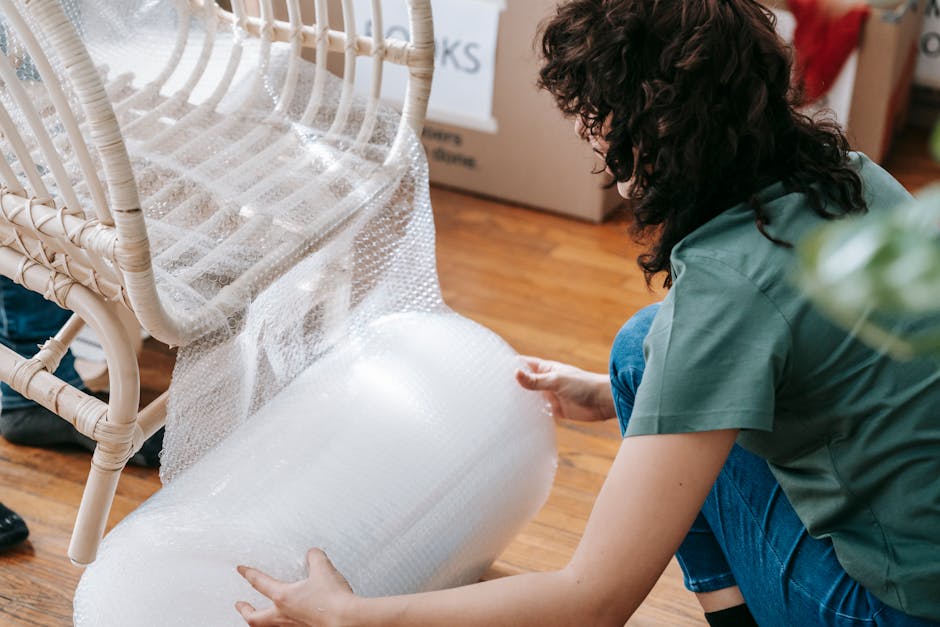
- Transport and shipping: for large buys, ask about local freight agencies (Rhodes Shipping Services, office near Mandraki) or international shipping services. Expect to pay often €40–200 depending on volume and European destination. For secure packing, look for shops that provide reinforced cardboard and bubble wrap (usually near the bus station or the port).
- Authenticity: avoid buying allegedly antique items without an invoice. Classified antiques must be accompanied by a certificate from the Greek Ministry of Culture. If an object is expensive and appears old, request an appraisal or walk away if no documentation is available.
- Language: a few Greek words (Kalimera = hello, Efharisto = thank you, Poso kanei? = how much?) open doors and soften negotiations.
- Safety: keep valuables in a secure bag and avoid displaying large amounts of cash in public. Pickpockets exist, as in any busy tourist area.
Conclusion: Bringing a Piece of Rhodes Home
Hunting for treasures in Rhodes is more than shopping — it’s an immersion in an island where every stone and object tells a story. From Mandraki’s lively quays to the fragrant alleys of Sokratous Street, from the stalls of the municipal market to the summer flea markets in Lindos and Faliraki, each market has its own atmosphere and finds for every budget. Your purchases can be practical (honey, olive oil, textiles), decorative (pottery, paintings, brass objects), or exciting for collectors (vintage postcards, patinated furniture, vintage jewelry). The key is to be curious and respectful: take time to talk to sellers, ask about an item’s history, verify its origin, and negotiate with tact.
Learning a few local rules — when to come, how to haggle, and what administrative steps are necessary to export antiques — will save you headaches and help you make purchases you’ll enjoy for years. Also combine market stops with tasty breaks: a Greek coffee in a sunny square, loukoumades from a stall, or a local cheese tasting will heighten the sensory experience. Finally, keep receipts and certificates for valuable items, pack your souvenirs carefully and use local shipping services if you need to send items abroad.
Ultimately, bargain-hunting in Rhodes is like writing your own travel journal of objects: each find becomes a chapter, every seller a storyteller. Whether you leave with a small hand-painted ceramic figurine, a patinated brass lamp or an old book, you’ll take home a tangible keepsake and a connection to the many cultures that shaped the island. Ready your steps, your questions and your eye — Rhodes is waiting, full of treasures to discover.
Click here to taste wines on a guided walk