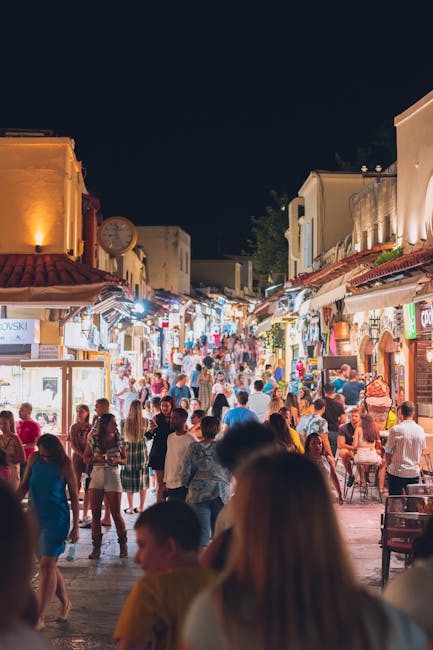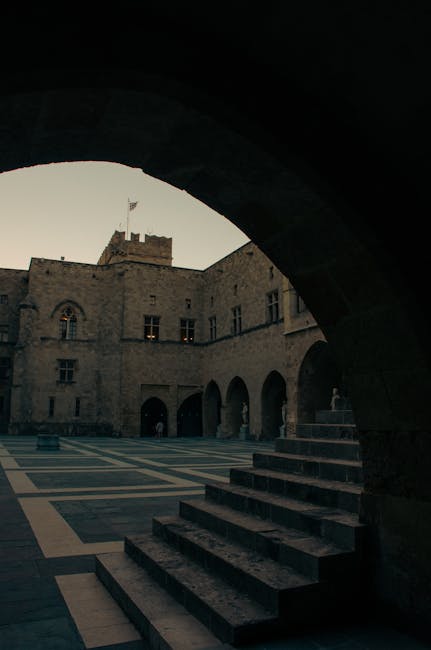






Introduction: A Deep Dive into Rhodes Old Town’s Medieval Market
Rhodes Old Town is a living stone maze full of secrets and stories. Perched on the island’s northeast tip and protected as a UNESCO World Heritage site, it’s one of the Mediterranean’s best-preserved medieval ensembles. The medieval market winding through its narrow streets is more than a shopping area: it’s a stage for objects, flavors and crafts passed down through centuries of encounters, invasions, artisans and travelers. For the curious visitor, it hides unexpected treasures—not just souvenirs to take home, but experiences that reveal the soul of Rhodes.
Framed by imposing ramparts, the Gate of Amboise (Address: Plateia Ippoton, Rhodes 85100) and the Saint Nicholas tower, the market has drawn a steady flow of vendors, innkeepers and traders since the Knights of Rhodes era. Today, Sokratous Street, the Street of the Knights (Ippoton), Hippocrates Square and the surrounding alleys still offer a rich palette: rugs and textiles, silver jewelry, painted pottery, dried herbs, artisan olive oils and tiny marquetry workshops. But beyond the usual wares, it’s the unexpected find—a carving from a studio, a handwritten calligraphic scroll, a quince wine made to a family recipe—that turns a visit into a lasting memory.
This article offers a guided exploration of the hidden gems in Rhodes Old Town’s medieval market: must-see spots, exact addresses, opening hours, price ranges and practical tips to track down the most authentic pieces. We’ll also describe the atmosphere at different times of day, how to bargain respectfully, and routes that combine your discoveries with landmark sites like the Palace of the Grand Master, the Archaeological Museum and the Kahal Shalom synagogue.
Whether you’re a collector, photographer, fan of traditional food or a casual stroller, this guide focuses on an immersive experience: how to spot genuinely local ceramics, where to taste homemade loukoum, which shops are best for handcrafted silverware, and how to obtain a certificate of authenticity for a mosaic. We’ll include mental maps described as walking routes, tips to avoid peak hours and advice to protect your purchases during travel.
Get ready to discover window displays that tell stories—items that, under soft light, reveal imperfections as human traces. Rhodes’ medieval market is where the old conversations with the present: a craftsman restoring a 17th-century chest next to a stall selling bay-scented soaps, an elderly woman embroidering traditional patterns while a group of musicians plays Cretan tunes. Follow us step by step through this detailed journey into the Old Town, and let these hidden treasures spark your curiosity.
 Click here to book a guided tour of the Old Town
Must-walk Streets: Sokratous, Ippoton and the Artisans’ Alley
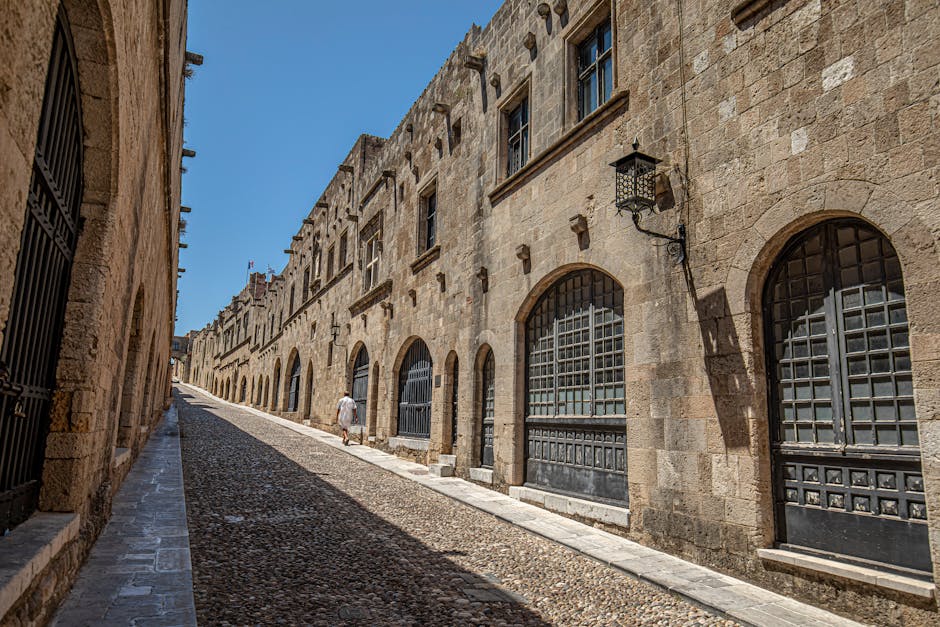
At the heart of the medieval market, three streets form the backbone of commercial life: Sokratous Street, the Street of the Knights (Ippoton) and the artisans’ lane that stretches behind Hippocrates Square. Each has its own personality: Sokratous is the liveliest, Ippoton is solemn and photographed for its Knights’ houses, and the artisans’ lane charms with tiny workshops where you can see craft in action.
Sokratous Street (Main address: Sokratous 20, Rhodes Old Town, 85100 Rhodes) has been the tourist shopping hub for decades. Typical hours: most shops open between 09:00 and 21:00 in high season (May–Sept) and reduce to 09:00–18:00 off-season. You’ll find spice shops, jewelers, textile stands and cafés. It’s the perfect place to start your treasure hunt, but be aware that some stores focus on volume; for genuinely handmade goods, look for signs reading « handmade » or « traditional. »
Ippoton / Street of the Knights (Ippoton 4–24, Rhodes Old Town, 85100 Rhodes) is lined with Gothic mansions, each once occupied by a knightly order. The street alone is worth a visit: here you’ll find the Archaeological Museum of Rhodes, housed in the Knights’ Hospital (Museo Archeologico Di Rodi, Address: Ippoton Street 8, 85100 Rhodes). Opening hours: 08:00–20:00 (April–Oct) / 08:00–15:00 (Nov–Mar). Indicative price: €8.00 full price, €4.00 reduced (students, seniors). In the alleys off Ippoton, small chasing and silversmith workshops often open on request.
The artisans’ lane, not always shown on maps, sits behind Hippocrates Square (Hippocrates Square, Address: Platía Ippótous, Rhodes Old Town, 85100 Rhodes). There you’ll discover studios producing: silver and amber jewelry, ikat and traditional embroidery, mosaics and small marquetry wooden furniture. Many artisans accept visits by appointment; some charge for private demonstrations (expect €5.00–15.00 depending on duration and type of demo).
Practical tips: arrive early (9:00) to see artisans at work, favor late afternoon for perfect light for photos, and always ask about an item’s story—serious sellers love to explain materials and techniques. When bargaining, start at 20–30% below the listed price and wait for a counteroffer: haggling is common but should be done courteously. Keep some cash in euros (€5, €10 and €20 notes); many small stalls accept cards less often.
Click here to join a master pottery class
Tangible Treasures: Rare Finds, Jewelry and Local Handicrafts
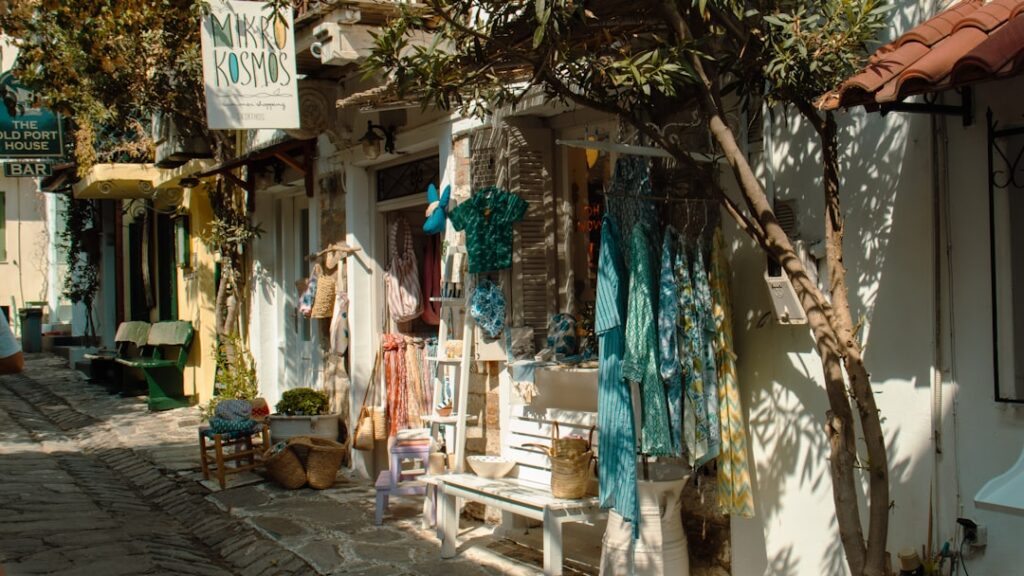
Among the market’s hidden gems, the tangible objects are the most immediately rewarding: handmade jewelry, miniature mosaics, decorated ceramics, crafted knives and restored chests. Some pieces come from local families and appear for sale after decades in storage. Spotting the real thing takes a trained eye and a few markers: silver hallmarks, workshop signatures, natural wood patina or signs of wear on leather.
Silver and amber jewelry: small specialty shops sell pendants, bracelets and brooches inspired by Byzantine and knightly motifs. Recommended address: « Atelier Argiro » (Argyro Silver Workshop, Address: Sokratous 14, Rhodes Old Town, 85100 Rhodes). Hours: 10:00–19:00 (daily). Price examples: simple silver pendant €25.00; amber-inlaid artisan ring €55.00–120.00; custom necklace from €80.00. Ask to see the silver hallmark (925 for sterling) and request a certificate of authenticity for valuable pieces.
Ceramics and pottery: local potters keep traditional techniques alive; hand-painted pieces often feature marine motifs or mythological scenes. Noted studio: « Rhodes Pottery Studio » (Address: K. Petrou 7, Rhodes Old Town, 85100 Rhodes). Hours: 09:30–18:30 (closed Wednesday). Price examples: small hand-painted bowl €12.00; large decorative platter €45.00–110.00. Check for the artisan’s signature on the back and the quality of the glaze: excessive crazing can indicate long storage or future thermal shock.
Miniature mosaics and restored fragments: some workshops offer small mosaics mounted on panels, inspired by local archaeological finds. Recommended workshop: « Mosaics of Rhodes » (Address: Ippoton 16, Rhodes Old Town, 85100 Rhodes). Hours: 10:00–17:00 (extended in high season). Price examples: 20×20 cm mosaic €65.00; 40×40 cm mosaic €180.00. Workshops can provide a certificate detailing materials (glass tesserae, marble) and technique (opus tessellatum).
Restored chests and furniture: specialists buy old furniture, restore it and resell. Address: « Restorations by Dimos » (Address: Agiou Fanouriou 3, Rhodes Old Town, 85100 Rhodes). Hours: 09:00–17:00 (afternoons by appointment). Prices: small restored chest €120.00; restored antique wardrobe from €450.00. Ask for before-and-after photos and an inventory of the restoration work—useful for insurance and export documentation.
Practical buying tips for tangible items: insist on a detailed invoice (seller’s name, address, item description, price), keep receipts, check export rules for art and antiques (some objects may need export permits), and request secure packaging if you plan to fly with fragile items. For small purchases, cash is usually preferable and ask for appropriate packing to avoid damage.
Click here to book a seaside mosaic workshop

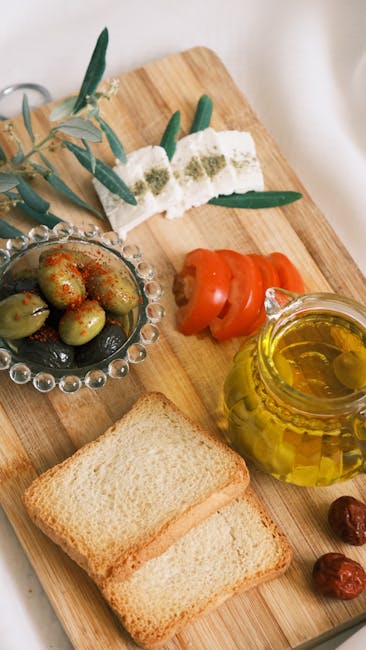
Tastes and Scents: Spices, Oils, Honeys and Local Sweets
Rhodes’ medieval market is a feast for the senses. The alleys smell of spices, fruity olive oil, fragrant honeys and traditional pastries. Sampling these flavors is essential if you want to take a tasty island fragment home—products that speak of the land, climate and age-old know-how.
Spices and dried herbs: around Sokratous and the market, several stalls sell local spice blends—za’atar, Rhodes oregano, wild thyme and souvlaki mixes. Recommended: « Spice Bazaar Rhodes » (Address: Sokratous 6, Rhodes Old Town, 85100 Rhodes). Hours: 09:00–20:00 (high season). Price examples: 50g bag of wild oregano €3.50; 100g grill spice mix €4.50. Tip: always smell the spice—freshness shows in a bright aroma, not a dull one.
Artisan olive oils: the island produces oils with varied aromas. Look for local producers selling unfiltered bottles labeled « extra virgin » with Rhodes origin specified. Recommended producer: « Olive Grove Tasos » (Address: Souvenir Street, Old Market area, Rhodes Old Town, 85100 Rhodes). Hours: 10:00–18:00. Prices: 250 ml bottle €6.50; 500 ml €12.00; premium 500 ml €18.00–25.00.
Honeys and preserves: thyme and mountain honey are classics. Recommended shop: « Melissario » (Address: Hippocrates Square 2, Rhodes Old Town, 85100 Rhodes). Hours: 09:00–19:00. Prices: 250g jar of honey €7.00; artisan jam set 3 jars €12.00. Sellers often offer small tastings—use them to compare texture and aroma.
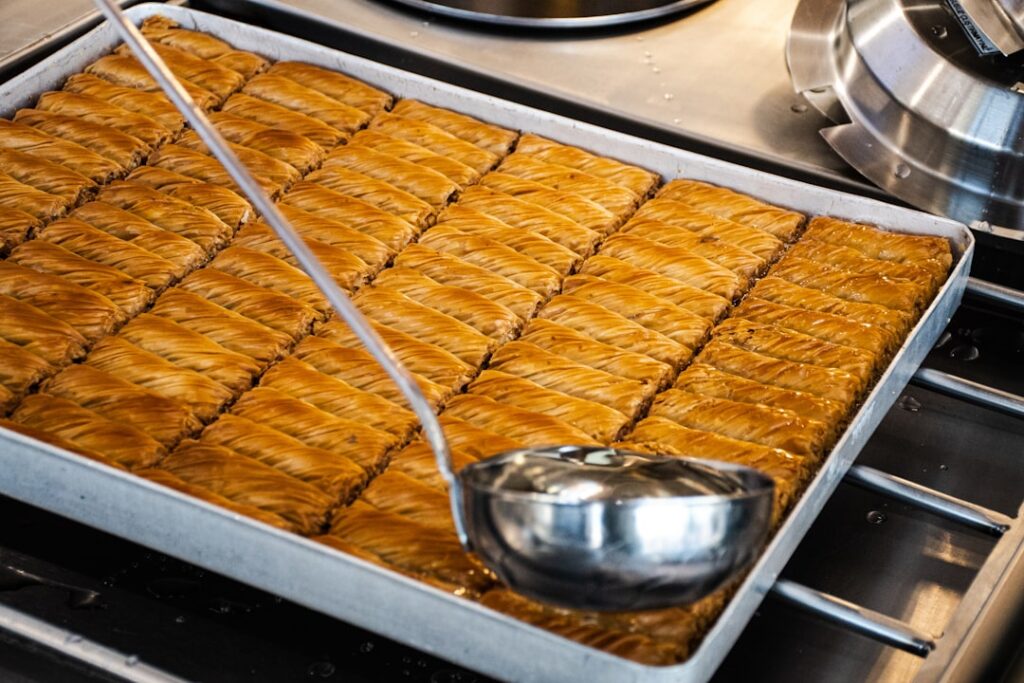
Local sweets: don’t leave without tasting homemade loukoum (Turkish delight), flaky baklava and almond cookies. Where to try: « Kormo Bakery » (Address: Sokratous 30, Rhodes Old Town, 85100 Rhodes). Hours: 08:00–21:00. Prices: loukoum piece €0.60; 250g box of baklava €6.00; pastry assortment €10.00.
Practical food-buying tips: check expiration dates on packaged goods, ask about storage conditions for oils and honeys (avoid excessive heat), request vacuum packing for fragile items, and follow your country’s customs rules on return. Prefer tastings—they’re usually free and help you distinguish a true artisan from a volume seller.
Click here to taste local olive oil and wines
Cultural Pearls: Workshops, Museums and Hidden Historic Spots
Beyond stalls, the medieval market is woven into a dense cultural fabric: small museums, artisan workshops, discreet chapels and libraries. These quieter places are less toured than major attractions but provide valuable context for the items sold on the stalls.
Archaeological Museum of Rhodes (Museo Archeologico Di Rodi) — Address: Ippoton Street 8, Rhodes Old Town, 85100 Rhodes. Hours: 08:00–20:00 (April–Oct), 08:00–15:00 (Nov–Mar). Price: €8.00 full / €4.00 reduced (students, seniors). Housed in the old Knights’ Hospital, it displays sculptures, mosaics and finds from the island, offering an essential overview of Rhodes’ history and the surrounding islands. Don’t miss the inner courtyard where small temporary exhibitions are sometimes held.
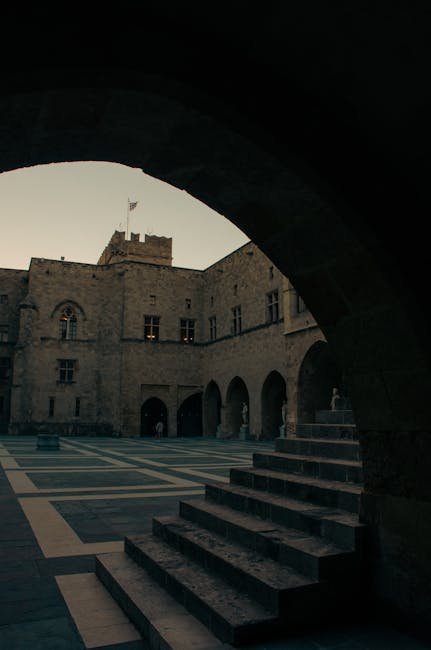
Palace of the Grand Master (Palace of the Grand Master of the Knights of Rhodes) — Address: Platia Ippoton (Plateia Ippotón), Rhodes Old Town, 85100 Rhodes. Hours: 08:00–20:00 (April–Oct) / 08:00–15:00 (Nov–Mar). Indicative price: €10.00 full / €5.00 reduced. The palace dominates the western part of the Old Town and helps explain the power of the Hospitallers. From its terraces, the view across tiled roofs to the sea is inspiring.
Kahal Shalom Synagogue (Kahal Shalom Synagogue) — Address: Eleftherias Square 3, Rhodes Old Town, 85100 Rhodes. Hours: visits possible on request and depending on services (contact the local custodian to confirm). It’s one of the oldest synagogues in Greece and a key site for the Jewish history of Rhodes. Local volunteers can sometimes organize private visits.
Artisan workshops and private mini-museums: several craftsmen keep small private collections tied to their trade—old tools, family photos, heritage pieces. Example: « Byzantine Weaving Workshop & Collection » (Address: Agiou Ioannou 5, Rhodes Old Town, 85100 Rhodes). Hours: visits by appointment. Prices: typically €5.00–15.00 per guided visit, sometimes included with a purchase.
Practical tips for visiting these places: buy a combined ticket if available (the Palace and Museum sometimes offer discounted joint tickets), check the schedule of exhibitions and concerts in the museum courtyard, respect photography rules inside (some rooms ban flash), and plan a morning visit to avoid crowds. Ask local shopkeepers for recommendations—they often know off-the-beaten-path spots not in printed guides.
Click here to book a private walking tour with a certified guide
Practical Tips and Sample Itineraries for a Perfect Day
Planning your day in the Old Town will maximize your chances of uncovering hidden gems and enjoying a smooth, meaningful experience. Here’s an itinerary and practical advice to get the most out of your visit, whether you have half a day or a full day.
Suggested full-day itinerary:
– 09:00 — Arrive via the Gate of Amboise (Plateia Ippoton, Rhodes 85100): take a quick photo and make a mental map of the Old Town.
– 09:15 — Palace of the Grand Master (Platia Ippoton): a morning visit takes advantage of soft light and fewer people. Duration: 1–1.5 h. Price: €10.00.
– 10:45 — Stroll down Ippoton / Street of the Knights: spot open workshops, note addresses and talk to artisans.
– 11:30 — Archaeological Museum (Ippoton 8): to understand the historical context of your discoveries. Duration: 1 h. Price: €8.00.
– 12:30 — Light lunch: mezzés and Greek specialties at a taverna on Hippocrates Square (example: « Taverna Hippocrate », Address: Platía Ippótous 1, Rhodes Old Town, 85100 Rhodes; Hours: 12:00–23:00).
– 14:00 — Wander Sokratous: compare spices, taste honey and visit a pottery studio.
– 15:30 — Mosaic workshop / demonstration (book the day before if possible). Demo fee: €5.00–15.00.
– 17:00 — Coffee break and loukoum on Sokratous.
– 18:00 — Final shop round for purchases and bargaining.
General practical tips:
– Getting around: the Old Town is mainly pedestrian; wear comfortable shoes. Some paved sections are uneven—watch heels.
– Payment: many vendors accept euros in cash; cards are accepted in more established shops but not everywhere. Carry notes and small change.
– Safety: keep valuables secure; the Old Town is generally safe but pickpockets operate in crowded areas.
– Photography: most shop windows and streets are photo-friendly; ask permission before photographing artisans at work. Respect no-photo signs in religious sites or certain museum rooms.
Transporting large purchases: for heavy or fragile items, ask the seller for professional packing or international shipping insured. Many shops offer shipping services (rates vary by destination). For low-value souvenirs, wrap in bubble wrap and pack in checked luggage.
Best times to visit: May–June and September–October offer pleasant temperatures, moderate crowds and extended opening hours. In July–August expect queues and hotter hours; favor early morning or late-afternoon visits.
Click here to book a day trip to the village of Lindos
Conclusion: Take the Spirit of Rhodes Home with You
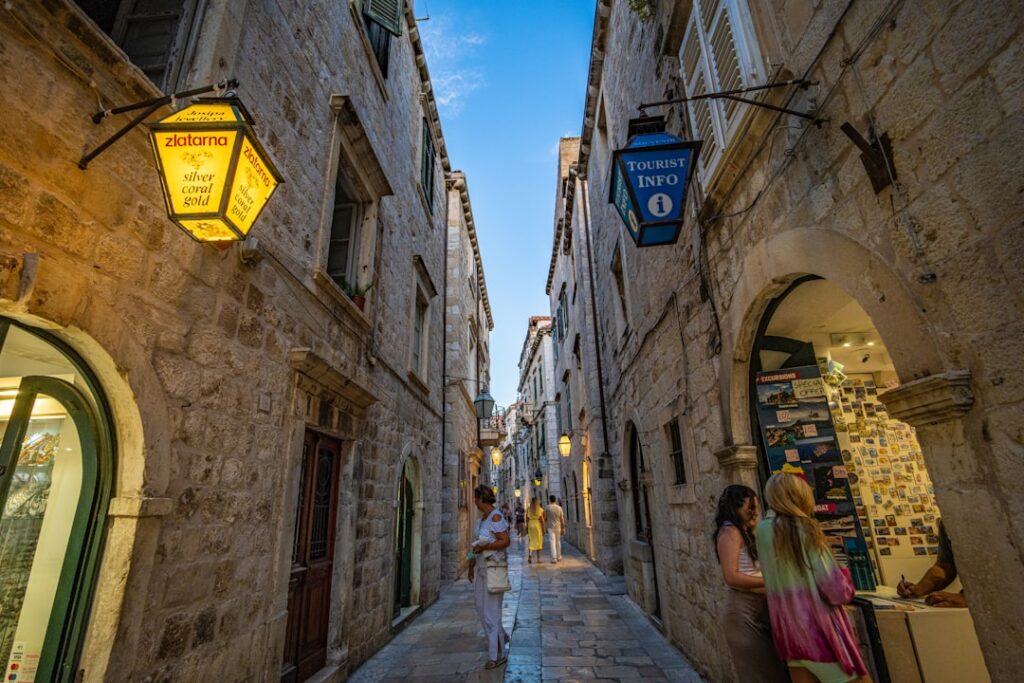
Rhodes Old Town’s medieval market is more than a shopping district: it’s a living conservatory of traditions, stories and small family economies passed down through generations. Every street, shop and workshop tells a different story—from the knights who left their architectural mark to the farmers who once shaped the olive and honey recipes you taste today. Walking Sokratous, Ippoton and the adjoining alleys, you won’t just collect objects; you’ll gather stories and sensations. A genuine silver pendant, a jar of thyme honey, a mosaic bought after a demonstration—these treasures become tangible links between your trip and local memory.
Diving into these lanes requires curiosity, patience and respect. The best purchases often start with a conversation: ask about the craftsman’s story, listen to the provenance of an olive oil, or follow a hand showing an ancient technique. The most authentic sellers will happily share their knowledge, while more commercial merchants will offer volume and convenience. Both have a place in the market experience, but for a souvenir that lasts, choose an item with a verifiable story and an invoice.
Before you go, remember a few golden rules: check hours and prices (the rates listed in this article are indicative and may vary by season and shop), ask for certificates or hallmarks for valuable pieces, pack fragile items carefully, and learn about export rules for art and antiques. And leave room for the unexpected: an aimless stroll can reveal the most moving studio, an overlooked bakery that becomes your favorite, or a conversation that leads to buying far more than a simple souvenir.
By immersing yourself in the Old Town you’ll leave with objects, yes, but above all with a deeper understanding of Rhodes—its artisans, flavors, stones and woven history. The hidden gems of the medieval market are not just for sale; they’re meant to be shared. Keep these addresses handy, note the hours, respect the artisans, and above all, let curiosity lead you. You’ll leave Rhodes with images, flavors and items that will keep evoking the clack of cobblestone alleys, the scent of thyme and the warmth of the hands that shaped these wonders.
Click here to discover the guided walk and wine tasting