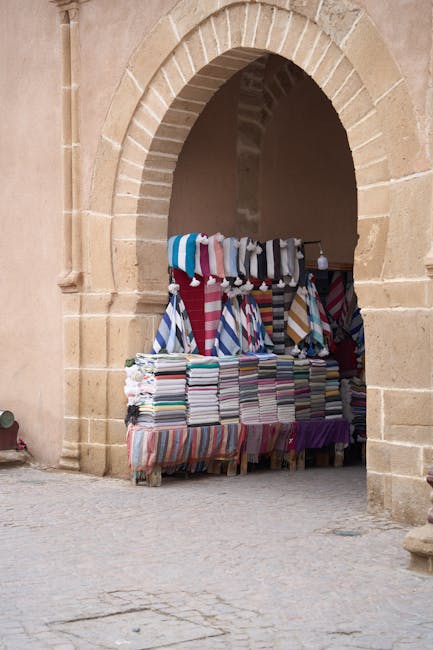






Introduction: Fabrics and Embroidery — The Textile Art of Rhodes
Rhodes, a Greek island lapped by the Aegean Sea and shaped by centuries of Byzantine, Ottoman, Italian and Greek influences, hides a rich and often overlooked textile heritage. The fabrics and embroideries of Rhodes tell the island’s social, religious and economic stories: motifs inherited from rural communities, techniques passed down through generations, and festive garments carefully guarded within families. Wandering the cobbled streets of the medieval Old Town, you’ll find shops, workshops and museums preserving these crafts — perfect opportunities to meet artisans, study geometric, floral and sea-inspired patterns, and buy one-of-a-kind pieces.
This article is a practical, professional and detailed guide for anyone who wants to understand, see or buy traditional Rhodes textiles, or to get hands-on with local embroidery techniques. You’ll find precise addresses, opening hours, indicative prices in euros, immersive descriptions of places and local tips to make the most of your visit. Whether you’re a collector, textile designer, photographer, curious traveler or simply a lover of beautiful fabrics, this guide will help you plan a cultural and sensory route across the island.
We cover museums where historic costumes and fabrics are displayed, workshops where needles are still in daily use, and shops selling tablecloths, aprons, sashes and fine embroidery. Practical visit information (full addresses, admission prices in euros, opening hours and visit tips) will help you maximize your time in Rhodes. We’ll also highlight motifs, materials and techniques — linen, cotton, silk threads, needle embroidery, counted-thread stitches, passementerie and the art of mending — elements that set Rhodes apart from other Greek islands.
Before diving into the specifics, note an important point: most traditional workshops are small and don’t always welcome visitors at fixed hours. It’s recommended to call or message ahead to confirm an artisan’s availability. For photographers and buyers, carrying some cash is often useful, as many artisans prefer cash payments for small purchases.
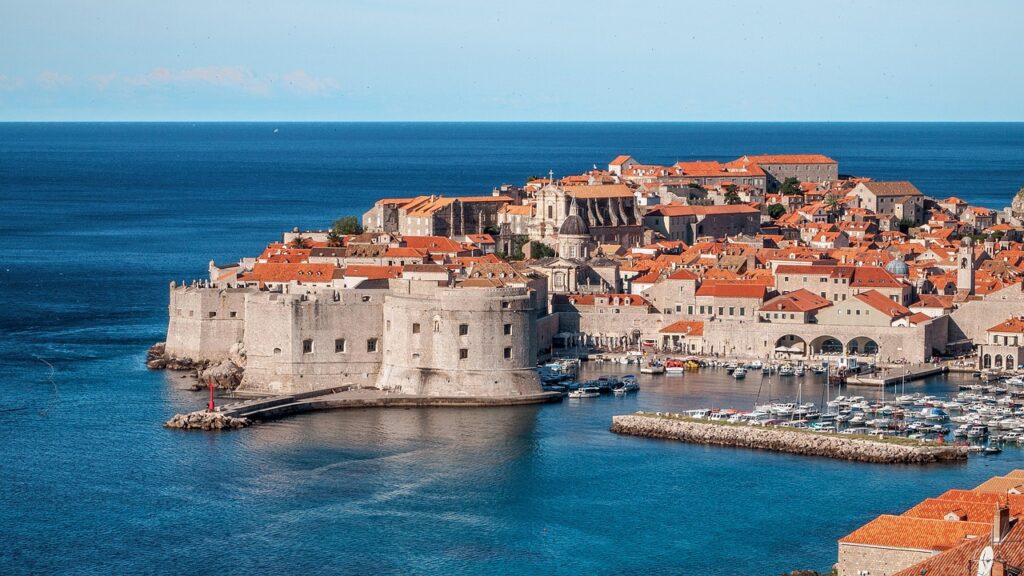
Museums and Collections: Where to See Historical Textiles
To understand the evolution of Rhodes fabrics and embroidery, start with the museums. These institutions preserve traditional costumes, ceremonial garments, embroidered table linens and workshop pieces that let you appreciate patterns, color palettes and techniques. A must-visit is the Folk Art Museum of Rhodes, located in the Old Town. Address: Municipal Folk Art Museum (Folk Art Museum) — Plateia Ippoton (Hospital of the Knights), Old Town, Rhodes 85100. Opening hours: generally open Tuesday to Sunday 10:00–17:00 (closed Monday), but check before you go. Admission: around €4–€6 for permanent exhibitions, reduced rates for students and seniors.
The Archaeological Museum of Rhodes, housed in the Hospital of the Knights, Platia Ippoton, Old Town, Rhodes 85100, sometimes displays textiles as part of temporary or themed exhibitions. Hours: 08:00–15:00 in the low season, extended in summer (consult the official site). Price: general admission often €6–€8 (varies by exhibition). These institutions present rural costumes, religious embroideries and textile fragments dating back centuries, accompanied by technical notes and reconstructions.
For a more intimate approach, the Toy and Folklore Museum, located in the Old Town on Sokratous Street, houses textile pieces from family collections among other artifacts. Address: Toy & Folklore Museum — Sokratous 50, Old Town, Rhodes 85100. Hours: 09:30–14:00 and 17:30–20:00 (season-dependent). Admission: generally €3–€5.
Practical tips: favor morning visits to avoid heat and tour groups. Take notes and, if allowed, photograph details: close-ups of stitches and motifs will help you later to recognize techniques and threads in shops. Also ask staff or guides if there are temporary exhibitions focused on textiles — these events sometimes include items loaned by local families.
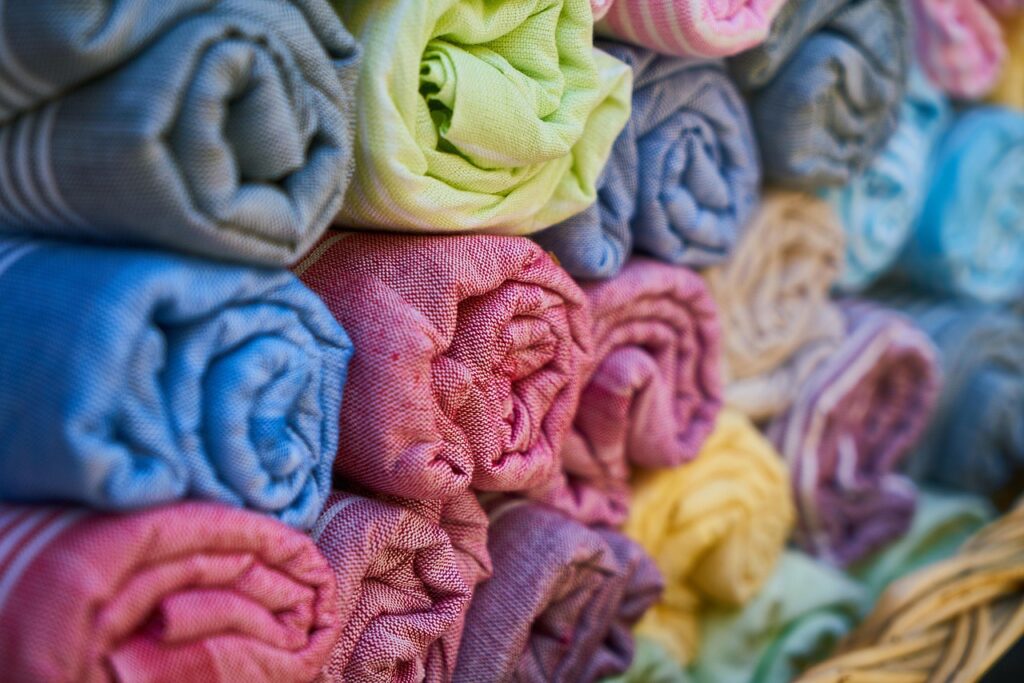
Workshops and Artisans: Learn and Observe Local Techniques
Workshops are where craft knowledge is transmitted. In Rhodes, several small shop-workshops offer demonstrations, short courses and the chance to buy direct from the maker. The Tradi-Rhodes Hand Embroidery Workshop is a good example: address: Tradi-Rhodes Hand Embroidery Workshop — Sokratous 45, Old Town, Rhodes 85100. Opening hours: typically 09:30–13:30 and 17:00–20:00, closed Wednesday. Prices: demonstrations usually free, introductory workshops (2 hours) €25 per person, half-day classes €45.
Another recommended place is Dora’s Traditional Embroidery — Odos Ippoton 12, Old Town, Rhodes 85100. Hours: 10:00–18:00 daily, with variable Sunday afternoon closing. Workshops: private sessions by appointment (from €30), repairs and costume reproductions on request (estimates on site). Here embroiderers work by hand using cotton and silk threads, practicing traditional stitches passed down since the late 19th century.
Visiting a workshop lets you understand the production steps: choosing fibers (linen, cotton, sometimes silk), preparing the fabric, sketching the design, marking (tracing), embroidering and finishing (hemming, passementerie). Watch how hands handle the needle, the regularity of the stitches and the use of color — deep blues, brick reds and gold are common in festive pieces. Artisans often explain the symbolic meanings of certain motifs (protection, fertility, the sea) and will show variations depending on the village of origin.
Local advice: always ask before photographing someone at work; a small purchase or tip is appreciated. If you want to learn, book in advance, especially in high season (May–September). Don’t expect workshops to be open all day: most close for siesta (13:30–17:00), particularly in summer.
Shops and Markets: Where to Buy Fabrics, Table Linens and Embroidery
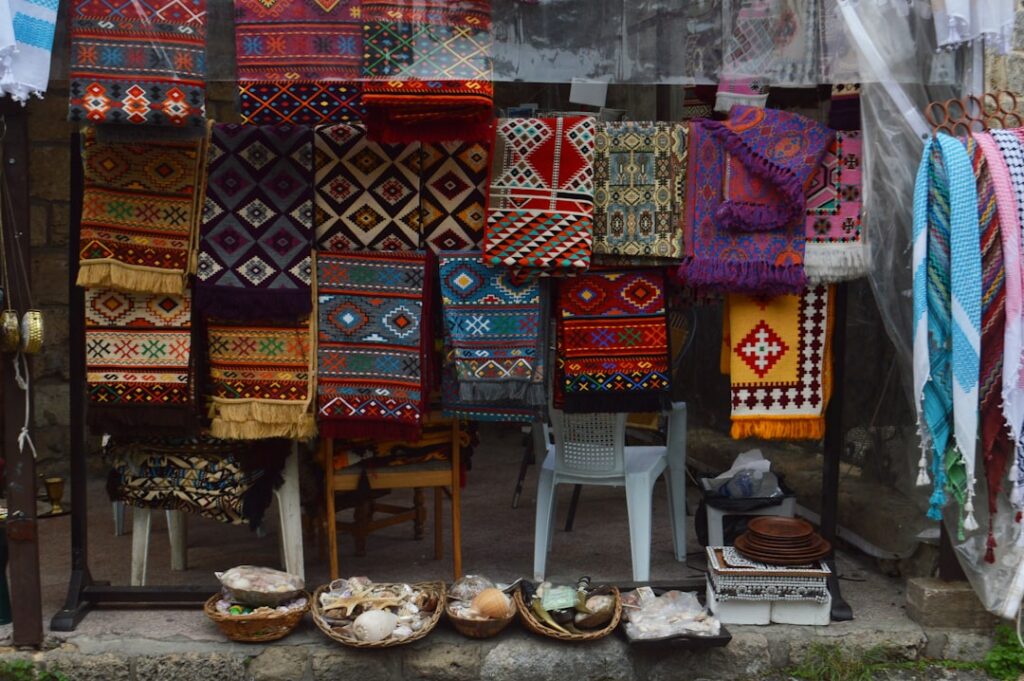
Buying a textile piece in Rhodes can be a magical moment: embroidered tablecloths, napkins, traditional sashes and small framed embroideries. Here are some go-to spots for responsible and authentic purchases.
- Souvenir Shop « Rhodes Linens & Embroidery » — Address: Sokratous 22, Old Town, Rhodes 85100. Hours: 09:30–21:00 (daily in high season). Products: linen tablecloths from €30, embroidered napkins €12–€20, traditional sashes €18–€50. Tip: you can often negotiate a discount if you buy several items.
- Market Stall at Elli Beach Market — Location: Elli Beach Promenade, Rhodes 85100. Hours: local market 09:00–14:00, some vendors present in the evenings during the season. Products: more affordable handmade pieces, samples, small embroideries from €8. Tip: shop early to pick the best colors and avoid plastic-printed imitations.
- Gallery « Island Textiles » — Address: Odos Ippoton 7, Old Town, Rhodes 85100. Hours: 10:00–19:00, closed Sunday. Products: limited editions by local designers, contemporary silk and linen pieces, prices €45–€200 depending on complexity.
When buying, always check the label or ask about composition: linen and silk cost more but offer longevity and authenticity. Beware of supposedly « traditional » mass-produced items that use mechanical prints instead of hand embroidery. Prioritize the quality of stitches and finishes (invisible hems, reversible work, quality threads).
Practical buying tips: take time to inspect the piece (undersides, corners, stitch density), ask if it’s machine washable and whether it needs special care (dry clean, hand wash). If you’re buying a traditional costume, request a certificate of authenticity or a written note from the seller about its origin. For exports outside the EU, check customs duties in advance and keep your receipts.
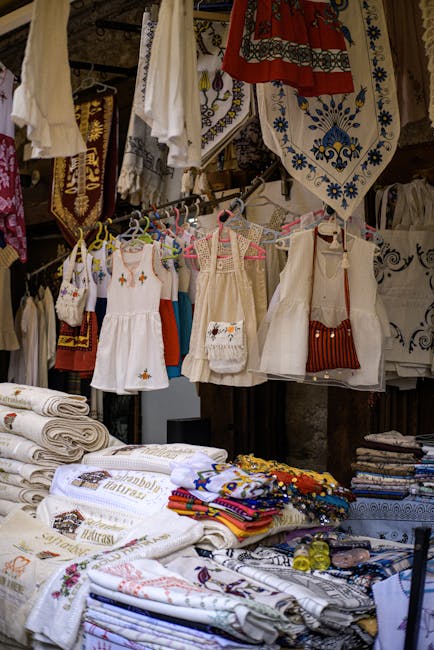
Special Markets and Textile Events
Each year, Rhodes hosts fairs and exhibitions where antique textiles and contemporary creations meet. The local tourist office (Rhodes Tourist Information — Mandraki Harbor, Rhodes 85100) publishes the calendar: some events occur in May–June (folklore festivals) and in September (craft fairs). Admission prices vary: €2–€10 depending on the event. These fairs are ideal for viewing rare pieces and meeting multiple artisans in one place.
Practical and Ethical Tips: Respecting Heritage and Artisans
Visiting textile workshops, museums and markets in Rhodes comes with responsibilities: respect the artisans, preserve heritage and favor fair purchases. Here are practical and ethical recommendations.
- Respect the craft: always ask before photographing an artisan at work. Older craftsmen and craftswomen, who often hold traditional knowledge, appreciate being asked about their stories rather than being treated like a production line.
- Buy local when possible: purchasing directly from the maker ensures direct compensation. Avoid very cheap items whose quality and origin are doubtful.
- Check materials: verify whether a product is linen, cotton, silk or synthetic. Natural materials require specific care but age beautifully.
- Bargaining and prices: in shops prices are often fixed; in markets and with artisans some negotiation is possible. Stay respectful and avoid driving prices so low that it devalues the craft.
- Packing and transport: for bulky items (tablecloths, hangings) ask for special packaging or a rigid box; for flights, fold with sheets of tissue paper to prevent permanent creases.
Local tips: learn a few phrases in Greek (thank you — efcharistó, good morning — kaliméra): artisans appreciate the effort. Note the siesta hours (13:30–17:00) and avoid unannounced visits during those times. Finally, if you plan to take home a heavy or bulky piece, check in advance whether the shop can arrange shipping — many stores offer international shipping with insurance.
Conclusion: Rediscover Rhodes Through Its Fabrics
Rhodes’s fabrics and embroideries provide a unique window into the island’s soul: they tell of village life, religious festivals, weddings and migrations. Visiting museums, workshops and markets, you don’t just buy an object — you become the keeper of a story, a gesture and a skill. This guide has given you concrete starting points — addresses, hours, indicative prices and tips — to turn your curiosity into a rich, respectful cultural experience.
For the attentive traveler, every tablecloth, sash and piece of cloth is a living document: study the stitches, feel the material and ask the artisan questions. Allow time for discovery — half a day in the Old Town to visit a museum, a shop and a workshop is an ideal pace. Consider combining visits: a morning at the Folk Art Museum, lunch near Mandraki Harbor, then an afternoon in an embroidery studio to watch and, if you like, learn.
Bringing a Rhodes textile home helps sustain a living craft. Maintaining traceability and quality, favoring direct trade and respecting local practices are simple acts that support these communities. Whether your interest is historical, aesthetic or practical, Rhodes offers a spectrum of textile experiences: take the time to listen to the elders’ stories, learn a stitch and carry a fragment of the island with you.
Safe travels and happy textile discoveries in Rhodes — may the pieces you bring home tell your own stories around a table, at a celebration or in an exhibition.