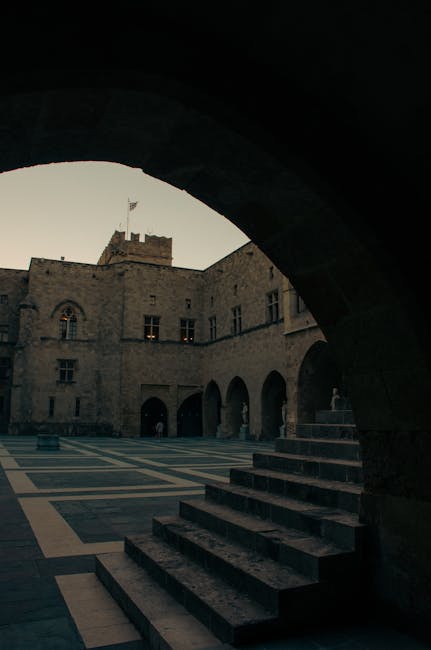






Introduction — The Secrets of the Palace of the Grand Master and Its Collections
In the heart of Rhodes’ medieval Old Town, a UNESCO World Heritage site, stands one of the Mediterranean’s most iconic fortified residences: the Palace of the Grand Master of the Knights of Rhodes. This striking monument — an intriguing mix of history, military architecture and 20th-century restoration — tells the story of the Knights Hospitaller and the many layers of influence that shaped the island: Byzantine, Gothic, Ottoman and Italian. Visiting the palace is more than admiring a monumental façade; it’s stepping into a world of vaulted chambers, decorated corridors, mosaics and preserved objects that bear witness to a rich European and Mediterranean past.
This article is a practical, full guide: it details the architecture, the collections — weapons, armour, sculptures, mosaics, inscriptions and liturgical objects — entry information, exact addresses, prices in euros, opening hours and local tips to make your visit as rewarding and comfortable as possible. You’ll also find recommendations to continue exploring around the palace: nearby museums, must-see medieval streets, cafés and viewpoints over Mandraki harbour.
The Palace of the Grand Master is more than a museum-building; it’s a symbol. It embodies the desire of rulers and military-religious orders to assert power and identity on a strategic island. The palace’s rooms were restored under Fascist Italy in the early 20th century and later adapted as a museum, giving the site a dual reading: a medieval witness and a showcase of modern restorations. Many of the collections come from the island’s archaeological work and other historic sites: Roman mosaics brought back to light, Byzantine sculptures, armaments linked to the order’s military history, along with period furniture and reconstructions.
Before diving into the rooms, objects and practical tips, it’s useful to know how to plan your visit to avoid crowds, hire a knowledgeable guide, and combine the palace with other Rhodes highlights. The palace sits in the very heart of the Medieval Town, walkable from the old harbour and connected by pedestrian routes. If you’re planning a day trip or a weekend, the details on prices, opening hours and accessibility can make the difference between a rushed visit and a fully immersive experience.
 Click here to book a private walking tour of Rhodes
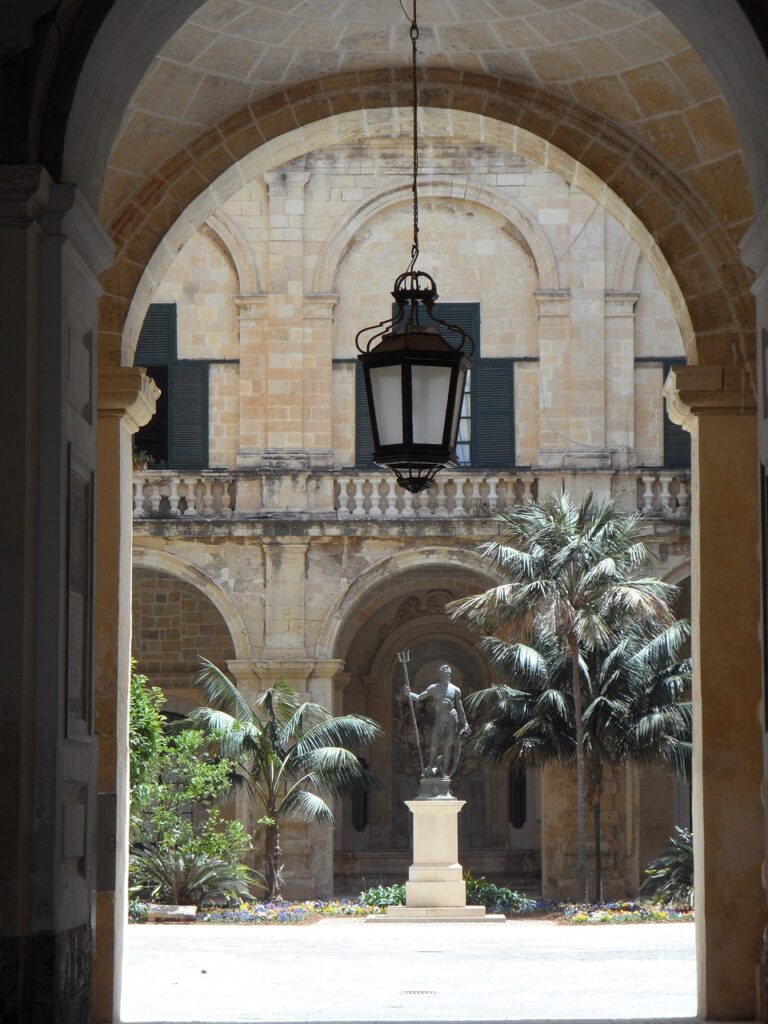
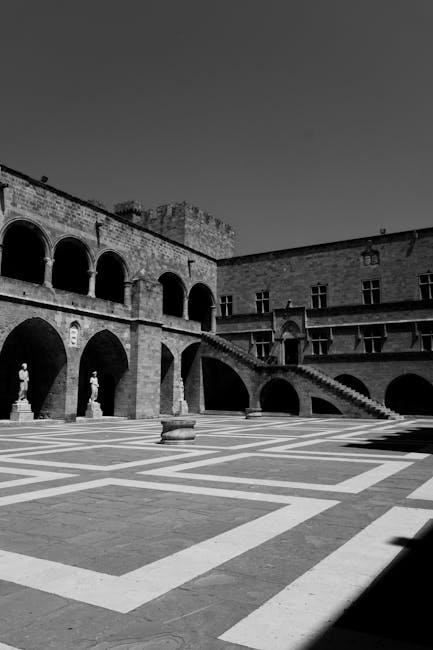
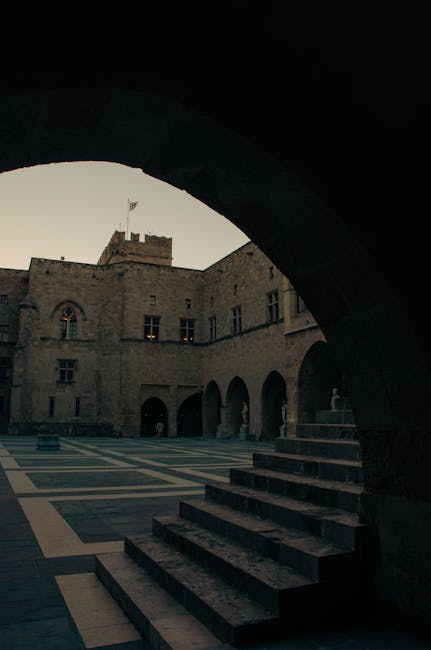
History and Architecture: Reading the Palace Like a Stone Book
The Palace of the Grand Master of the Knights of Rhodes occupies a strategic spot in the Old Town, on the north–south axis linking Mandraki Harbour with the medieval quarters. The official address associated with the monument is: Palace of the Grand Master of the Knights of Rhodes, Ippoton (Knights Street), Old Town, Rhodes 85100, Greece. What you see today is the result of a long evolution: Byzantine remains, major reworkings by the Knights of St. John in the 14th century, later destructions and 20th-century Italian restorations after serious damage from a fire in 1856 and earthquakes.
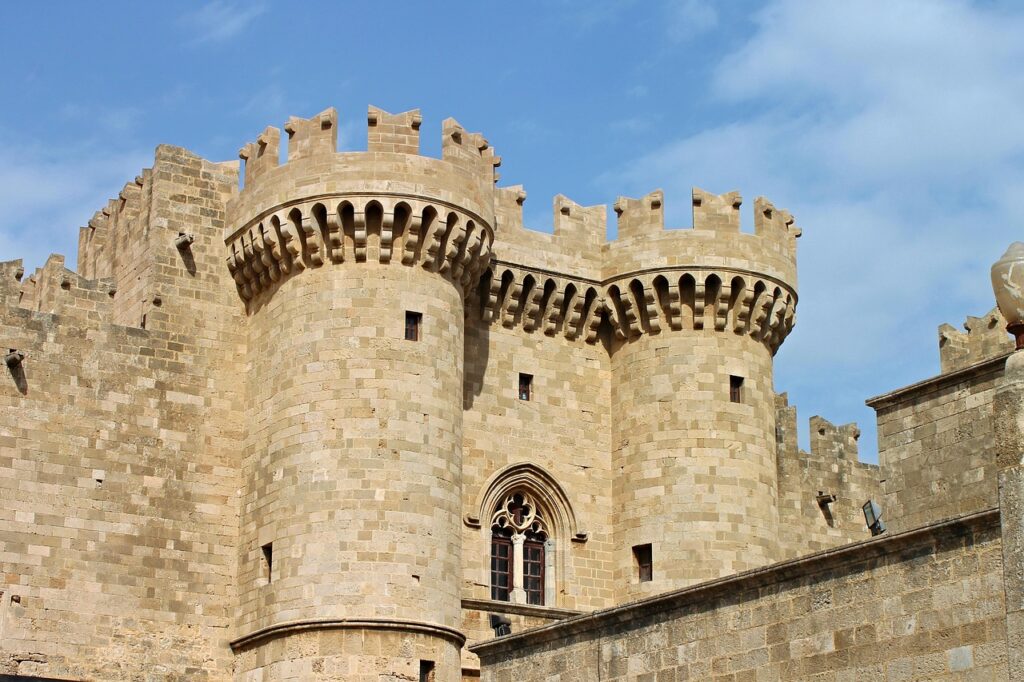
Architecturally, the palace blends Western Gothic features — pointed arches, ogival windows, massive corner towers — with more utilitarian elements left by successive island rulers. Entering through the large restored gate, visitors are immediately struck by the geometric order of the inner courtyards, the high vaulted halls and the sequence of chambers with decorated ceilings. The state rooms, once used for audiences and ceremonies, retain woodwork and decorative details that reflect the tastes of Italian restorers from the 1920s–1940s, intent on reviving the chivalric memory.
Don’t miss these architectural highlights during your visit: the Hall of the Great Master, the Inner Courtyard where processions used to take place, the so-called Governor’s Tower with its views over the town, and the vaulted passageways linking the palace wings. The use of local stones — warm limestone and tuff — gives the building a golden patina, enhanced by natural light filtering through arrow slits and small windows.
Local tips: arrive early in the morning (or late afternoon outside high season) to enjoy the rooms before the crowds. For photographing architectural details (capitals, vaults, commemorative plaques) a wide-angle lens comes in handy; interior light can be low, so use a high ISO or a compact tripod if you want crisp images. Note that parts of the palace may be undergoing occasional restoration; check for temporary closures on the official site or at Rhodes’ tourist office.
Click here to book a guided walking tour of the Old Town
The Collections: Weapons, Mosaics, Sculptures and Sacred Objects
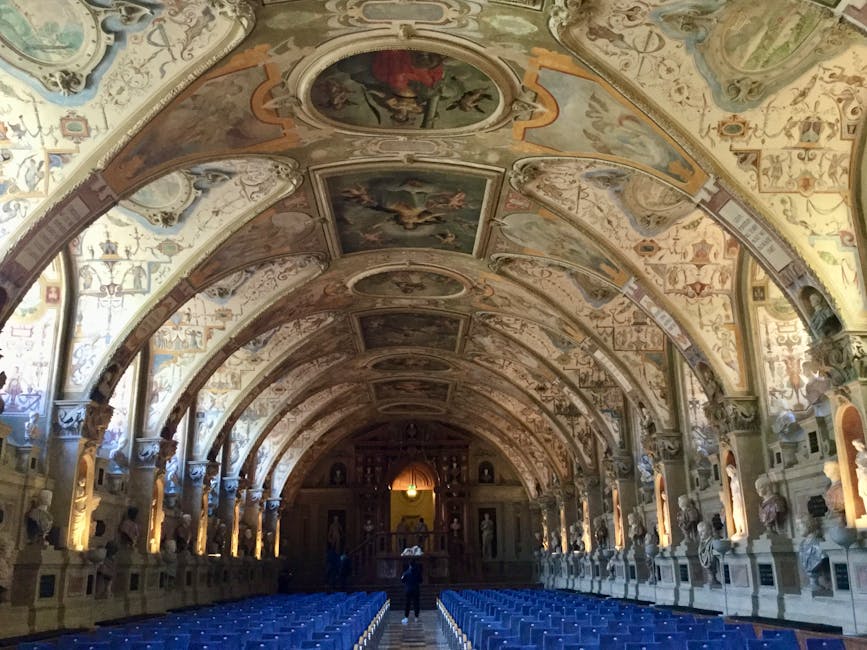
The palace museum houses a coherent collection that illustrates both the military life and the religious dimension of the knights. Rooms are arranged to showcase groups of objects: armour and weapons, Byzantine sculptures and reliefs, repurposed Roman mosaics, liturgical furniture and archaeological finds from the island. The exhibition aims to create a chronological and thematic narrative, from the Byzantine era through the period of the Order of St. John to the modern restorations.
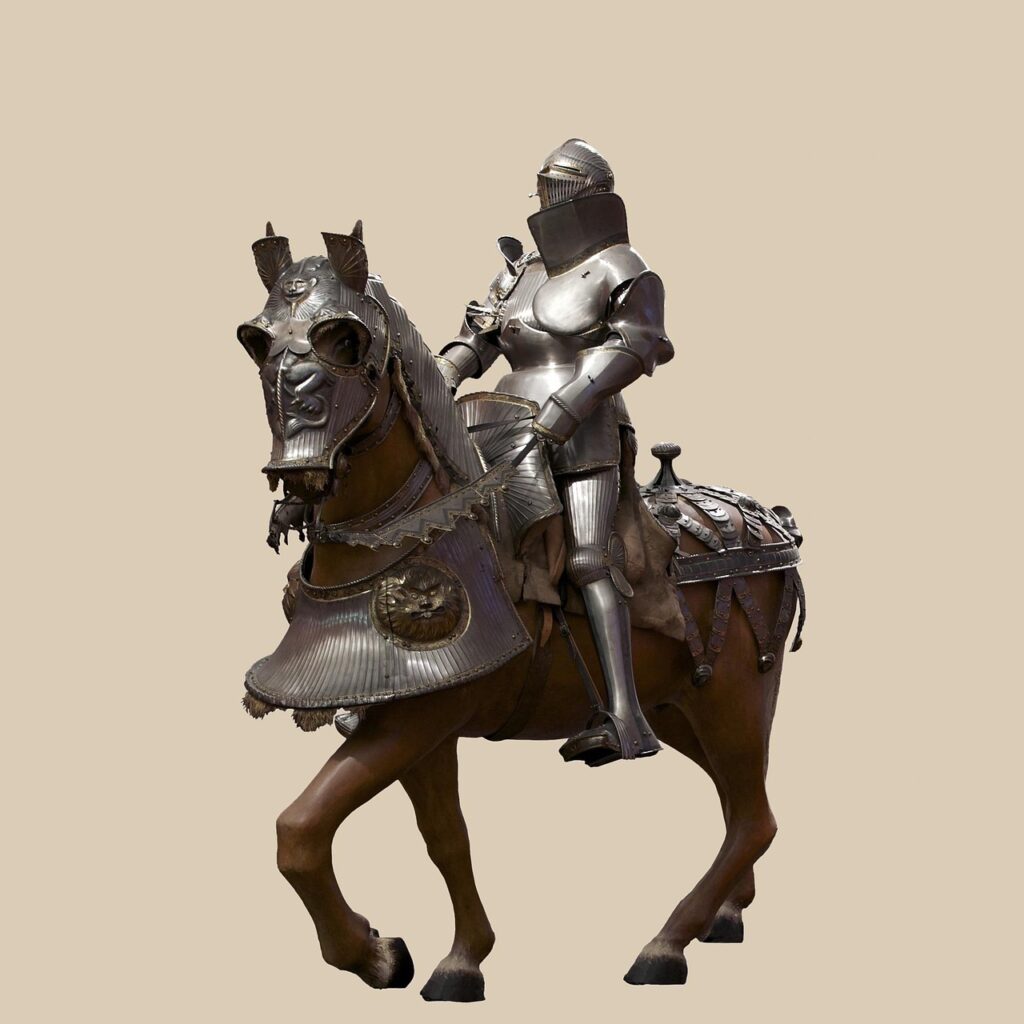
Weapons and armour: you’ll find an attractive series of parade armours, helmets, shields and bladed weapons (short swords, rapiers) as well as lighter artillery pieces from later periods. These are displayed in the Armoury Room with explanatory labels in English and Greek. Many items come from local excavations and documented acquisitions; they let visitors follow the evolution of military equipment over several centuries.
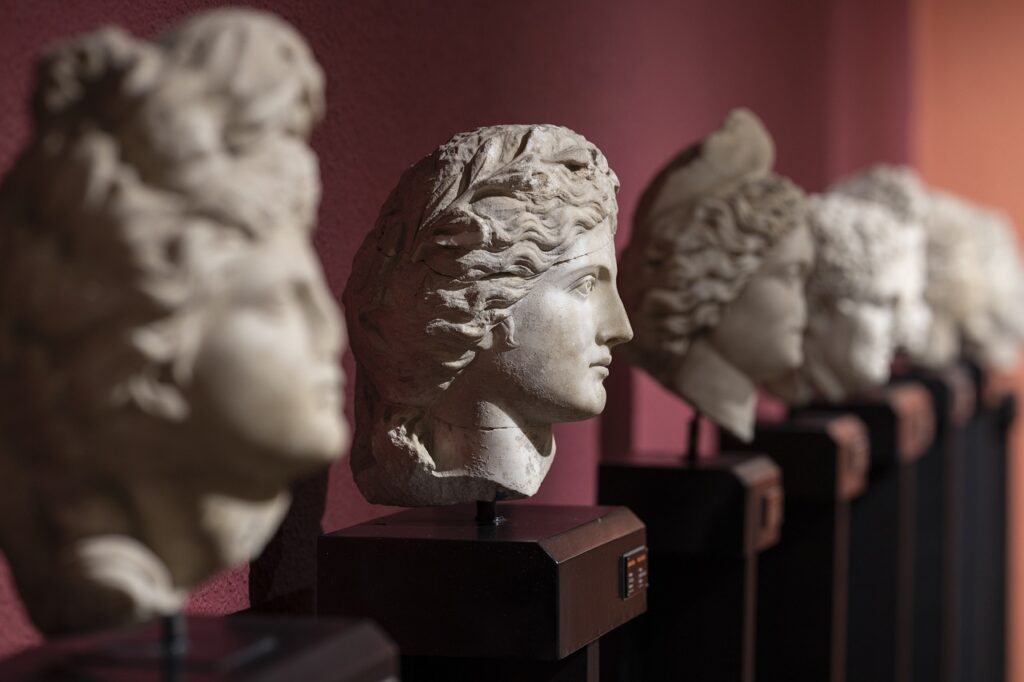
Mosaics and sculptures: some rooms present fragments of Roman and Byzantine mosaics, reassembled to evoke the decoration of villas and religious buildings in Rhodes. Stone sculptures, capitals and bas-reliefs have been repositioned to illustrate the stylistic transition between Byzantine art and Western influences. These works provide close encounters with religious iconography (saints, gospel scenes) and secular motifs (coats of arms, floral patterns).
Liturgical objects and furnishings: censers, chalices, processional crosses and reliquaries complete the visit; they testify to the centrality of ritual in the order’s life. Display cases also contain everyday items that reconstruct court life: seals, facsimile documents and costume elements. Labels explain dating, provenance and restoration methods.
Practical info about the collections: explanatory panels in English and Greek accompany most pieces, and occasional visitor booklets are available at reception (approximate price: €2–€4). Specialized guided tours focused on weaponry or iconography can be arranged on request through the museum office; expect an extra fee of around €10–€25 depending on duration and language.
Visiting: Hours, Prices, Access and Practical Tips
Planning is key to getting the most out of the Palace of the Grand Master. Below are common practical details and local tips to optimize your experience. Official visiting address: Palace of the Grand Master of the Knights of Rhodes, Ippoton (Knights Street), Old Town, Rhodes 85100, Greece. The main entrance faces Knights Street (Ippoton), easy to spot from the shopping streets and pedestrian routes leading to the harbour.
Hours (indicative, subject to seasonal changes):
- April – October: 08:00 – 20:00
- November – March: 08:00 – 15:00
- Closures: January 1, December 25, Good Friday (case-by-case)
These times may change for special events or conservation work; check the notice at the entrance or the Rhodes tourist office website before you go.
Prices (euros, indicative):
- Museum entry (adults): €6.00
- Reduced rate (students, seniors): €3.00
- Combined ticket (access to several medieval Old Town sites): €12.00
- Private guided tour (by reservation): from €30 for a small group (varies by duration)
- Visitor booklet / audio guide: €2.00–€5.00
These prices are given as a guide and may be revised by the site managers. There is often a combined ticket available that includes the Archaeological Museum in the Old Town (Hospital of the Knights/Archaeological Museum of Rhodes).
Accessibility and good practices:
- Access: the Old Town is largely pedestrianized; the palace is a 5–10 minute walk from Mandraki Harbour depending on where you start.
- Mobility access: historic buildings often present challenges; some sections of the palace are accessible to visitors with reduced mobility, but expect steps and narrow passages. Ask at reception about adapted routes.
- Photography: non-flash photography is generally allowed in most rooms, but some display cases may prohibit photos. Observe the signs and follow the rules.
- Baggage: large bags or suitcases may be refused at the entrance; bring a light, compact bag.
Local tips to make the most of your visit:
- Visit at opening time to avoid the peak of tour groups and enjoy morning light in the western rooms.
- Pick up a map of the Old Town at the tourist office (often free): it helps you combine the palace visit with the Archaeological Museum and the historic streets.
- If you want to go deeper, book a themed guided tour (weapons, architecture, restoration) at least 24–48 hours in advance, especially in high season.
- Stay hydrated and wear comfortable shoes: exploration is on cobbles and steps.
Around the Palace: Routes, Cafés, Museums and Viewpoints
A visit to the palace fits naturally into a broader route through Rhodes’ Old Town. Within a short stroll you’ll find other must-see places, complementary museums and cafés to enjoy local food. Here’s a curated list to extend your discovery.
Nearby sites and museums:
- Archaeological Museum of Rhodes (Hospital of the Knights) — Address: Hospital of the Knights, Plateia Hippoton (Knights’ Square), Old Town, Rhodes 85100, Greece. Hours: 08:00–20:00 (summer season); Indicative price: €6 (reduced €3). Housed in the former Knights’ Hospital, this museum pairs perfectly with the palace visit with its ancient and medieval collections.
- Ippoton Street (Knights Street) — Stroll along this paved lane lined with medieval inns and restored façades; it’s the backbone of the order’s historic life.
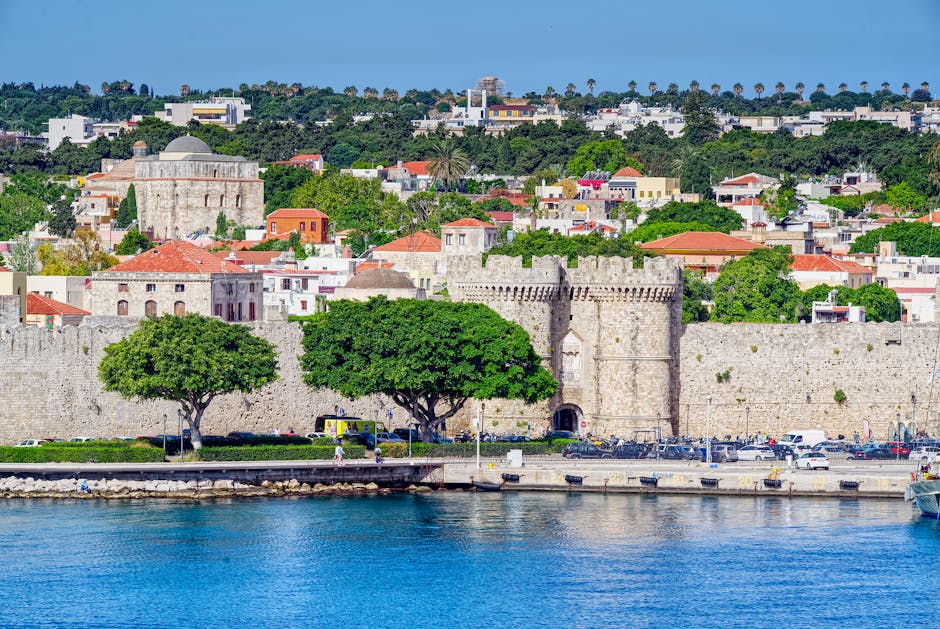
- Mandraki Harbour — Address: Mandraki Harbour, Rhodes 85100, Greece. A 5–10 minute walk from the palace; enjoy views of the windmills, the deer statues and the waterfront — an ideal spot for a sunset aperitif.
Cafés, tavernas and local specialties:
- Café Elli / Taverna Elli (example stop, confirm exact local name) — many small tavernas around the harbour and in the Old Town offer mezzes, grilled fish and Rhodes specialties like pitaroudia (chickpea fritters) and local honey. Meal budget: €10–€25 per person depending on the venue.
- For a coffee or traditional dessert, look for a pastry shop serving loukoumades (honey doughnuts) or bougatsa (filled pastry). Expect €2–€6 for a portion or a drink.
Final tips before you go out:
- If you’re a photographer, morning light illuminates the palace’s north façade while late afternoon brings warm tones to the south side — great for portraits and wide shots that include the building within the Old Town context.
- Combine the palace with a walk on the City Walls of Rhodes for panoramic views; wall access is often included in combined tickets.
- To buy authentic souvenirs: favour artisan workshops in the Old Town (ceramics, jewellery inspired by Byzantine motifs) rather than tourist shops by the harbour.
Click here to book a boat trip to Symi Island
Click here to discover the Old Town and taste local wines
Conclusion — Why the Palace of the Grand Master Is Worth Your Visit
The Palace of the Grand Master of the Knights is far more than a tourist attraction: it’s a gateway into Rhodes’ deep history, a concentration of the political, religious and artistic tensions that shaped the Mediterranean. With its monumental rooms, collections of weapons and liturgical objects, and reconstructed mosaics, the palace offers visitors a tangible, immersive narrative. Combine the palace with the Archaeological Museum (Hospital of the Knights), a stroll down Knights Street and a break at Mandraki harbour, and you’ll have a full day mixing cultural discovery, tasty food and scenic walks.
Practically speaking, the key to a successful visit is simple preparation: check seasonal hours, prefer off-peak times to avoid crowds, look for combined tickets when available, and book a themed guided tour if you want to deep-dive into a particular subject (weapons, restoration, the history of the order). The prices quoted in this guide (€6 for single entry, €12 for a combined ticket) give you a baseline; be sure to consult local sources for updates.
Lastly, give yourself time. The palace reveals itself slowly — by studying the carved details, reading the labels, soaking in the atmosphere of the courtyards and rooms, and by extending your visit into the surrounding medieval lanes. Rhodes, with its light, flavours and blend of Eastern and Western influences, rewards lingering. The Palace of the Grand Master is arguably one of the places where this historic crossroads is most visible: it invites contemplation, curiosity and a long view across the centuries.
For organized visits, contact the Rhodes tourist office or the palace welcome desk to get the latest information on temporary closures, special exhibitions and options for themed tours in French. Enjoy your trip through time — and happy discovery of the palace and its treasures!