





Introduction: A Time-Travel Experience in the Heart of Rhodes
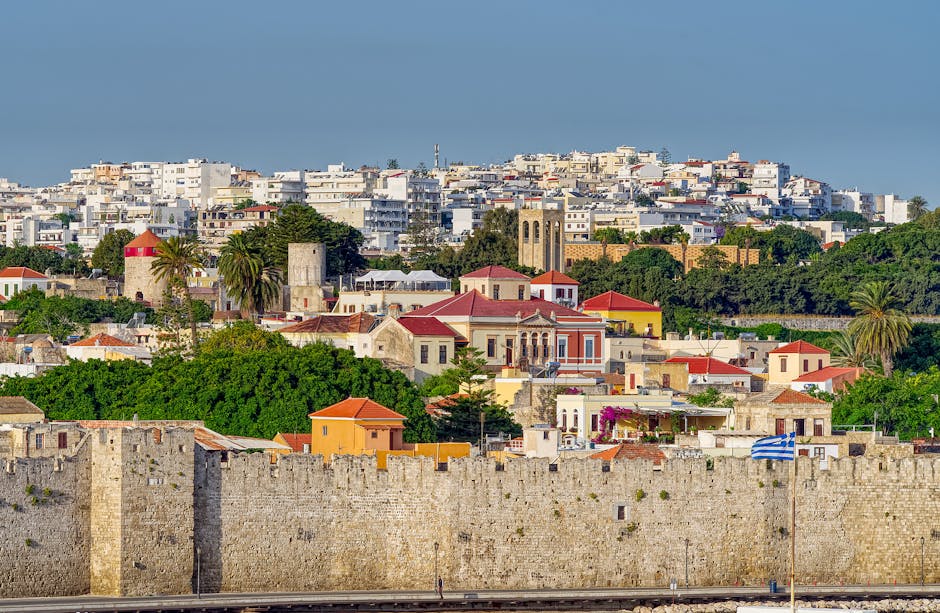
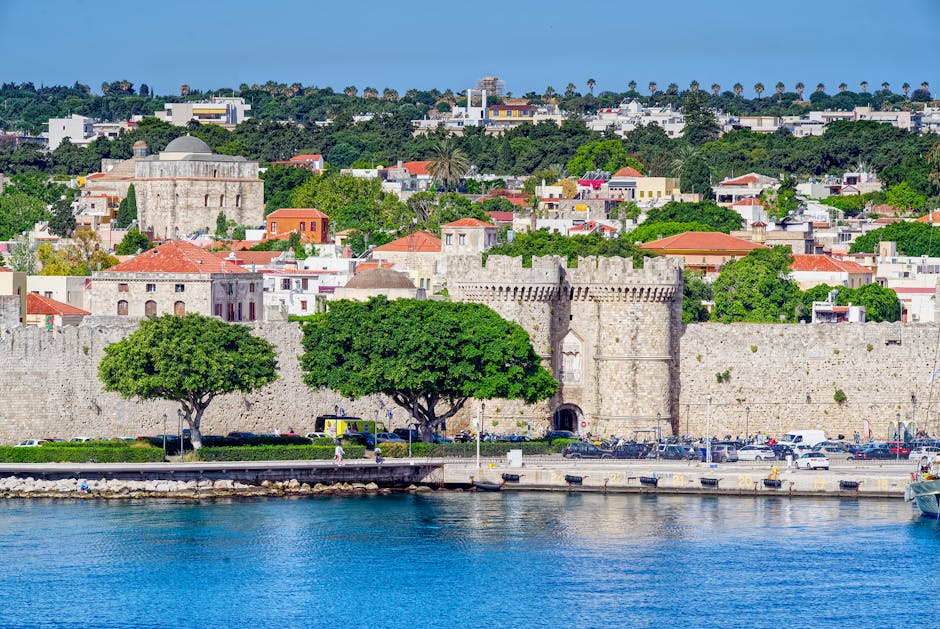
Rhodes, the easternmost island of the Dodecanese, is a place where layers of history stack up with almost cinematic clarity. From the ancient city to the medieval fortifications built by the Knights of St. John, and through Byzantine and Ottoman remnants, every cobbled street tells a story. At the center of this living nostalgia stands the Byzantine Museum of Rhodes, a place where you don’t just learn history—you feel it. The museum offers a sensory dive into sacred art, religious architecture and daily Byzantine life on the island, making it a must-visit for anyone who wants to understand Rhodes’s cultural continuity.
Walking into the museum’s rooms, you’re struck by the intimacy of the space: icons, frescoes, pectoral crosses and liturgical objects carefully preserved make palpable the devotion, artistic finesse and trade networks that linked Rhodes with Constantinople, the eastern Mediterranean and the Balkans. The Byzantine Museum does more than display artifacts: it recreates atmospheres. Dim showcase lighting, works arranged in cells that evoke chapels, and reconstructed everyday furnishings make the visit feel like an actual journey back in time.
For the curious traveler, visiting this museum also explains the island’s breaks and continuities: how a medieval Christian society coexisted with, competed with and absorbed Venetian, Ottoman and modern influences. It’s a place for reflection where you might pause in front of a 15th-century icon, study the embroidery on a chasuble, or look at a mosaic imagining the worshippers of long ago. More than a collection, the Byzantine Museum of Rhodes is a memory lab—perfect for those who love combining contemplation with learning.
This article offers a full, practical exploration: a detailed description of the highlight collections, exact address and practical info (hours, prices, visiting tips), recommended walking routes around the museum, and local tricks to extend your day in Rhodes’ Old Town. Whether you’re passionate about Byzantine art, a medieval history buff, or a traveler chasing authentic atmospheres, this guide will help you plan a memorable, well-organized visit that respects the museum’s unique place in Rhodes’s urban fabric.
 Click here to book a private walking tour of Rhodes
The Byzantine Museum of Rhodes: location, address and practical info
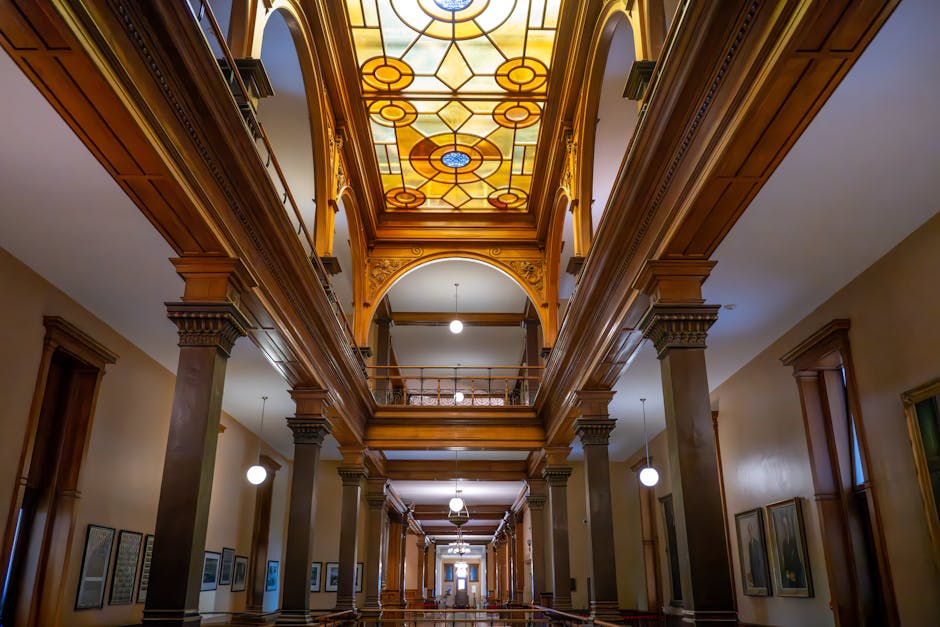
The Byzantine Museum of Rhodes is located in the medieval Old Town, a maze of streets listed as a UNESCO World Heritage site. Exact address: Byzantine Museum of Rhodes (Μουσείο Βυζαντινού και Μεταβυζαντινού Πολιτισμού Ρόδου), Hospital of the Knights, Ippokratous 2, Rhodes Old Town, 85100 Rhodes, Greece. The building housing the museum is a historic structure in its own right: a former dependency and religious space adapted for museum use, it retains architectural elements that extend the visiting experience.
Opening hours (seasonal, check before your visit): generally open daily except on certain national holidays; in high season (April – October): 08:30 – 19:30; in low season (November – March): 09:00 – 16:00. It’s best to arrive early in the morning to enjoy a calmer atmosphere and lighting that helps you appreciate details. Note that times may vary around Orthodox Easter and other religious holidays.
Entrance fees (indicative): full adult ticket ≈ €6.00; reduced fare (EU students, seniors) ≈ €3.00; free entry for children under 6 and sometimes free for EU citizens under 25 (carry ID or passport). Combined tickets are often available for other Old Town museums, like the Palace of the Grand Master of the Knights of Rhodes or the Archaeological Museum of Rhodes, which can save you money if you plan to visit several sites.
Access and transport: the Old Town of Rhodes is pedestrianised; the museum is a 10–15 minute walk from Mandraki Harbour. If you’re staying in the modern town, local bus lines serve the Old Town’s main entrance (stop « Old Town / Gate »). For drivers, it’s recommended to park outside the medieval walls (paid parking near the Gate of St. John or Eleftherias Gate) and continue on foot. Taxis are available too, but vehicle access inside the ramparts is restricted.
Important practical tip: allow at least 1½ to 2 hours for a full visit, longer if you want to read labels in detail and use the English information panels. Audioguides are sometimes available in English and Greek; check if guided tours in French are offered by the local tourist office or independent guides.
Click here to taste wines in the medieval town
Highlights and an immersive tour of the galleries
The museum route is arranged both chronologically and thematically: you move from Byzantine liturgical objects to post-Byzantine icons, then to ecclesiastical textiles and ornaments from the medieval and modern periods. Among the standout pieces, several demand that you stop and take a moment.
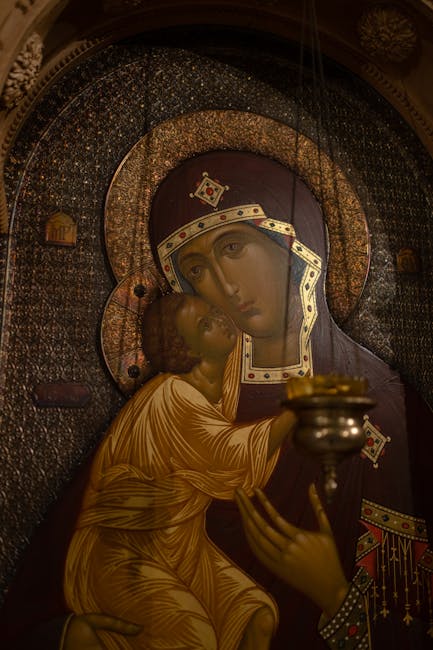
– Major icons: several panel icons on wood dating from the 15th–18th centuries are on display. You’ll find depictions of the Virgin Hodegetria, Christ Pantocrator, and local saints. Gilding, pigments and layering techniques read like technical manuals showing the evolution of Byzantine religious painting. Iconographic definitions and rich color palettes reveal Balkan, Slavic and Mediterranean influences.
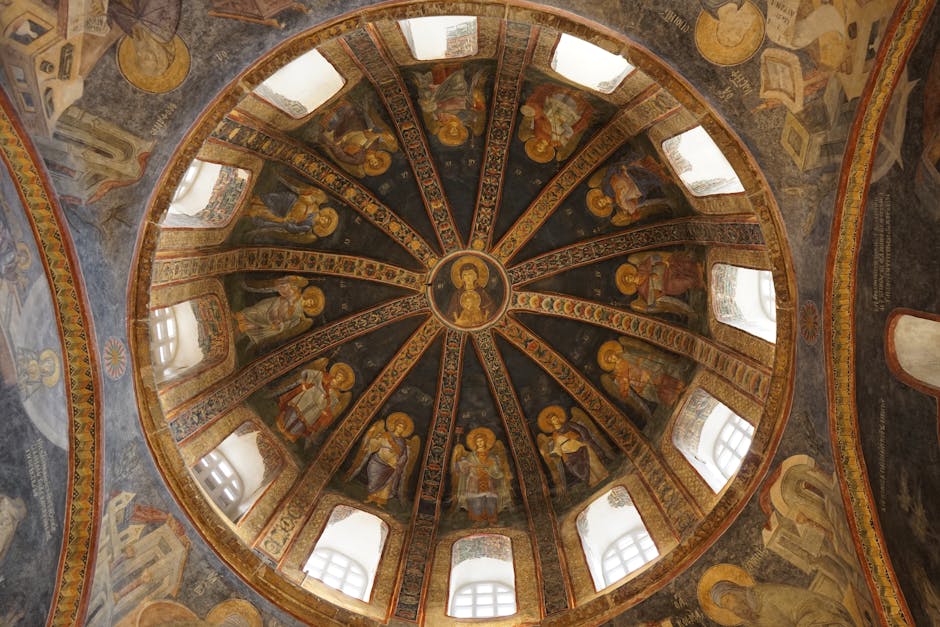
– Frescoes and wall fragments: the museum preserves fresco fragments from Byzantine and post-Byzantine churches on Rhodes and nearby islands. These pieces give a clear sense of the pictorial cycles that once decorated parish churches: Gospel scenes, martyr saints and geometric motifs framing the compositions. Controlled lighting allows you to study paint layers, the artist’s corrections and subsequent restorations.
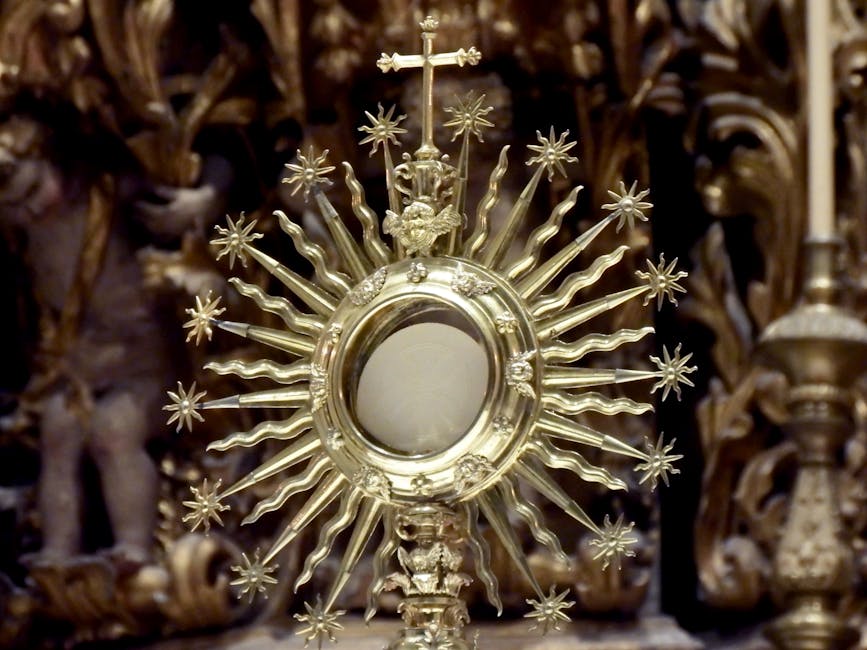
– Liturgical objects and metalwork: pectoral crosses, bronze or silver censers, engraved plates and reliquaries are displayed in cases explaining their use in daily liturgy. A chased silver reliquary dating to the 14th–15th centuries from a local monastery is among the most admired pieces. Labels detail manufacturing techniques and artisanal traditions.
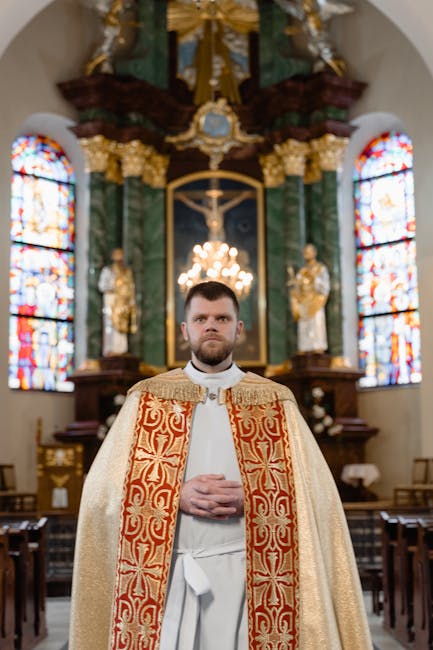
– Textiles and embroidery: chasubles, embroidered fabrics and altar cloths, often decorated with gold thread and vegetal motifs, reveal the extreme sophistication of ecclesiastical dress. These pieces also illustrate trade links: Eastern silks, costly dyes and imported patterns testify to the sea routes that connected Rhodes to the wider Mediterranean basin.
The entire route is designed to be educational: each room offers panels in Greek and English, along with photographic reproductions that place objects in their original contexts (church, monastery or home). Details are refined—you can almost feel the embroiderer’s hand or imagine the iconographer’s studio. Photographers should note that non-flash photography often requires permission; check with staff.
Click here to join a seaside mosaic workshop
Around the museum: a recommended walking route and other must-see sites
The Byzantine Museum of Rhodes is ideally placed to continue your visit with a walking circuit through the Old Town. Here’s a rewarding route to follow after leaving the museum, with addresses and practical tips to make the most of your day.
1. Palace of the Grand Master of the Knights of Rhodes (Palace of the Grand Master of the Knights of Rhodes)
Address: Palace of the Grand Master, Rhodes Old Town, 85100 Rhodes. About a 5-minute walk from the museum, this 14th-century fortified palace—restored and turned into a museum—dominates the main square. Hours: typically 08:00 – 20:00 in summer, 08:30 – 15:00 in winter. Tickets: full ≈ €8.00, reduced ≈ €4.00. The palace displays medieval collections, tapestries and armor; its inner courtyard and towers offer photogenic views over the Old Town and the sea.
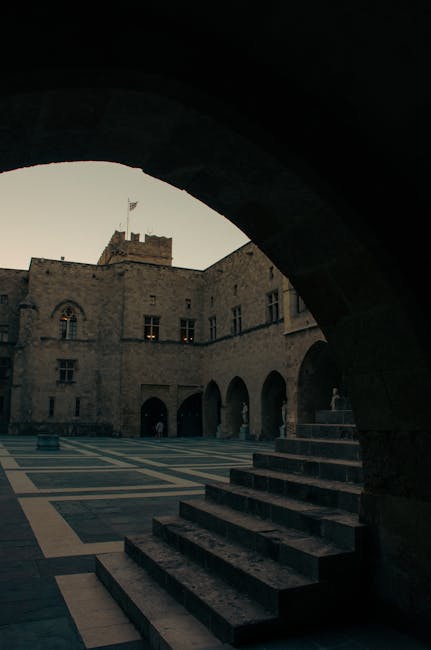
2. Street of the Knights (Street of the Knights)
The Street of the Knights (Ippoton Street) is one of the best-preserved thoroughfares in the medieval city. Lined with former inns bearing the names of the knights’ ‘langues’, it’s a must-see. Indicative address: Ippoton (Street of the Knights), Rhodes Old Town. Stroll slowly to read coats of arms, admire carved doors and soak in the historic atmosphere. Don’t miss the large gateway of the Commandery.
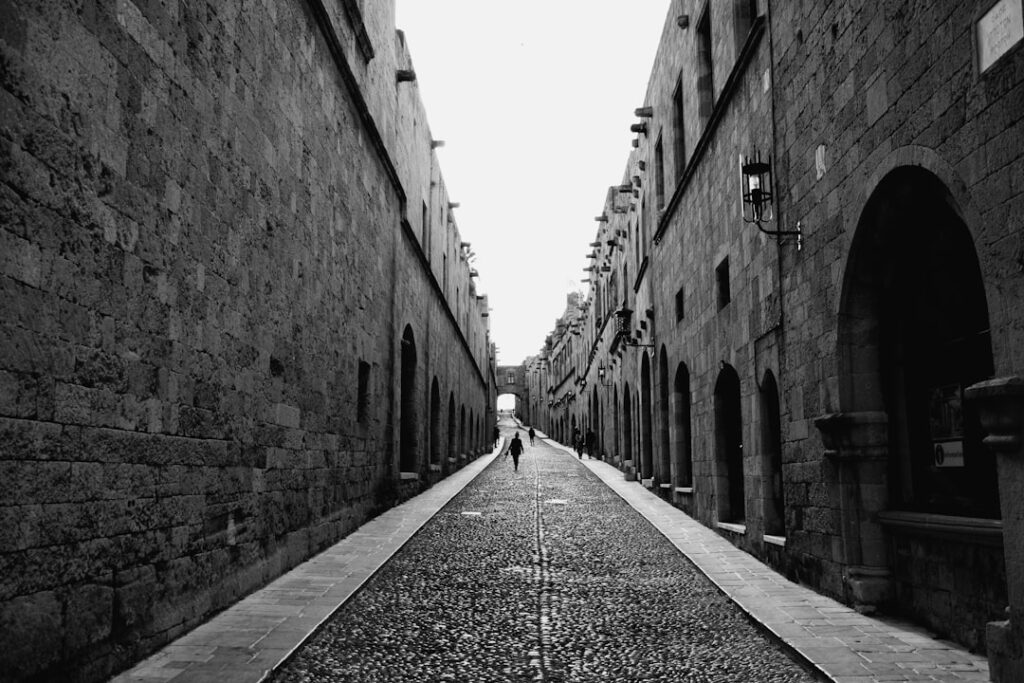
3. Mandraki Harbour and the windmills
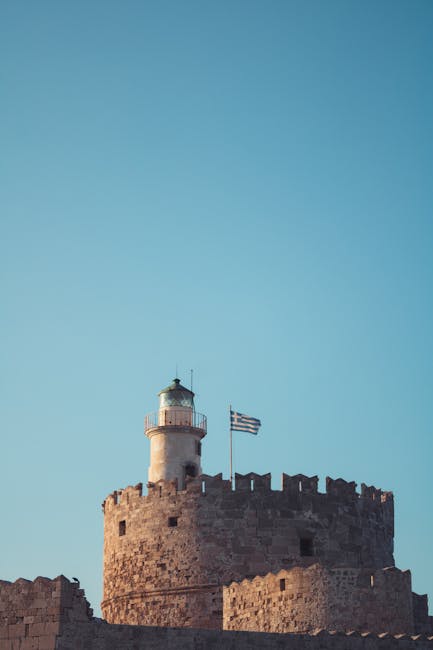
Address: Mandraki Harbour, Rhodes 85100. A 10–15 minute walk away: the historic port where tradition says the Colossus of Rhodes once stood. Today three windmills overlook the harbor entrance and make for a picturesque view of yachts and fishing boats. It’s an ideal spot at sunset for photos. There are many cafés and tavernas along the quay where you can try local specialties like grilled kalamari.
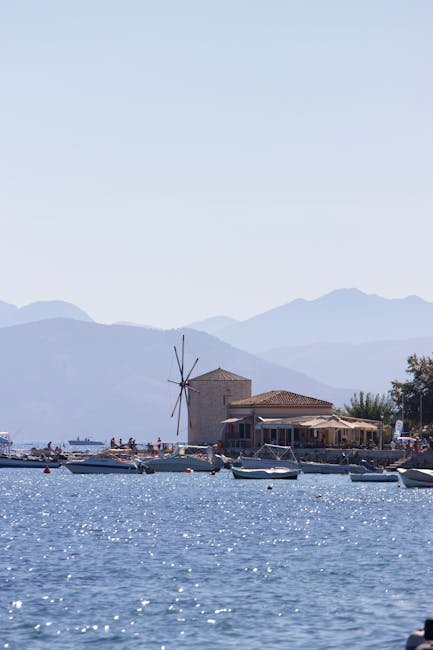
4. Archaeological Museum of Rhodes (Archaeological Museum of Rhodes)
Address: Archaeological Museum, Knight’s Hospital, Rhodes Old Town, 85100 Rhodes. Housed in the Knights’ Hospital, this museum provides another historical perspective—from classical antiquity to the Hellenistic period. Hours are often similar to the Palace, and combined tickets are sometimes available. Visit to complete your understanding of Rhodes’s long story, especially the collections of sculpture, pottery and inscriptions.
Click here to book a guided walking tour of the Old Town
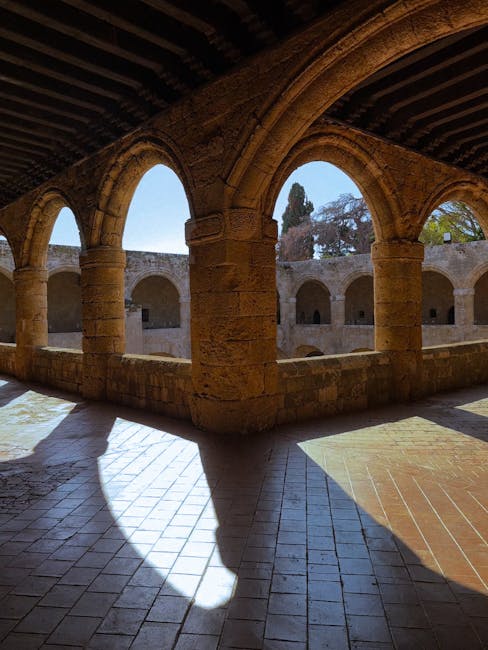
Practical tips for the route: schedule a lunch break at a tavern in the Old Town (check kitchen hours—most serve from 12:00 to 15:00 and reopen at 19:00). Bring water—cobblestones and sun can be tiring. If you want deeper insight, book a themed guided tour (Byzantine, medieval or archaeological) to link the different sites together.
Local practical tips and recommendations for a successful visit
Visiting the Byzantine Museum of Rhodes blends intellectual discovery with a sensory experience. Here are concrete tips to make the most of your day, avoid inconveniences and respect the site.
- Best time to visit: April–May and September–October offer pleasant temperatures, smaller crowds and soft light that’s ideal for observing fresco and icon colors.
- Times to favour: early morning (opening) or late afternoon to avoid tour groups and enjoy a more contemplative atmosphere. Between 11:00 and 15:00 the Old Town is often busiest.
- Combined tickets: ask the ticket desk about combined tickets covering the Byzantine Museum + Palace of the Grand Master + Archaeological Museum; it’s often cost-effective if you plan to visit multiple sites.
- Dress and behaviour: the museum houses sacred objects; avoid touching items and teach children to respect the exhibits. Some rooms may be religious in character—maintain a calm and respectful demeanour.
- Photography: flash is often prohibited. If you want non-flash photos, ask for permission—fees may apply for professional use.
- Accessibility: the Old Town has uneven paving and steps; access can be limited for people with reduced mobility. Check in advance for special facilities.
- Food and drink: the Old Town is full of tavernas and cafés. For an authentic experience try moussaka, local meze and grilled seafood. Average price for a full meal ≈ €15–€30 per person depending on the place.
- Souvenirs and artisans: look for icon workshops and local craft shops to bring home reproductions or items inspired by Byzantine motifs—support workshops that use traditional techniques.
- Maps and info: pick up an Old Town map at the tourist office or download a walking app to easily locate the museum and nearby points of interest.
Finally, if your trip coincides with religious events (Orthodox feasts, processions), the museum may host temporary exhibitions or lectures. Check Rhodes municipality’s cultural calendar to catch special events.
Conclusion: why the Byzantine Museum of Rhodes is an essential stop
The Byzantine Museum of Rhodes is more than a collection of old objects; it’s a doorway into centuries of religious and artistic life that shaped the island’s identity. Walking its rooms helps you understand how Rhodes served as a crossroads between East and West, preserving traditions and reinventing them over the ages. Intense-eyed icons, sparkling embroideries, fresco fragments and reliquaries tell stories of belief as much as of trade, artisan workshops and local patrons.
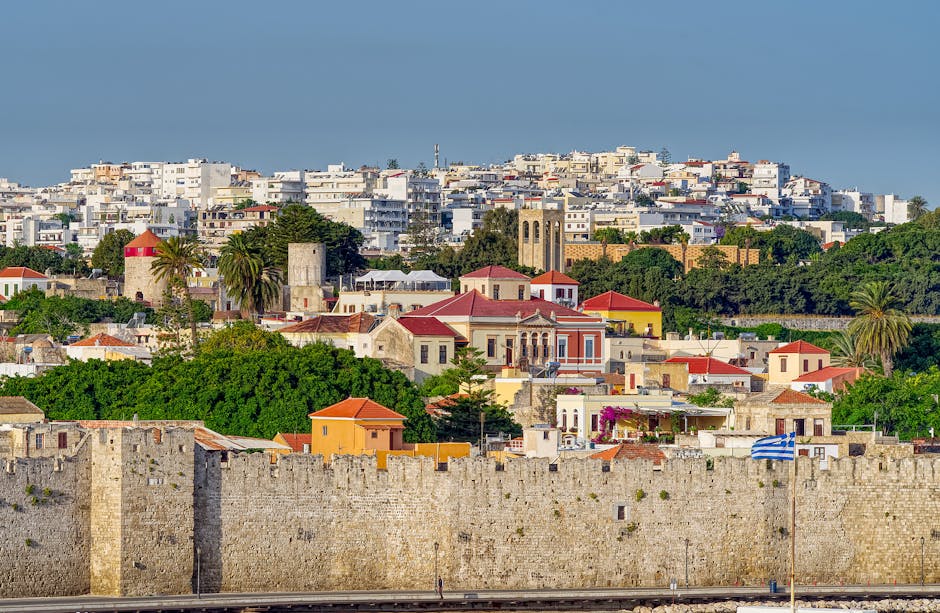
Visiting the museum also puts you in dialogue with the place: the Old Town’s ramparts, palaces and narrow streets complete the context of the collections. The museum’s immediate proximity to the Palace of the Grand Master, the Street of the Knights and Mandraki Harbour makes it an ideal starting point for a day of discovery. The practical details provided here (exact address, indicative hours, prices in euros, visiting tips) will help you organize your route with confidence.
For the attentive traveler, the Byzantine Museum offers an experience that goes beyond merely passing by display cases: it’s a space where time stretches, where you can trace the continuity of artistic and liturgical gestures and appreciate the richness of an island that has weathered the ages. Whether you’re a history enthusiast, a lover of sacred art, a photographer seeking intimate angles, or simply a curious traveler, this museum deserves a top spot on your Rhodes itinerary. Allow time, show respect, and let the atmosphere soak in: the time-travel begins the moment you step through the door.